

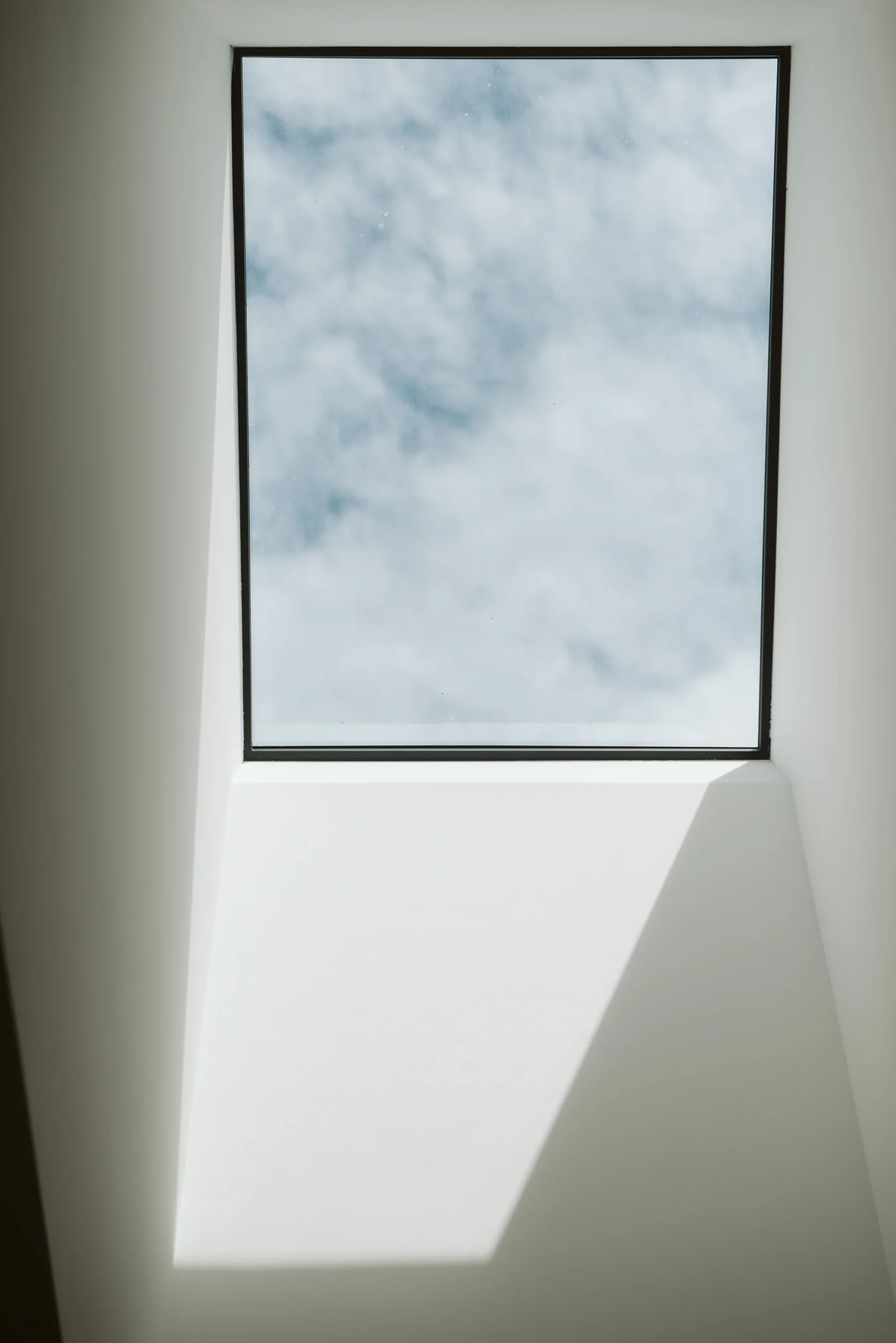
You're probably in the same position as a lot of Brisbane homeowners. One room is too dark, the ceiling feels flat, and you know a skylight would fix it. But you're also thinking about summer heat, storm season, humidity, and whether you're creating a maintenance problem you'll regret later.
This is the key question with fixed vs. opening skylights for Brisbane homes. Do you just need more daylight, or do you need that skylight to help move heat and moisture out of the room as well? The answer affects comfort, installation cost, upkeep, and how well the space performs in a subtropical climate.
A skylight isn't a cosmetic extra. Skylights can deliver up to 30% more natural light than vertical windows, which can reduce electricity use, and one Australian 2025 guide estimates a professionally installed skylight can add A$3,000 to A$8,000 to a home's value when well chosen and professionally installed, according to this Australian skylight value guide. If you're also planning larger roof or attic changes, Templeton Built's Velux conversions comprehensive guide is a useful reference for understanding how roof glazing fits into broader renovation work.
If you're comparing products available locally, it helps to start with a Brisbane-specific range rather than generic overseas advice. You can see local options and design examples on Brisbane skylights.

Table of Contents
Choosing a Skylight for Your Brisbane Home
Brisbane homes don't need more sunlight by default. They need better-controlled daylight. That's why the fixed versus opening decision matters more here than it does in milder climates.
A lot of homeowners start with the wrong question. They ask which skylight is better. The better question is which skylight suits the room. A sealed skylight and an operable skylight do different jobs, and mixing those jobs up is where people overspend or end up with a room that still doesn't feel right.
What most Brisbane buyers are actually deciding
For most homes, this comes down to two priorities:
| Priority | What usually suits it |
|---|---|
| Bring natural light into a room that already ventilates well | Fixed skylight |
| Bring in light and also remove trapped heat or moisture | Opening skylight |
| Keep ownership simple with fewer parts to maintain | Fixed skylight |
| Improve airflow in a humid or stuffy room | Opening skylight |
That sounds simple because it is. The confusion starts when people assume an opening unit is automatically the premium choice. It isn’t. It’s the more complex choice, and complexity only makes sense when the room benefits from ventilation.
Practical rule: Buy for the room’s problem, not for the feature list.
Why Brisbane makes this choice less forgiving
In Brisbane, a skylight has to cope with bright sun, heavy rain, humidity, and sudden weather changes. That means the wrong skylight won’t just be a mild annoyance. It can affect comfort every day.
If your hallway, stairwell, or living area is gloomy, a fixed skylight often solves the problem cleanly. If your bathroom, kitchen, or upstairs retreat traps steam and heat, an opening model usually earns its keep.
The Core Decision Light vs Light and Air
Brisbane installers use a straightforward rule: “Choose fixed when the room only needs daylight. Choose operable when the room also needs to release heat or moisture”, as explained in this Brisbane guide on fixed and operable skylight choices.
That rule is the clearest starting point because it matches how these products are used in Queensland homes. Fixed units are light-only products. Opening units are light-plus-ventilation products.
Fixed skylights do one job well
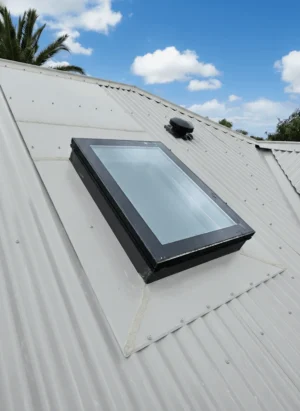
A fixed skylight is a sealed unit. No moving parts. No opening mechanism. No motor. No hinge line to maintain.
That makes it the straightforward option for spaces like:
Hallways: You want daylight, not roof-level ventilation.
Living rooms with decent cross-flow: The room already breathes well through doors or windows.
Study areas: Consistent natural light matters more than extra airflow.
If that’s your brief, adding an opening function is often unnecessary. You’re paying for hardware and future servicing you may never benefit from.
Opening skylights solve a different problem
An opening skylight gives you daylight and active ventilation. That matters in rooms where stale air rises and gets trapped under the ceiling.
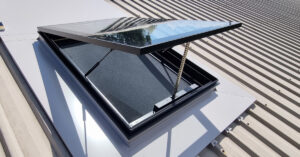
Typical Brisbane use cases include:
Bathrooms: Steam and moisture need an exit path.
Kitchens: Heat and cooking moisture build fast.
Bedrooms and upper-storey rooms: Hot air collects high and lingers.
High-ceiling living rooms: Venting roof-level heat can make the space feel less stuffy.
If you’re weighing those options, browsing operable skylight configurations helps you see how manual, electric, and solar-powered opening systems differ in practice.
Opening skylights aren’t better because they open. They’re better only when opening the skylight changes the room’s comfort in a useful way.
The old mistake Brisbane homeowners still make
People often install an opening skylight in a room that only needed more light. Then they pay more upfront and inherit more maintenance for no real gain.
The reverse mistake happens too. A homeowner installs a fixed skylight in a bathroom or upstairs lounge, then wonders why the room is brighter but still damp or stuffy. The skylight did its job. They just chose the wrong job.
Fixed vs Opening Skylights A Detailed Comparison
If you want the short version, it’s this: fixed skylights usually win on simplicity, insulation, and maintenance. Opening skylights win on airflow, humidity control, and heat purge.
That’s the trade-off Brisbane buyers need to assess.
Side by side comparison
| Decision factor | Fixed skylight | Opening skylight |
|---|---|---|
| Primary function | Daylight | Daylight plus ventilation |
| Upfront cost | Usually lower | Usually higher |
| Insulation and envelope tightness | Usually stronger because it’s sealed | Weaker than fixed by design because it has moving parts and opening seals |
| Maintenance | Lower | Higher due to hinges, seals, and in some models motors or sensors |
| Best room types | Hallways, living rooms, studies | Bathrooms, kitchens, upper-storey rooms, heat-trap spaces |
| Storm and weather simplicity | Fewer parts exposed to wear | More components that need periodic checking |
| Installation complexity | More straightforward | More involved, especially for powered models |
The main technical trade-off is ventilation versus envelope tightness. Opening skylights are useful in hot, humid climates because they let heat and moisture escape. Fixed skylights, as sealed units with no moving parts, generally offer better insulation and fewer potential leak points over time, according to this Australian guide on choosing the best skylight for your home renovation.
What this means in real ownership terms
A fixed skylight is usually the lower-risk ownership choice. Once installed correctly with compliant flashing and good glazing, it tends to ask less of you over the years.
An opening skylight demands a bit more from both the product and the owner. Hinges, seals, controls, and weather exposure all matter more. That doesn’t make it a bad choice. It means it needs to be justified by the room.
If you want to compare the broader categories available in the market, types of skylights is a practical starting point.
Where product range matters
Some homeowners want a fixed rectangle skylight with double glazing and nothing else. Others want an operable model, often electric or solar powered, because the skylight is installed high and manual access isn’t realistic. Vivid Skylights offers both fixed double-glazed skylights and operable units in electric and solar-powered formats, along with nationwide delivery in Australia.
If you’re still deciding visually, looking at installed roof work can help more than reading another feature list. Paletz Roofing and Inspections has a small Paletz Roofing work gallery that’s useful for seeing how roof details affect the finished result.

Bottom line: If ventilation changes the room, buy an opening skylight. If it doesn’t, buy a fixed one and keep the system simple.
Climate and Energy Performance in Brisbane
Brisbane is where skylight specification stops being cosmetic and becomes technical. If the glazing and frame aren’t right for heat control, the skylight can make the room brighter and less comfortable at the same time.
That’s why two metrics matter more than brand hype. U-factor tells you about insulation. SHGC, or Solar Heat Gain Coefficient, tells you how much solar heat passes through the glazing.
What the metrics actually mean
For Brisbane homes, lower heat gain matters. You want daylight without turning the room into a heat trap.
Australian skylight guidance says the key performance metrics are U-factor for insulation and SHGC for solar heat gain, and that in Brisbane the ideal specification is typically a double-glazed unit with a low SHGC, with an opening mechanism added only where ventilation is essential for heat purge and humidity control, according to this guide on skylight performance and roof window specifications.
Fixed often wins on thermal efficiency per dollar
Many generic comparisons fall short when they treat opening skylights as the upgrade. In Brisbane, that’s not always true.
A high-performance fixed skylight can be the smarter thermal choice when the room’s real problem is solar heat gain, not stale air. Because the unit stays sealed, it usually performs better on envelope tightness. Pair that with insulated glazing and a low SHGC, and you’ve got a cleaner answer for many living spaces.
For climate-specific selection details, energy-efficient skylights for Queensland climate is worth reviewing.
When opening still makes sense
An opening skylight earns its place when roof-level ventilation removes heat or moisture that would otherwise linger. Kitchens, bathrooms, and high-ceiling rooms are the clearest examples.
Electric models with rain sensors also make more sense in Brisbane than they do in milder regions because sudden storms are part of normal life here. If the skylight is high overhead, automatic closure is practical, not fancy.
Choose low SHGC glazing if the room already runs hot during the day.
Choose double glazing if you want stronger insulation and more stable comfort.
Choose an opening mechanism only when ventilation solves a real room problem.
Choose compliant flashing and insulated framing because rain exposure and thermal performance are linked in real installations.
A skylight should improve comfort across the whole day, not just look good for an hour in the morning.
Best Use Cases for Brisbane Homes
The fixed versus opening debate gets easy. Stop thinking in product categories and start thinking room by room.
The right skylight for a dark hallway is often the wrong skylight for a steamy bathroom. The right skylight for a high-raked living room may be overkill in a single-storey study.
Where fixed skylights make more sense
Fixed skylights are the practical choice when the room needs daylight and little else.
A few strong examples:
Dark hallways and corridors: These spaces rarely need added roof ventilation. They need brightness, visual openness, and a lower-maintenance solution.
Stairwells: If the goal is to pull daylight into the centre of the home, fixed usually does the job cleanly.
Home offices and studios: Stable light matters. Extra hardware often doesn’t.
Single-level living areas with decent windows already in place: If airflow is already adequate, don’t complicate the roof opening.
In these rooms, a fixed skylight usually gives you the cleaner ownership experience. Fewer parts. Fewer things to inspect. Less concern during storm season.
Where opening skylights are worth the extra spend
Opening skylights make sense when the room traps heat high up or holds moisture.
The obvious rooms are:
Bathrooms where steam needs to leave quickly.
Kitchens where heat and moisture build during cooking.
Upper-storey bedrooms where warm air lingers late into the evening.
There’s another room type Brisbane homeowners often overlook: high-ceiling living rooms. In a tall open-plan space, hot air collects above head height and stays there. An opening skylight can help vent that trapped heat, especially when lower windows or doors create a path for air movement through the room.
If hot air is pooling under the ceiling, an opening skylight can do more for comfort than another wall window ever will.
The maintenance issue most articles gloss over
This is the part buyers should take seriously. Fixed skylights have minimal maintenance needs. Ventilated models need periodic checks of motors, hinges, and seals, and those components can be more vulnerable to leakage over time in Brisbane’s storm-heavy and sometimes coastal environment, according to this Brisbane-focused discussion of heat, light, energy efficiency, and skylight reliability.
That doesn’t mean you should avoid opening skylights. It means you should install them where the ventilation benefit is obvious enough to justify the extra upkeep.
A practical room by room view
| Room | Better choice | Why |
|---|---|---|
| Hallway | Fixed | Pure daylight, low maintenance |
| Bathroom | Opening | Moisture release matters |
| Kitchen | Opening | Heat and cooking vapour need venting |
| High-ceiling living room | Opening | Helps purge trapped hot air at roof level |
| Study | Fixed | Light is the main need |
| Upstairs retreat | Opening or fixed depending on heat source | Choose opening if trapped air is the issue, fixed if solar gain is the bigger issue |
Coastal and storm-exposed homes need a tougher filter
If your home is in a high-exposure Brisbane suburb, especially closer to the coast, think harder about maintenance access. A powered opening skylight on a roof that’s awkward to reach is more demanding over time than a fixed unit in the same position.
That’s not a reason to retreat to the cheapest option. It’s a reason to match the skylight type to your willingness to maintain it properly.
Our Recommendation Making the Right Choice
Here’s the direct answer.
Choose a fixed skylight for living rooms, hallways, studies, and any room where your only real problem is lack of daylight. It’s usually the smarter buy in Brisbane because it keeps the roof opening simpler, tighter, and easier to own.
Choose an opening skylight for bathrooms, kitchens, upper-storey rooms, and high-ceiling spaces where heat or moisture build up. In those rooms, ventilation isn’t a bonus feature. It’s the reason to buy that product.
The decision filter I’d use in your house
Ask these three questions:
Is the room dark, or is it dark and stuffy?
If it’s only dark, fixed usually wins.Does hot air collect near the ceiling?
If yes, opening becomes more compelling.Do you want the lowest-maintenance option?
If yes, fixed is the default unless moisture control forces a different answer.
Don’t confuse ventilation with heat management
This is the key Brisbane nuance many people miss. A room can be uncomfortable because it traps hot air. It can also be uncomfortable because the room takes on too much solar heat through the roof and glazing.
A Brisbane-focused guide makes this point clearly: sometimes a high-performance fixed skylight with advanced double glazing and a low SHGC is the better answer for all-day comfort in rooms already struggling with cooling loads from solar heat gain, as discussed in this article on Brisbane skylight brands and types.
That means you shouldn’t automatically choose operable for every hot room. If the room’s main issue is heat entering the space, not stale air sitting in it, a well-specified fixed skylight can be the more rational choice.
There’s also a third option for tricky spaces
Some homes can’t take a traditional roof-penetrating skylight where you want light. That’s where an alternative approach makes sense.
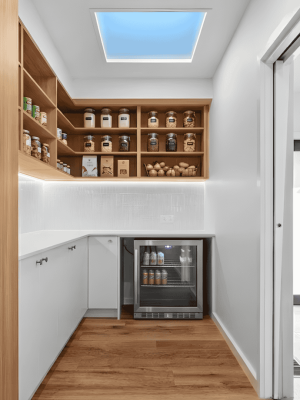
If you’re dealing with a ground-floor room, an apartment, or a space where roof access and structure make a standard skylight impractical, an LED skylight-style product can be the cleaner solution. AuraGlow LED skylights are designed for that situation, giving the visual effect of a skylight with light that shifts in colour through the day to mimic the changing sky.
For a broader selection framework, choosing the right skylight is a useful next read.
Buy the simplest skylight that fully solves the room’s problem. Anything more is wasted money. Anything less is a compromise you’ll notice every day.
If you want help choosing between fixed, electric opening, solar-powered opening, or AuraGlow LED options, contact Vivid Skylights. They supply double-glazed skylights nationwide across Australia, so you can compare the right format for your room before you commit.