

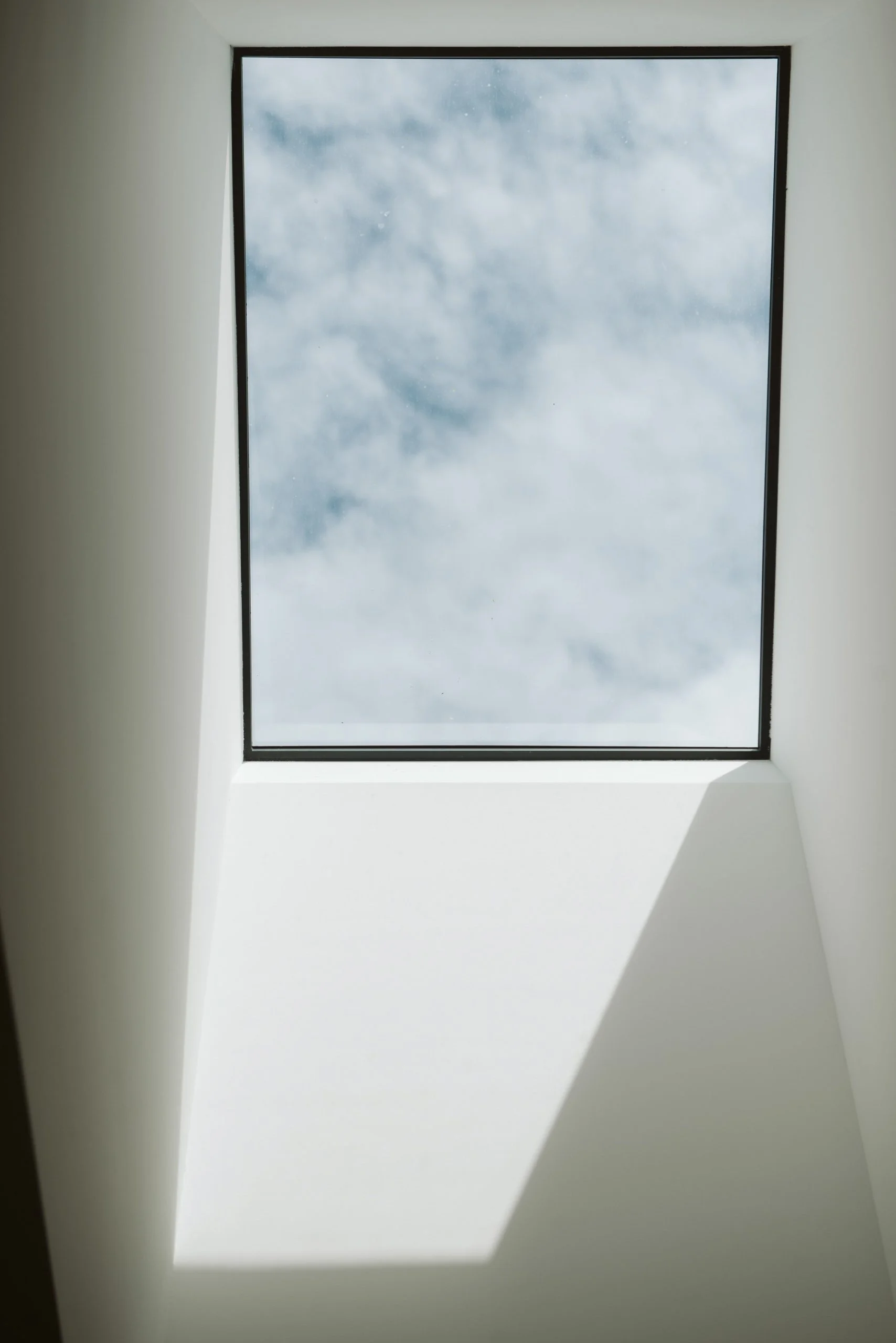
Some homes look finished on paper but still feel dim in real life. The kitchen bench is always under a shadow. The hallway needs the switch on by lunchtime. The bathroom works, but it never feels fresh. That’s usually not a decorating problem. It’s a daylight problem.
When natural light lands properly in a room, the whole house changes. Colours read better. Ceilings feel higher. A narrow passage stops feeling like dead space. In renovations, this is one of the clearest upgrades because you don’t just see it. You feel it in how the room works from morning to late afternoon.
For Australian homeowners, the benefits of natural light in home design go well beyond appearance. Better daylight can reduce reliance on artificial lighting, support comfort and wellbeing, and make key rooms more appealing when it’s time to sell. Modern skylight options have also made this far more practical than it used to be, whether you’re opening up a kitchen, brightening a stair void, ventilating a bathroom, or solving a windowless room in another way.
Table of Contents
From Gloomy Corners to Glowing Spaces
A dark room changes how often you use it. I see this a lot in homes where the layout is good, the finishes are good, but one part of the house still feels flat because daylight never reaches the middle. The usual culprits are kitchens under deep rooflines, hallways between living zones, and bathrooms that rely on a fan and a light all day.
Then one opening is added overhead and the room starts behaving differently. Benchtops become usable without harsh downlights. White walls stop looking dull. Timber, stone, tile, and paint all show their true tone because daylight has depth that artificial light can’t fake.

A good light-filled room also supports everything else you put into it. Indoor greenery is a simple example. If you’re styling a brighter space after a renovation, this guide to good indoor plants for home is useful because the right plant choice depends on how light moves through the room, not just how it looks in one photo.
A room with better daylight usually feels cleaner, bigger, and calmer before you change a single piece of furniture.
Homeowners often assume natural light means bigger windows only. That’s not always true. In many Australian homes, the fastest way to brighten the centre of the floor plan is from above. If you want practical ideas for where daylight can be introduced, this guide on how to increase natural light in house covers common problem areas well.
How Natural Light Enhances Your Wellbeing
A bright home doesn’t just look better. It tends to feel easier to live in. That’s one of the most overlooked benefits of natural light in home upgrades. People usually start by wanting a nicer room, then realise the bigger difference is how they feel during the day.
Why daylight changes how you feel at home
Natural light exposure in Australian homes has been linked with circadian rhythm regulation and productivity gains of 15 to 18%, while students achieved 12.5% higher test scores under optimal daylighting in the verified source material behind this topic, with the same source also noting illuminance targets of 500 to 1000 lux for task areas and broader wellbeing benefits through biophilic design principles in homes.
That lines up with what homeowners commonly report after improving daylight in living spaces. They feel more energetic. They stay focused longer. Rooms used for reading, working, cooking, or study stop feeling draining by mid-afternoon.
There’s also a simple reason overhead daylight often feels better than relying on ceiling lights. Sunlight changes through the day. It has movement, variation, and a more natural spread. Artificial lighting can make a room bright enough, but it often doesn’t make the room feel alive.
Morning routines improve: Bedrooms, ensuites, and kitchens with good daylight tend to support a steadier start to the day.
Task spaces feel less fatiguing: Cooking, reading, studying, and desk work become easier when the light is broader and more even.
Mood shifts are noticeable: People often describe the house as less closed-in, especially in winter or during long stretches indoors.
Why skylights matter in southern climates
Winter is where daylight quality really matters. Verified data notes a 30% spike in searches for “do skylights help SAD in Australia?” during winter, and a 2024 University of Melbourne study found homes with roof glazing reported 22% higher productivity and 18% lower depression scores in winter. That matters in Melbourne, where winter averages 5.5 sun hours per day from June to August according to the same verified dataset and linked reference context (designing your home for maximum natural lighting).
If you’ve lived through a Melbourne winter in a darker home, that doesn’t need much explanation. The house can feel heavy even when it’s tidy and warm. Good overhead daylight helps cut through that flatness in a way wall windows often can’t, especially in the centre of the floor plan.

For a closer look at how daylight affects sleep, mood, and daily energy, this article on the health benefits of installing a skylight is worth reading.
What works better than simply making a room brighter
More light isn’t automatically better light. The rooms that work best are the ones with controlled daylight, not glare. That means even spread, useful timing, and the ability to manage heat and privacy when needed.
Practical rule: Aim for daylight that makes the room usable without forcing you to squint, close the blinds all day, or retreat to another space.
Good design usually includes a few basics:
Even placement: One well-positioned overhead opening often works better than multiple badly placed ones.
Appropriate glazing: Double glazing helps with comfort and reduces the harshness people worry about.
Ventilation where needed: In kitchens and bathrooms, light and airflow often belong together.
Control options: Blinds or operable units matter in rooms with changing seasonal exposure.
That’s the difference between a room that looks bright in a brochure and one that still feels comfortable in real life.
The Financial Case for Natural Light
Some home upgrades are mostly emotional. Natural light isn’t one of them. The visual impact is obvious, but the financial argument is strong too.
Savings show up in everyday use
Verified Australian data states that installing double-glazed skylights can cut daytime lighting energy use by up to 80%, with real-world annual savings of AUD $575 for Vivid Skylights customers. The same source notes that strategic daylighting is recognised in the National Construction Code for improving energy efficiency ratings (natural light in homes and energy savings).
That matters because the savings come from a habit almost every household has. You walk into a dark part of the house and turn the light on, even in the middle of the day. If overhead daylight removes that daily pattern across a kitchen, hallway, living area, or bathroom, the benefit keeps repeating without effort.
Natural light also tends to be more useful than people expect because it reaches deeper into a room. One roof opening can often replace the need for several switched-on fittings during the day.
Buyers pay attention to bright kitchens
Light sells homes because buyers react to it immediately. They may not know the glazing specification or roof orientation, but they know how a room feels. In practical resale terms, the verified data above also attributes a 5 to 10% boost in home value to strategic daylighting in the Australian market.
Kitchens deserve special attention here. Adding skylights over kitchens is one of the clearest ways to improve perceived value because that’s where buyers linger. It’s the room where they judge liveability, finish quality, and whether the home feels current.
If you’re weighing this alongside other upgrade decisions, this guide on how to boost your home renovation return on investment is a useful broader read.
Brightness isn’t a cosmetic extra in a sale campaign. It shapes the first impression of space, cleanliness, and quality.
For homeowners specifically looking at resale impact, this article on do skylights increase home value covers the property angle in more detail.
Choosing Your Ideal Skylight with Vivid Skylights
The right skylight depends less on style and more on room function. A hallway needs something different from a bathroom. A kitchen often needs both light and ventilation. A ground-floor internal room may need a different approach again if traditional roof access isn’t practical.
Fixed skylights for pure daylight
A fixed double-glazed skylight suits rooms that mainly need more natural light and don’t require extra airflow through the roof opening. Living rooms, hallways, stairwells, and kitchens with good existing ventilation are common examples.
This is the straightforward option. No opening mechanism. No need to think about when to vent. Just a clean source of overhead light. In homes with a dark central zone, fixed units often deliver the sharpest transformation because they focus purely on bringing daylight into the space.
They’re especially effective where wall windows are blocked by fences, neighbouring homes, or deep eaves.
Operable skylights when light and airflow both matter
Bathrooms, laundries, and many kitchens benefit from an opening unit because light alone doesn’t solve moisture, steam, odours, or trapped heat. In these rooms, operable skylights do two jobs at once.
Electric opening units suit homeowners who want simple push-button control. Solar-powered opening units are useful where wiring access is less convenient or where you want the convenience of a powered system with less installation disruption. In practice, the best choice often comes down to roof access, ceiling layout, and how often you expect to use the opening function.
A useful detail with this category is weather response. Rain-sensing operation takes a lot of stress out of daily use, particularly for busy households.
Here’s a product walkthrough for readers who want to see rooflight options in context:
AuraGlow LED skylights for spaces without roof access
Some rooms can’t take a traditional skylight at all. Apartments, lower floors, and internal rooms below another storey are the obvious examples. That doesn’t mean the space has to stay dull.
AuraGlow LED skylights are made for that situation. Instead of bringing in actual roof daylight, they create a skylight-like effect from within the room and change colour through the day to mimic the changing sky. That gives the space a much more natural visual rhythm than a standard flat artificial fitting.
This kind of solution works well when the goal is ambience and perceived openness rather than literal roof glazing. It won’t replace a true opening skylight in a steamy bathroom, but it can make a boxed-in room feel far less enclosed.
If a traditional skylight isn’t possible, the next best outcome is a ceiling light that behaves visually more like the sky than a normal fitting.
Vivid Skylights product comparison
The main categories are easier to compare side by side:
| Skylight Type | Best For | Ventilation? | Key Feature | Power Source |
|---|---|---|---|---|
| Fixed double glazed skylight | Hallways, living rooms, stairwells, kitchens with existing ventilation | No | Pure overhead daylight | None |
| Electric operable skylight | Kitchens, bathrooms, laundries | Yes | Open and close control for light plus airflow | Electric |
| Solar operable skylight | Rooms needing ventilation where wiring access is less convenient | Yes | Powered opening with rain-sensing convenience | Solar |
| AuraGlow LED skylight | Spaces where traditional skylights can’t be installed | No | Skylight-style light effect with changing colour through the day | Electric |
For homeowners comparing rooflight styles and formats more broadly, this guide to the top types of skylights for your home is a useful starting point.
Only one brand note is needed here. Vivid Skylights supplies fixed double glazed skylights, electric and solar powered operable units, and AuraGlow LED skylights, with nationwide delivery across Australia. That range makes it easier to match the product to the room instead of forcing one format into every part of the house.
Strategic Skylight Placement for Maximum Impact
A well-placed skylight can transform a room. A poorly placed one can create glare, awkward hot spots, or light where you don’t really need it. Placement is where practical experience matters most.
Start with the rooms that struggle most
The first rooms I’d assess are the ones that need artificial light during the day or feel stale even when they’re clean.
Kitchens: Excellent candidates because work surfaces need usable light, not just decorative pendants.
Bathrooms: Strong choice when privacy limits window size and ventilation is also needed.
Hallways and corridors: These areas often sit in the dead centre of the plan and absorb light rather than generate it.
Stairs and voids: Overhead light can pull brightness through multiple levels.
Laundries and walk-in robes: Small rooms feel less boxed-in when the light comes from above.
Orientation and control matter as much as size
In Australia, orientation affects both comfort and consistency. North-facing placement is often preferred for softer, more even daylight through the day. Other orientations can still work well, but they need more care around timing, glare, and heat management.
A skylight isn’t just a hole in the roof. It’s part of a comfort system. That’s why blinds, glazing choice, and room use all need to be considered together. A kitchen that gets strong sun at the wrong time may benefit from daylight control. A bathroom may need fly screens with an operable unit so ventilation remains useful in everyday conditions.
A practical rule for sizing and comfort
Verified guidance for Australian daylighting states that a roof glazing ratio of 10 to 15% for pitched roofs can achieve 500 to 1000 lux in task areas, while integrating features such as fly screens with operable skylights can improve indoor air quality and support comfort (natural light design guidance for homes).
That gives homeowners a sensible benchmark, but the right answer still depends on shaft depth, ceiling height, room colour, and what the room is used for. A white kitchen with a shallow shaft behaves very differently from a dark hallway with a deep ceiling cavity.
Don’t size a skylight by guesswork. Size it by what the room needs to do, how the roof faces, and how much control you want in summer.
What usually doesn’t work is chasing the biggest possible opening without thinking about spread and comfort. Balanced light beats brute-force light.
The Vivid Skylights Advantage Installation and Longevity
Most homeowners aren’t worried only about how a skylight looks on day one. They’re thinking about leaks, maintenance, warranty support, and whether installation will become a headache. Fair enough. A skylight should solve a problem, not create a new one.
Build details that solve common skylight problems
The construction details matter more than glossy marketing photos. Frameless top glazing helps shed water cleanly instead of encouraging pooling around edges. Double glazing improves comfort. Powder-coated aluminium frames hold up well and suit modern rooflines.
Self-cleaning glass is another practical feature that sounds minor until you think about access. Roof glass isn’t as easy to reach as a window beside the patio. If the unit is designed to reduce grime build-up, that saves effort over the long run.
Delivery installation paths and long term peace of mind
For Australian homeowners outside Melbourne, delivery matters just as much as product choice. If a supplier can deliver nationwide, the project becomes far more straightforward for regional builds, coastal renovations, and jobs managed by local builders or roof plumbers.
Installation also doesn’t have to be one-size-fits-all. Some projects suit experienced DIY renovators, especially when flashing kits are included and the roof conditions are simple. Others are better handled by a professional installer because ceiling work, roof pitch, access, or weatherproofing details are more complex.
The confidence point is longevity. A 10-year leak-free warranty tells you the skylight is being treated as a building element, not a decorative extra. That’s what homeowners should expect.
A few practical checks before ordering:
Roof type: Make sure the flashing kit matches the roof material and pitch.
Room purpose: Light only, or light plus ventilation.
Access: Consider whether the installer can work safely and efficiently in that roof area.
Ceiling cavity: Deep shafts may influence spread and appearance.
Control options: Think early about blinds, fly screens, and opening mechanisms.
A good skylight install feels simple after it’s done. The planning is where the primary work happens.
Your Brighter Home Awaits
A dark room rarely stays a small issue. It affects how often you use the space, how much artificial lighting you rely on, and how the whole home feels day to day. That’s why the benefits of natural light in home design carry so much weight. Better daylight can support wellbeing, lower daytime lighting costs, improve comfort, and make key spaces more attractive to future buyers.
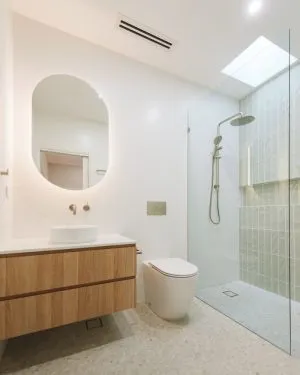
The strongest results usually come from matching the solution to the room. Fixed skylights suit areas that need more light. Operable models suit spaces where steam, heat, or stale air are part of the problem. Where a traditional skylight can’t be installed, an LED skylight-style option can still change the feel of the room.
If you’ve got a gloomy kitchen, a dark hallway, or a bathroom that never feels fresh, the fix may be simpler than you think. The next step is to compare options, look through real project inspiration in the gallery, and get clear on what suits your roof, room, and budget.
Frequently Asked Questions About Home Skylights
Are skylights safe in Australia’s sunny climate
Yes, when the glazing is designed properly. Verified data for this topic states that modern double-glazed skylights can reduce harmful UV radiation by up to 99%, while still allowing homeowners to benefit from natural light. The same verified material notes that 23% of Australians are vitamin D deficient, which is one reason safe daylight access matters in Australian homes (UV filtering skylights and daylight health context).
The practical takeaway is simple. You don’t need to choose between a brighter room and sensible UV protection.
How much maintenance do modern skylights need
Less than many people expect, especially when the unit includes self-cleaning glass. In normal conditions, the main maintenance is occasional visual checking, keeping surrounding roof areas clear, and making sure moving parts such as blinds or openers are working as they should.
The biggest maintenance win comes from choosing a well-designed unit in the first place. Good glazing, proper flashing, and clean water-shedding details reduce the issues that gave older skylights a bad name.
What happens if it rains while an operable skylight is open
Models with rain sensors are designed to respond automatically, which removes a lot of the worry. That feature is especially useful in bathrooms, kitchens, and homes where people open the skylight for ventilation and then leave the room.
If you’re considering an opening unit, it’s worth thinking about how you’ll use it in daily life. Convenience features matter because the best ventilation system is the one you’ll use regularly.
If you’re ready to brighten a dark room, compare rooflight options, or price up a project, have a look at Vivid Skylights. You can explore fixed and operable skylights, view the gallery for ideas, and find a solution that suits your home anywhere in Australia.