

You’re probably looking at a dark hallway, bathroom, kitchen, or stairwell and thinking the same thing most homeowners think. “A skylight will fix this.” That part is often true.
Where people get caught is the material choice. An acrylic skylight usually looks like the easy win because it’s light, common, and often cheaper at the start. That’s why it became popular in Australian homes, especially after energy-efficiency rules pushed more daylighting into residential design. In fact, acrylic skylights make up around 15 to 20% of residential installations in Australia, with stronger uptake after the post-2010 National Construction Code changes focused on energy-efficient daylighting, according to this acrylic skylight market report.
The problem is simple. A skylight isn’t a short-term purchase. It sits in the harshest part of the building envelope, taking full sun, rain, hail, temperature swings, and roof movement year after year. If you choose a material based only on upfront cost, you can end up paying for that decision twice.
Table of Contents
The Allure of Acrylic Skylights and a Word of Caution
An acrylic skylight appeals for obvious reasons. It’s lightweight, widely available, and familiar to many roofers because older homes often used domed plastic units. If your goal is to brighten a room fast, acrylic can look like a practical shortcut.
That’s the appeal. The caution comes later.
Individuals often don’t inspect a skylight in the same way they inspect roofing, windows, or insulation. They look up, see light coming through, and assume everything is fine. But skylights fail differently. They age in full exposure, and when the material starts to lose clarity or toughness, you often don’t notice until the leak, the crack, or the next hail event forces the issue.
Practical rule: Don’t judge a skylight by how it looks from the floor. Judge it by how it will perform after years of UV, heat, storms, and roof movement.
Acrylic still has a place in the market. It became common for a reason. But if you’re deciding what to install now, or whether to keep an old dome in place, you need to think beyond purchase price. You need to think about how many summers it will sit under, how it will cope with hail, how much heat it will let in, and what happens when the material starts to age.
That’s where the full cost shows up.
Understanding the Basics of an Acrylic Skylight
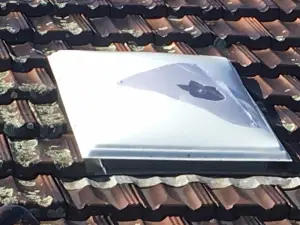
An acrylic skylight is usually a formed plastic rooflight, often shaped as a dome. The dome design isn’t random. It helps shed water and suits many older and standard roof applications.
What acrylic skylights usually look like
Most acrylic units people recognise are the classic raised dome style. They’re often installed on existing homes, renovations, and utility spaces where the goal is straightforward daylight rather than a flush architectural finish.
Structurally, acrylic domes do have some practical advantages. Standard offerings can be made in larger single units than glass, up to 46.5" × 46.5", and many self-flashing designs are made for roofs with a minimum 3:12 pitch, as outlined in these acrylic dome skylight specifications. Many also use frames with thermal breaks to help meet performance requirements.
If you want a quick primer on skylight types more broadly, this overview of what a skylight is gives useful context before you compare materials.
Why builders have used them
Builders and renovators have historically chosen acrylic because it’s lighter than glass and relatively easy to handle on site. For some roof forms, that lower weight simplifies installation. The dome shape also naturally sheds water, which is one reason these units became so common on pitched roofs.
Acrylic also starts out bright. That matters to homeowners because the immediate result can be impressive. A room that felt boxed in suddenly gets daylight from above, and the change feels dramatic.
Here’s the catch. Easy to install and good on day one are not the same as good over the life of the home.
An acrylic dome can solve a lighting problem quickly. It can also create a durability problem slowly.
That’s why understanding the basic form matters. Once you know what acrylic is and why it’s used, you can assess it properly instead of assuming all skylights perform the same.
The Performance and Pitfalls of Acrylic Over Time
Acrylic performs well enough to stay popular. It does not perform well enough to be the best long-term choice for most Australian homes.
Light and heat are not the same thing
People often confuse brightness with efficiency. They’re not the same thing. Clear acrylic can deliver 92% visible light transmission, but that same clear finish also brings maximum solar heat gain, which can increase cooling pressure in warm conditions, according to Plasteco’s technical information on acrylic glazing performance.
That matters because the room doesn’t just get lighter. It can also get hotter.
Acrylic is still a compromise material when you compare it with modern double-glazed glass skylights.

What Australian weather does to acrylic
The long-term problems become hard to ignore. Acrylic is often sold as impact-resistant, but long exposure changes the material. It can become brittle and discoloured over time, especially under UV exposure. Homeowners rarely get a clear timeline for that decline, which is exactly why many underestimate the true ownership cost.
If you want a broader materials perspective, this explanation of acrylic's performance in roofing applications is useful because it highlights the same core issue seen across exposed roofing products. Acrylic can work, but exposure is relentless, and material ageing is the ultimate test.
The practical warning signs are usually obvious once you know what to look for:
Yellowing or cloudiness: The skylight no longer gives clean daylight.
Surface crazing: Fine cracks begin appearing across the dome.
Brittleness: The unit loses resilience and becomes more vulnerable during storms.
Leaks around ageing assemblies: Movement, shrinkage, and deterioration can turn a previously serviceable skylight into a roof risk.
If you’re dealing with an old plastic unit, this guide to polycarbonate skylight replacement is also relevant because many of the replacement principles are the same across ageing plastic skylights.
A skylight should improve comfort. If it brings in harsh heat, noisy rain impact, or ongoing worry every storm season, it’s no longer doing its job.
One more reality gets ignored in brochures. Acrylic skylights are often louder in heavy rain than insulated glass systems. Anyone who has tried to sleep, work, or relax under an ageing plastic dome during a downpour already knows this. The issue isn’t just weather resistance. It’s daily comfort.
Acrylic vs Double-Glazed Glass The Decisive Comparison
If you’re choosing between acrylic and double-glazed glass, stop treating it like a cosmetic choice. It’s a durability decision, a comfort decision, and a risk decision.
What matters most over the long term
Acrylic wins the opening round on simplicity and lower initial spend. That’s about it. Over time, the weaknesses become more important than the early savings.
The biggest issue is ageing. Acrylic skylights are marketed as impact-resistant, yet long-term UV exposure can make them brittle and discoloured, and homeowners are rarely given a clear degradation timeline, as discussed in this review of glass versus acrylic skylight durability. In Australian conditions, that lack of clarity matters because UV, heat, storms, and temperature cycling are not mild.
If your existing acrylic skylight is over 15 years old, I’d treat it as a liability, not an asset. At that point, you’re not preserving a functional daylight product. You’re gambling that aged plastic won’t fail when the next hail storm hits.
By contrast, a modern double-glazed glass skylight is built for the job the roof demands. Toughened outer glass gives far better protection against impact. The insulated glass unit handles temperature more effectively. The finish stays clear. The room feels calmer and more consistent.

Skylight Material Showdown
Below is the comparison that actually matters for a homeowner planning beyond the next few years.
| Feature | Acrylic Skylight | Vivid Double-Glazed Glass Skylight |
|---|---|---|
| Long-term clarity | Can discolour with long-term UV exposure | Maintains a cleaner, more stable appearance over time |
| Ageing behaviour | Can become brittle as it ages | More stable material for long-term roof exposure |
| Hail confidence | Risk increases as older acrylic deteriorates | Toughened outer glass offers stronger protection |
| Thermal control | Clear acrylic can bring high solar heat gain | Better insulation and temperature control |
| Comfort in rain | Often noisier in wet weather | Better acoustic performance in everyday use |
| Appearance | Raised dome look, often dated on modern homes | Cleaner architectural finish |
| Replacement pressure | Older units can become an ongoing concern | Better suited to a long-term home upgrade |
| Investment value | Lower upfront appeal, higher uncertainty later | Better fit for a 25+ year home decision |
If you’re comparing products seriously, review double-glazed skylights with the mindset you’d use for windows, roofing, or insulation. You wouldn’t put a short-life material in the most exposed part of the house and call it value. A skylight deserves the same standard.
The cheapest skylight often becomes the expensive one once you count replacement, repairs, lost clarity, and storm risk.
My view is blunt because the stakes are real. If you’re building, choose double-glazed glass from the start. If you’re living under an old acrylic dome, replace it before it decides the schedule for you.
Replacing Your Old Skylight with a Modern Solution
A replacement usually becomes urgent in the least convenient week of the year. Heavy rain arrives, the ceiling stains appear, and the old dome that seemed “fine enough” suddenly isn’t.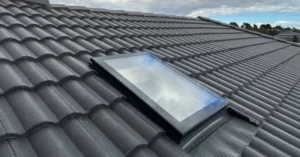
Signs your existing unit is due for replacement
Check the skylight from inside and outside if it’s safe to do so. You’re looking for material ageing and assembly failure, not just obvious leaks.
Yellow or dull light: The dome has lost clarity and the room feels dimmer or dirtier.
Fine cracking: Crazing across the surface means the material is ageing out.
Brittle feel or visible wear: Old plastic stops being forgiving.
Water staining nearby: The leak may be from seals, flashing, or the deteriorating unit itself.
A replacement often makes sense before total failure. Waiting for the crack to become a ceiling repair bill is not a smart strategy.
For homes where roof space is being reworked, upper-storey changes are being planned, or the ceiling line is changing, it helps to understand the broader design implications. This guide to loft conversions gives useful background on how overhead light fits into larger renovation decisions.
How to approach a retrofit properly
The right retrofit starts with the opening size, roof type, pitch, and internal shaft condition. Then you match the new unit, flashing, and finish details properly. A good replacement isn’t just “drop in a new skylight”. It’s making sure the roof opening, weatherproofing, and internal finish all work together.
If the old opening is serviceable, replacement can be straightforward. If the surrounding frame has deteriorated or the flashing was poorly handled years ago, the job may need more correction.
For ageing plastic ceiling diffusers or internal covers, this page on replacement skylight diffusers is useful if part of your problem is inside rather than on the roof itself.
Here’s a practical look at what a replacement process can involve:
Australia-wide delivery also changes the replacement equation. You don’t need to be in one metro pocket to upgrade to a better skylight system. Whether you’re in Melbourne, a coastal town, or a regional centre, access to replacement options is no longer the hurdle it once was.
When a Traditional Skylight Is Not an Option The AuraGlow Solution
Some rooms can’t take a conventional roof skylight at all. Ground-floor internal bathrooms, apartments, lower-level hallways, and rooms with complicated roof structures above them don’t give you a clean path to the roof.
That’s where a simulated skylight becomes a smart design move instead of a compromise. The AuraGlow LED skylight range is built for exactly that situation. It creates the visual effect of a skylight and shifts colour through the day to mimic the changing character of natural sky light.
That matters more than people think. A flat artificial light source can brighten a room, but it often still feels artificial. A well-designed skylight-style LED feature changes the emotional quality of the space. The room feels more open, calmer, and less enclosed.
Not every room can have a roof window. That doesn’t mean the room has to feel shut in.
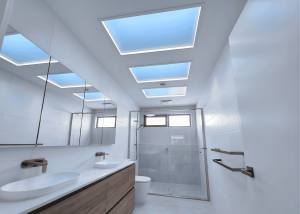
If a traditional skylight is impossible, forcing one into the design is usually a mistake. A purpose-built alternative gives you the visual lift without awkward construction, ducting conflicts, or structural compromises.
Conclusion Investing in Light Safety and Future Value
An acrylic skylight is easy to understand. It’s familiar, lightweight, and often cheaper to buy. That doesn’t make it the right choice for a home you plan to live in and protect.
The long-term reality is harder. Acrylic can let in strong daylight, but it also brings bigger concerns around heat gain, ageing, discolouration, brittleness, and storm vulnerability. If your existing acrylic unit is old, especially if it’s past the point where plastic roof components typically start showing decline, replacement is the sensible move.
Double-glazed glass is the smarter standard. It’s better for comfort, better for durability, better for weather resistance, and better for peace of mind. If you’re investing in a skylight, invest once and do it properly.
That applies whether you want a fixed skylight, an operable unit for airflow, or a non-traditional daylight solution for a difficult room. The best skylight choice isn’t the one that looks affordable today. It’s the one that still protects your home and looks right years from now.
If you’re ready to replace an ageing acrylic skylight or choose a better option from the start, Vivid Skylights is worth a close look. They supply double-glazed fixed and operable skylights, including electric and solar-powered opening models, with nationwide delivery across Australia. If a traditional skylight won’t work in your space, their AuraGlow LED skylight range offers a clever alternative that recreates the feel of natural overhead light.