

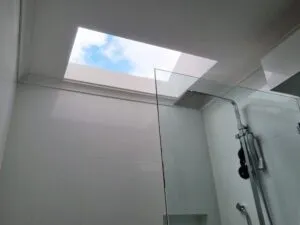
The Gold Coast gets plenty of sun, but a lot of homes still feel dim where it matters most. Hallways sit in the middle of the floorplan with no window at all. Bathrooms rely on lights in the middle of the day. Living rooms with deep eaves or nearby buildings can feel flatter and darker than they should.
That mismatch is why so many homeowners start looking at skylights gold coast options. A well-placed skylight doesn’t just add brightness. It changes how a room is used, how open it feels, and how often you reach for a switch. In this climate, that matters.
The hard part isn’t deciding whether more daylight would help. It’s choosing the right product, putting it in the right spot, and avoiding the common mistakes that lead to glare, heat build-up, leaks, or approval headaches. That’s where practical planning makes the difference.
Table of Contents
Welcome to Your Brighter Gold Coast Home
A lot of Gold Coast homes have one or two spaces that never quite catch up with the rest of the house. You open the blinds, the outdoor areas are bright and lively, but the centre of the home still feels closed in. That’s usually where a skylight makes the biggest difference, because it brings light from the one place nearby homes, fences, and side setbacks can’t block. The roof.
The appeal goes beyond looks. Natural top-lighting can make a narrow kitchen feel wider, a bathroom feel cleaner, and an open-plan area feel more balanced from morning through late afternoon. That’s why homeowners researching the benefits of skylights usually move quickly from inspiration to practical questions about placement, glazing, ventilation, weatherproofing, and approvals.
Practical rule: The best skylight isn’t the biggest unit you can fit. It’s the one that matches the room’s purpose, the roof shape, and the local weather.
On the Gold Coast, those choices matter more than they do in milder climates. You’re dealing with strong sun, humidity, salt in the air near the coast, and periods of heavy rain. Good results come from getting the fundamentals right early, not from trying to fix a poor decision after installation.
Why Your Gold Coast Home Deserves Natural Light
A lot of Gold Coast homes feel bright at the edges and flat in the middle. The patio is full of sun, the rear living area looks good, then the hallway, ensuite, or kitchen bench line still needs artificial light by late morning. That gap matters because it affects how the house works every day, not just how it looks in photos.
Skylights solve a problem standard windows often cannot. They bring daylight into rooms surrounded by garages, side setbacks, neighbouring walls, or deep roofed outdoor areas. On local blocks, that is common.
Light changes how rooms get used
A dark room usually becomes a second-choice room. Hallways feel narrow. Bathrooms feel closed in. A study corner gets avoided because it never feels pleasant to sit in for long.
Top-lighting pushes daylight further into the floorplan, which is why it often has more impact than adding another wall window. In practical terms, one well-placed skylight can change the feel of a central room more effectively than repainting, swapping finishes, or adding brighter artificial lighting.
If you are testing simple fixes first, this guide on how to brighten a dark room is a useful starting point. It helps sort cosmetic improvements from structural ones. Paint and mirrors can lift a space. They cannot bring in daylight from above.
Good natural light adds function, not only appeal
Homeowners usually ask for skylights because they want a room to feel brighter. After installation, the bigger benefit is often usability. Morning light makes kitchens easier to work in. Overhead light helps bathrooms feel cleaner and more open. A laundry with daylight feels less like a service box and more like part of the house.
Buyers notice this as well. They may never ask about flashing details or glazing performance, but they notice whether a home feels easy to live in. Light affects that fast.
A home can feel more spacious without adding a single square metre, if the light reaches the right parts of the plan.
Gold Coast conditions change the brief
Natural light on the Gold Coast is not a simple case of adding the largest unit that fits. Strong sun, humid air, summer storms, and coastal exposure all change what a good skylight looks like in practice. A skylight that performs well in Melbourne or inland Queensland can be the wrong choice here if heat control, glazing, or corrosion resistance are treated as afterthoughts.
That is why room purpose matters so much. A bathroom may need daylight and moisture relief. A living room may need balanced light without summer glare. A hallway may only need a compact unit or tubular option to do the job properly. Homeowners comparing different types of skylights for Gold Coast homes should start with the room and roof conditions first, then choose the product.
Better planning usually means better value
The value of a skylight is not measured by brightness alone. It comes from placing light where electric lights are used too often, improving comfort without creating overheating, and choosing a product that suits local approval and installation requirements. That last part is the most telling.
For Gold Coast projects, local experience matters. On the Gold Coast, council overlays, cyclone considerations, roof pitch, shaft depth, and waterproofing details all affect outcomes. Vivid Skylights works through those practical steps early, which helps homeowners avoid the expensive mistake of choosing a skylight that looks right in a brochure but performs poorly in the actual house.
Choosing Your Perfect Skylight A Homeowners Guide
A good skylight choice starts with the problem in the room. A dark kitchen needs something different from a humid bathroom, and both need something different from an internal hallway with no practical roof access.

Start with the room, not the product
For living rooms, kitchens, and stair voids, fixed skylights are often the most sensible option. They bring in steady daylight, keep the ceiling line clean, and avoid the extra cost and maintenance that come with opening hardware. If the room already gets good airflow from windows, stacking doors, or breezes, a fixed unit is usually the better spend.
Bathrooms, laundries, and upper-floor rooms call for a different approach. Warm air and moisture collect high, especially after showers or during still summer weather. An operable skylight gives that trapped air somewhere to go, which can help the room dry faster and feel less stuffy.
Access matters too. In homes with raked ceilings, voids, or high-set skylights, a manual opener can become a nuisance. Electric and solar-powered opening skylights suit those spaces because the unit gets used, not ignored.
Some layouts rule out a conventional roof opening altogether. Roof framing, upper-storey rooms, apartment conditions, or services in the ceiling can make a standard skylight impractical. In those cases, an AuraGlow LED skylight style product serves a different purpose. It creates a daylight effect where a true skylight cannot be installed.
Homeowners comparing different skylight types for Gold Coast homes should match the product to the room first, then the wish list.
If you’re also shaping the ceiling around the skylight, these popular vaulted ceiling ideas can help you think through how daylight, ceiling lines, and room volume work together.
Vivid Skylights at a Glance
| Skylight Type | Best For | Key Feature | Ventilation |
|---|---|---|---|
| Fixed Skylights | Living rooms, kitchens, stairwells | Continuous daylight with a simple, sealed design | No |
| Manual Venting | Bathrooms, laundries, smaller rooms | Openable unit for moisture and warm air release | Yes |
| Electric Venting | High ceilings, hard-to-reach rooms, modern renovations | Remote operation and convenient airflow control | Yes |
| Solar Venting | Energy-conscious homes and retrofit projects | Operable ventilation without relying on hardwired access | Yes |
| AuraGlow LED Skylight | Internal rooms where roof penetration isn’t possible | Daylight-style ceiling effect that shifts colour through the day | No |
Vivid Skylights offers double-glazed fixed skylights, electric and solar opening models, and AuraGlow LED skylights. That range is useful on Gold Coast projects because one home can need two different answers. A main living area may suit a glazed roof opening, while an internal robe or hallway may only suit a daylight-style ceiling unit.
What performance details matter
On the Gold Coast, the specification sheet matters as much as the appearance. The wrong glazing can turn a bright room into a hot one. The wrong frame or flashing detail can age poorly in coastal conditions.
Three details deserve close attention.
Glazing performance: Double glazing and low solar heat gain matter in living areas that cop strong sun. This helps control glare, protects finishes, and reduces the greenhouse effect that gives cheap skylights a bad reputation.
UV filtering: Better glass helps limit fading on timber floors, rugs, cabinetry, and furniture. That matters more than many homeowners expect once the light shaft starts throwing direct sun onto one section of the room each day.
Operation and weather sealing: Opening units need reliable seals, quality hardware, and a design suited to heavy rain. A venting skylight is only worth the extra money if it closes tightly and performs properly over time.
I usually give clients a simple rule. Judge a skylight by the room at 2 pm in January, not by how it looks in a brochure.
In practice, that means cheap single-glazed units rarely stack up for primary living spaces on the Gold Coast. They can flood a room with light, but light alone is not the goal. The better result is balanced daylight, controlled heat, and a product that still looks and performs properly after years of salt air, storms, and daily sun.
Planning Your Installation Key Gold Coast Considerations
A good skylight plan starts before anyone cuts the roof. On the Gold Coast, the best result comes from lining up four things early: where the light is needed, how the roof is built, how rain will move across the flashing, and how the finished shaft will look from inside. Get those right and the skylight feels like it always belonged there. Get them wrong and even a quality unit can look awkward or underperform.
The common mistake is copying a layout from another home. A skylight that works beautifully over a north-facing kitchen in Burleigh can be the wrong move for a hallway under a different roof shape in Robina. Orientation, ceiling type, roof framing, and summer sun angle all change the result. Planning needs to be site-specific.
Placement decisions that work in real homes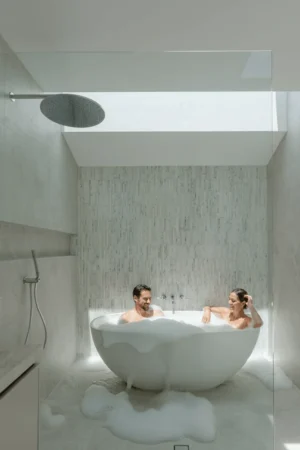
Start with the room’s actual problem. Some spaces are dim because they sit in the middle of the floorplan. Others have enough daylight but still feel flat because the light lands in the wrong spot. Bathrooms may need daylight plus moisture relief. Kitchens usually need even working light, not a harsh pool of sun over one bench.
A practical planning sequence looks like this:
Pick the area that needs daylight most: Place the unit over the part of the room that is actively used, not just in the middle of the ceiling.
Check the roof-to-ceiling path: Trusses, rafters, ducting, and electrical runs often decide what size and position are realistic.
Match the skylight to how the room works: A living area, stair void, ensuite, and walk-in robe all need different light distribution.
Look at what sits below the opening: Direct sun on a dining table can look great. Direct sun on a TV, polished floor, or stone benchtop can create glare and heat where you do not want it.
Homeowners comparing options usually benefit from reviewing the practical steps in this installation of skylight guide before locking in size, access, and position.
Roof pitch, rainfall and coastal durability
Weatherproofing is where planning gets real. The Gold Coast gets intense summer downpours and regular storm activity, so the roof detail matters as much as the glass. The Bureau of Meteorology’s Gold Coast Seaway climate statistics show how wet the region can be in peak months. That is why installers need to think beyond appearance and focus on drainage paths, flashing design, and long-term sealing.
Pitch limits should come from the exact product you are specifying, not from a generic rule of thumb. For example, Vivid Skylight publishes roof pitch requirements for its flashing systems in its installation instructions and product resources, and product compliance should be verified against the manufacturer’s own test data and certification documents for standards such as AS 2047. In practice, that means checking the technical sheet before ordering, then matching the unit and flashing kit to the existing roof profile and slope.
On site, a few planning rules make a big difference:
Use a product with flashing designed for the roof type: Tile, corrugated metal, and deck roofs each need the correct detailing.
Confirm the manufacturer’s minimum and maximum pitch range: A flashing system only works as intended within its tested application.
Allow for coastal exposure: Salt air shortens the life of weak coatings, fixings, and low-grade metals.
Choose glazing and frame details that shed water cleanly: Standing water around the head of a skylight is an early warning sign of future trouble.
A skylight should work like part of the roof system. It is not a decorative add-on.
Here’s a short video that helps visualise installation thinking and roof integration:
Think through the shaft and ceiling finish
The shaft often decides whether the finished room feels bright or disappointing. I have seen well-made skylights lose half their impact because the shaft was too narrow, too deep, or lined in a colour that absorbed light.
A flared shaft usually spreads daylight better than a tight vertical tunnel. Light-coloured linings help bounce that daylight into the room instead of trapping it inside the reveal. In homes with a flat ceiling under a pitched roof, shaft depth can also affect value for money. A slightly smaller skylight with a better-shaped shaft often performs better than a larger unit with a deep, stingy opening.
The visible ceiling opening is only part of the result. The light path above it shapes how generous the room feels.
Ask early how deep the shaft will be, whether it can flare, and what structural limits sit above the ceiling. Those decisions are often more important than chasing the biggest unit on the brochure.
Navigating Gold Coast Council Rules and Installation
One of the biggest blind spots in skylights gold coast projects is approvals. Many homeowners get as far as selecting a product and comparing glazing, then realise no one has clearly explained what needs checking with council or certifiers. That information gap is real. The Gold Coast skylight approvals discussion points out that homeowners, builders, and architects need clearer guidance on permit timelines, structural assessments, and requirements under the Gold Coast City Council planning scheme.
That doesn’t mean every skylight needs the same approval pathway. It means you shouldn’t assume the answer without checking.
The checks worth doing before you order
Treat approvals like a due diligence list, not an afterthought. In most projects, these are the key questions:
Structural changes: Will the installation alter rafters, trusses, or other structural members?
Planning overlay issues: Is the property affected by heritage, character, bushfire, or other planning controls?
Roof type and access: Does the existing roof require special detailing or engineering input?
Room classification: Are you installing into a wet area or a space with other compliance considerations?
The useful habit is to confirm these points before product selection is locked in. That keeps you from choosing a size or configuration that later creates unnecessary certification work.
For homes in bushfire-prone contexts, it also makes sense to review BAL 29 requirements early so glazing, framing, and installation decisions stay aligned with the broader compliance picture.
DIY kit or professional install
This decision comes down to risk, skill, and roof complexity. A straightforward single-storey install on a simple roof is very different from a two-storey coastal home with difficult access, a deep shaft, and electrical components for opening hardware.
DIY can make sense when the homeowner or contractor already understands roofing penetrations, flashing details, waterproofing sequence, and plaster finishing. It usually does not make sense when the job involves uncertain framing changes, steep roof access, or any ambiguity about compliance.
A professional installer earns their keep by handling the details that don’t show in the final photo. Correct flashing order. Clean integration with roof profile. Safe opening through roofing and ceiling. Proper sealing and finishing.
If the roof penetration detail is wrong, the problem won’t announce itself on day one. It usually appears later, after heavy weather or repeated moisture exposure.
Australia-wide delivery can simplify product sourcing, but delivery doesn’t replace project checking. The smartest approach is to settle compliance, confirm roof conditions, and then decide whether the install belongs with a capable tradesperson or a specialist installer.
Understanding Costs Warranty and Financing on the Gold Coast
Money is where many skylight conversations become vague. Homeowners hear that skylights save power and add value, but they’re rarely given a clean, local framework for evaluating the investment. That gap has been noted directly by Skylights Gold Coast, which states that there’s a lack of quantified data on installation costs, payback periods, or return on investment specifically for Gold Coast residents.
That means the honest approach is to separate what’s known from what isn’t.
What you can say confidently about cost
The total outlay depends on more than the skylight itself. It usually includes the unit, flashing, labour, ceiling work, shaft construction where required, finishing, and any electrical work for motorised models. Roof type matters. Ceiling depth matters. Access matters.
That’s why headline prices can be misleading. A simple replacement or easy install on a basic roof should not be compared directly with a new opening in a more complex ceiling and roof assembly.
A sensible budgeting method is to ask for itemised pricing that separates:
Product supply: fixed, manual opening, electric, solar, or LED alternative
Roof works: opening, flashing, waterproofing, and external finishing
Internal works: shaft framing, plastering, trim, and paint-ready finish
Electrical scope: power supply, switches, controls, or sensors where relevant
If you’re also comparing broader roofing work, guides like Rescreen Rescue’s roof repair guide can be useful for understanding how roof complexity affects labour and access costs more generally.
Where the value usually shows up
The financial upside tends to come from three places. Lower daytime reliance on artificial lighting. A more comfortable and functional room. Better presentation and appeal when the home is valued by buyers.
Warranty also belongs in the value calculation. A skylight is not just a piece of glass. It’s a roof penetration. That means warranty quality matters more here than it does with many interior finishes. A 10-year leak-free warranty can be a meaningful sign that the supplier understands what buyers worry about most.
Financing can help spread the cost, but it shouldn’t be the main reason to proceed. The better question is whether the skylight solves a real problem in the home and whether the specification is good enough to avoid introducing a new one.
How to Choose Your Skylight Supplier and Installer
Most homeowners don’t need a long shortlist. They need a short list of good questions. The answers will usually tell you whether a supplier understands Gold Coast conditions or is just selling a generic daylight product.
Ask these before you commit:
What glazing are you supplying: If the answer is vague, keep pushing. You want clarity on double glazing, UV control, and thermal performance.
How is water managed on this design: Ask specifically about top glazing, flashing, and whether the unit is suited to your roof pitch and profile.
What happens in a wet area or humid room: Bathrooms and laundries need more than daylight. They need a moisture strategy.
What warranty applies to leaks and product failure: Long warranties matter, but only if the wording is clear and the supplier stands behind them.
Can you support both supply and installation advice: Even when using your own trades, product-specific guidance reduces mistakes.
Do you have installers or installer guidance for my location: A good starting point is a directory or referral path such as skylights installers near me.
A reliable supplier should be able to explain what suits your roof, what suits your room, and what they’d avoid. That last part is the real test. Anyone can recommend a product. Competent advice also includes what not to do.
Conclusion Brighten Your Life on the Gold Coast
A well-planned skylight can do more than brighten a room. It can make a home feel larger, calmer, and more usable every day. On the Gold Coast, the opportunity is obvious. There’s abundant daylight outside, and the right skylight helps bring it into the parts of the house that need it most.
Choose carefully. Match the unit to the room. Respect the roof and the weather. Check approvals before work begins. Do that, and a skylight becomes one of the most effective upgrades you can make.
If you’re ready to compare options, check room suitability, or get pricing for your project, start with Vivid Skylights.