

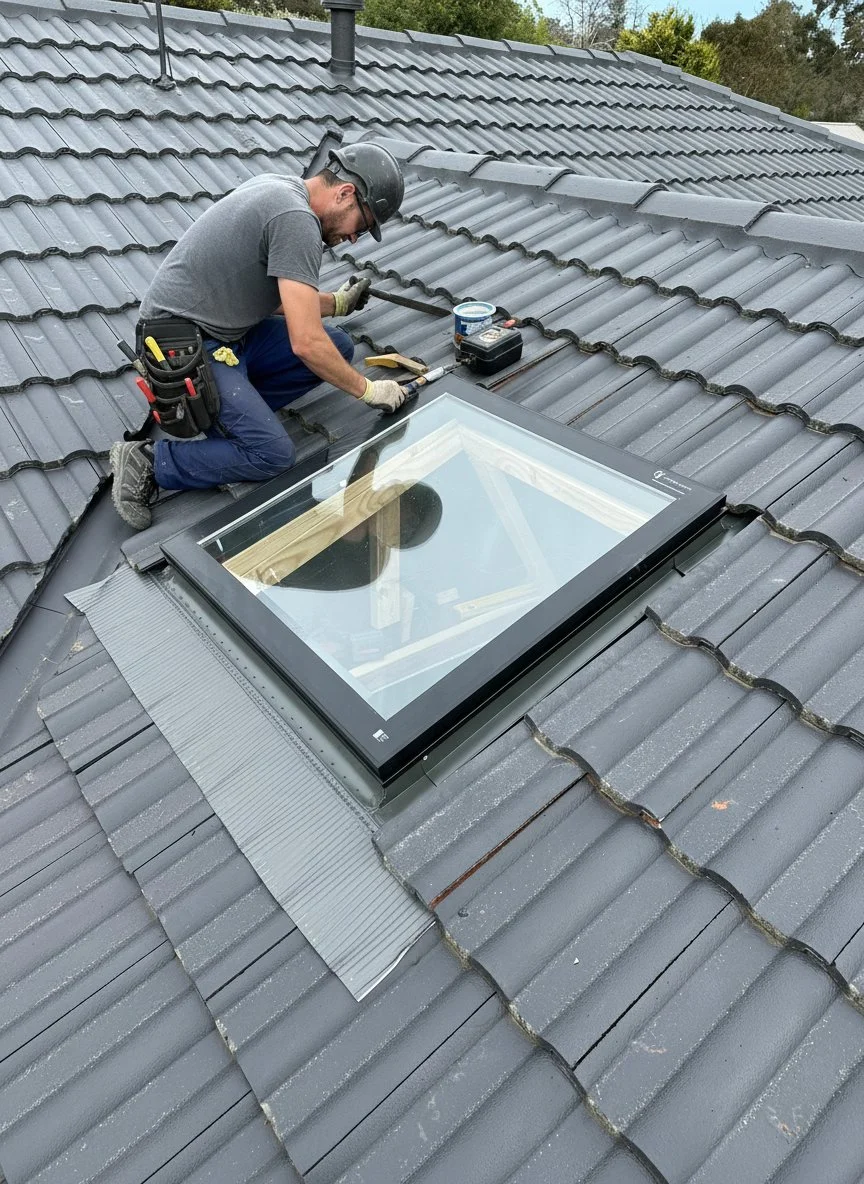
When you start asking, “how much do skylights cost?”, you’re not just thinking about a piece of glass for your roof. You’re really asking about the total investment needed to bring that beautiful, natural light into your home. Getting a handle on this figure early on helps you plan your project with confidence and avoid any budget blowouts down the track.
On average, a fully installed skylight in Australia can cost anywhere between $1,600 and $5,000. This ballpark figure covers both the skylight unit itself and the professional labour needed to get it fitted perfectly, ensuring a complete and weather-tight finish.
Breaking Down Australian Skylight Costs
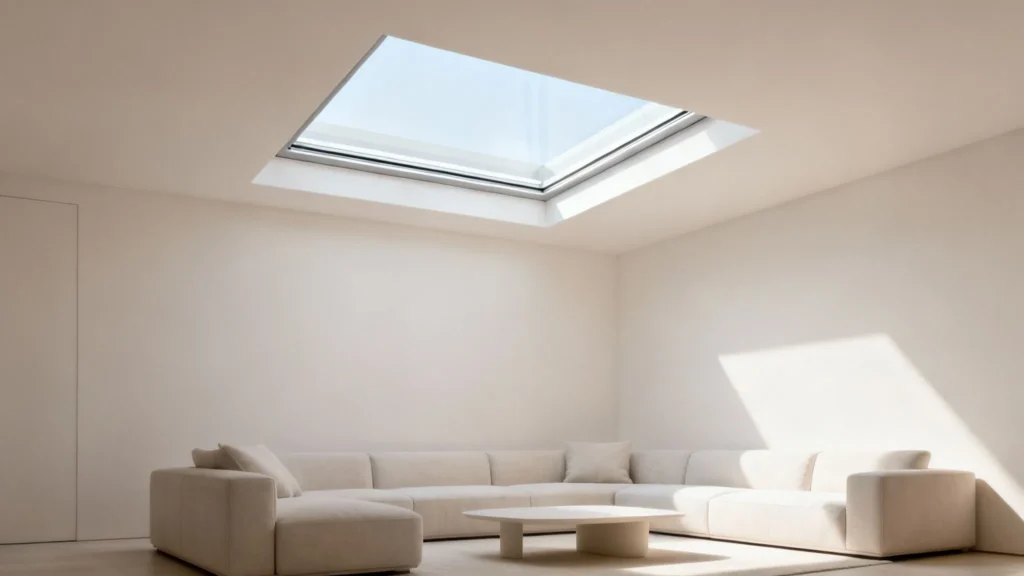
While national pricing guides often quote a broad AUD $1,600–$5,000 range for a typical residential project, the final number depends on your specific choices. For homeowners in Vivid Skylights’ bayside and south-east Melbourne service areas, a realistic budget for a quality double-glazed skylight plus professional installation will often sit around $1,300–$5,000 once things like flashing and interior finishing are factored in. It always pays to research national cost averages for skylight projects to get a feel for the market.
To give you a clearer starting point, let’s look at the typical all-inclusive costs you can expect.
Estimated Skylight Project Costs at a Glance
To make budgeting a little easier, we’ve put together a quick summary of what you can expect to pay for different types of skylights, including both the product and the installation.
| Skylight Type | Average Installed Cost Range (AUD) |
|---|---|
| Fixed Skylight | $1,300 – $2,800 |
| Manual Opening Skylight | $1,800 – $3,500 |
| Electric/Solar Opening | $2,500 – $5,000+ |
As you can see, the price difference between models really comes down to functionality. A fixed skylight is purely for light, while opening models add ventilation, motorised controls, and rain sensors—all of which increase the complexity and cost of both the unit and its installation.
For a precise quote tailored to your home, the best next step is to use a dedicated tool. The Vivid Skylights online Pricing Estimator lets you pop in your specific requirements and get a personalised estimate in minutes. It’s the easiest way to remove the guesswork and build a solid foundation for your budget.
Understanding Your Skylight Quote: Product vs. Installation
When you get a quote for a new skylight, it’s crucial to see it for what it is: two distinct costs rolled into one final price. Think of it like buying a new oven; you’ve got the price of the appliance itself, and then you have the separate cost for a qualified electrician to wire it up safely. The same logic applies here, with the total figure split between the product and the labour.
The first part of your quote is the skylight unit itself. This is the physical product you’re buying, from the frame and glazing right down to any built-in bells and whistles. A premium double-glazed unit from a brand like Vivid Skylights, for instance, comes with features like self-cleaning glass and tough, powder-coated aluminium frames, and its price reflects that quality.
The second part is the professional installation. This fee covers the installer’s time, skill, and expertise in fitting the skylight perfectly into your roof. This isn’t just about cutting a hole; it’s a detailed construction job that needs to be done right.
Breaking Down the Product Cost
The price tag on the skylight unit is all about its quality and features. A basic fixed skylight is your most budget-friendly option, designed purely to let in light. As soon as you add more functionality, the cost starts to climb. Upgrading to a model that opens for ventilation—whether manually or with an electric motor—will bump up the product price significantly.
Features that add to the unit cost include:
- Glazing Quality: Double-glazing offers far better insulation than single-pane glass, which has a big impact on your home’s energy efficiency and the unit’s price.
- Frame Materials: Durable, weather-resistant materials like powder-coated aluminium are built to last, and that longevity is factored into the cost.
- Integrated Features: Add-ons like motorised openers, rain sensors, and built-in blinds are all upgrades that increase the ticket price.
Decoding Installation Fees
Installation fees are driven by the complexity of the job. Just like any skilled trade, the more time and intricate work involved, the higher the labour cost. Your installer isn’t just a roofer; they’re also a carpenter and a finisher, all rolled into one.
A skylight installation is a multi-trade construction project. It involves cutting through your roof and ceiling, framing the opening, waterproofing the exterior, and finishing the interior drywall and paint. This complexity is why labour is a significant part of the total cost.
Factors that push these fees up include your roof’s pitch (a steep roof is much harder and slower to work on), how easy it is to access the area, and the amount of interior finishing needed to create that clean, seamless light shaft.
For a deeper dive into how tradespeople calculate their prices, this comprehensive guide to estimating project costs sheds light on the detailed process behind your quote. Understanding these variables helps you see the real value in the labour costs and appreciate why a proper, leak-free installation is an investment worth making.
How Skylight Type Shapes Your Final Price
The single biggest decision influencing what your skylights will cost is the type you choose. It’s a bit like buying a car: a standard model gets you from A to B just fine, but adding features like a sunroof, leather seats, and advanced tech will naturally push the price up. Skylights work on the same principle, with each model offering a different level of function at a matching price point.
Your choice really boils down to three main categories. Each one serves a distinct purpose, and getting your head around them is the key to matching your budget with what you want for the space.
Fixed Skylights: The Purest Form of Light
A fixed skylight is the most straightforward and budget-friendly option you can get. It’s essentially a non-opening window for your roof, designed with one job in mind: to flood your room with beautiful, natural daylight. Because it has no moving parts, motors, or complex mechanisms, its product and installation costs are the lowest of the lot.
This makes a fixed unit the perfect solution if your main goal is simply to brighten a dark space without needing extra ventilation.
Opening Skylights: Light Plus Fresh Air
The next step up is an opening skylight, which can be operated either manually with a handle or rod, or electrically with a remote or wall switch. This model does everything a fixed skylight does but adds the crucial benefit of ventilation. It’s ideal for rooms like kitchens and bathrooms where letting steam and odours out is essential for a healthy home.
Of course, the added mechanical components—hinges, motors, and control systems—mean both the unit and the installation are more complex. This places these models in the mid-to-high end of the price spectrum. Exploring the different types of skylights available can help you figure out which features best suit your needs.
Tubular Skylights: For Those Tricky Spaces
Finally, tubular skylights are a specialised solution for areas where a traditional skylight just won’t fit, like hallways, walk-in robes, or small, windowless bathrooms. They use a highly reflective tube to channel sunlight from a small dome on the roof right down into the room below. While incredibly effective, their installation and form are quite different from standard skylights.
Your choice of skylight is a direct trade-off between simplicity and functionality. A fixed model delivers maximum light for the minimum cost, while an opening model adds the comfort of ventilation for a higher investment.
Detailed Australian breakdowns confirm that the type of skylight is a primary cost driver. For example, fixed “singular” skylights in Australia can range from $1,200–$5,000, while vented skylights with manual, electric, or solar operation can cost anywhere between $2,000–$8,000, depending on the specific features.
This chart helps visualise how a typical skylight quote is split between the product itself and the installation labour.
As you can see, while the product is a major component, the skilled labour required for a secure, leak-free installation makes up a significant chunk of the total investment.
Key Features That Influence Skylight Cost
Beyond the basic model you choose, several key features and site-specific needs can seriously influence how much your skylights cost. It’s a lot like customising a new car; the base model has a set price, but adding premium sound, a sunroof, or performance tyres will adjust the final total.
Getting your head around these variables puts you in the driver’s seat. It means you can have a clear, confident conversation with your installer, knowing exactly what you’re paying for and why. Each potential upgrade adds real value, whether it’s through better energy efficiency, more convenience, or greater control over the light in your home.
Let’s break down the most common add-ons so you can see where your money goes and what you get in return.
Glazing Thermal Performance
One of the biggest factors in the final cost is the glazing—the glass itself. Cheaper skylights might use a single pane of glass, but any high-performance unit worth its salt will use double glazing as standard. This is a simple but brilliant bit of tech: two panes of glass separated by a sealed air or gas gap, which acts as a powerful insulator.
This gap dramatically slows down heat transfer, which is just a fancy way of saying it helps keep your home warmer in winter and cooler in summer. While it does increase the initial price, the long-term energy savings often make it a very smart investment. You can learn more about the benefits by exploring different double-glazed skylights to see just how much of a difference they make to thermal performance.
Blinds and Light Control
Flooding a room with natural light is fantastic, but sometimes you need to dial it back. Integrated blinds are a popular and genuinely practical addition, but they will add to your total project cost.
- Block-out Blinds: Perfect for bedrooms or media rooms where you need total darkness on demand. They completely block sunlight and are typically the most expensive blind option.
- Light-Filtering Blinds: These are great for living areas. They soften harsh sunlight and cut down glare while still keeping the room feeling bright and airy.
Adding motorised blinds that you can operate with a remote will bump up the cost compared to manual ones, but the convenience is a huge leap forward, especially for skylights on high ceilings.
Think about how you use the room when deciding on blinds. A block-out blind in a bedroom adds so much value and usability that the extra cost becomes a practical investment in your comfort.
Common Skylight Upgrades and Their Cost Impact
To give you a clearer picture, think of the base skylight as your starting point. From there, you can add features that enhance comfort, convenience, and energy efficiency. Each one has a different impact on the final price.
Here’s a quick breakdown of common upgrades and what you can expect them to add to the overall cost.
| Feature or Upgrade | Typical Added Cost (AUD) | Primary Benefit |
|---|---|---|
| Motorised Opening | $800 – $1200 | Provides natural ventilation at the touch of a button. |
| Manual Block-out Blinds | $390 – $450 | Complete light control for bedrooms and media rooms. |
| Motorised Block-out Blinds | $500 – $900 | Ultimate convenience for light control, especially for high ceilings. |
| Light-Filtering Blinds | $200 – $400 | Softens harsh sunlight and reduces glare without sacrificing brightness. |
| Custom Sizing | Varies widely | A perfect fit for non-standard roof openings or architectural designs. |
| Triple Glazing | 30% – 50% more than double | Maximum thermal and acoustic insulation for extreme climates. |
These figures are just a guide, of course. The final cost will depend on the specific skylight model and the complexity of the installation, but it helps you prioritise which features are “must-haves” and which are “nice-to-haves” for your home and budget.
Flashing Kits for Different Roof Types
A flashing kit is an absolutely critical, non-negotiable part of any skylight installation. It’s a set of pre-fabricated metal pieces that create a watertight seal between the skylight frame and your roofing material. This isn’t a “one-size-fits-all” situation; the kit has to be specifically designed for your roof type to prevent leaks.
A standard flashing kit for a common roof like corrugated metal or tile is usually included in the price or is a standard add-on cost. But if you have a less common roof profile or a custom material, you’ll likely need a specialised flashing kit, which can add to the price.
Always, always confirm the correct flashing kit is listed on your quote. It’s your number one defence against water getting in and ensures a secure, leak-free installation for years to come.
DIY vs Professional Installation A Cost Breakdown
One of the biggest levers you can pull on your skylight budget is deciding who’s going to do the fitting. It’s the classic trade-off: do you save cash on labour by doing it yourself, or do you invest in the guaranteed expertise of a professional?
Going the DIY route is tempting, and for good reason. You can immediately slice $700 – $1,500+ in labour fees right off the final bill. If you’ve got solid roofing and carpentry skills under your belt, that’s a serious saving.
Products like Vivid Skylights are designed for a pretty straightforward installation, which makes them a fantastic option for a skilled DIYer. But it pays to be brutally honest with yourself about the risks if this isn’t your usual line of work.
The Risks of DIY Skylight Installation
Getting a skylight installation wrong can turn into a very expensive lesson. The number one issue we see is improper waterproofing, which leads to those dreaded, persistent leaks that can wreak havoc on your ceiling, insulation, and even the structural timbers of your home.
But the pitfalls don’t stop there. Other common mistakes include:
- Structural Mishaps: Accidentally cutting through a roof truss or rafter without reinforcing it properly can seriously compromise the integrity of your entire roof.
- Voiding Warranties: A simple DIY mistake could void both the skylight manufacturer’s warranty and potentially your home insurance cover for any resulting damage.
- Safety Hazards: Let’s face it, working at heights on a roof comes with real risks. Professionals are trained and equipped to manage this safely day in, day out.
The Value of Professional Expertise
Hiring a professional installer is really about buying peace of mind. You aren’t just paying for a few hours of labour; you’re paying for years of experience, efficiency, and the confidence that the job is done right the first time.
A professional installer knows the quirks of different roof types, from finicky tile profiles to steep metal pitches. Their skill ensures the flashing is integrated perfectly, creating a watertight seal that’s built to last for decades.
This expertise is your best defence against costly future problems. Plus, professional installers back their work with workmanship guarantees. If an issue pops up because of the installation, they’ll be back to fix it. For most homeowners, that assurance is worth every cent.
For a deeper dive into what goes into a professional quote, check out our guide to understanding skylight installation costs.
Ultimately, the right choice comes down to a realistic look at your own skills versus the complexity of the job. A simple install on an accessible, low-pitch roof might be a great weekend project. But for anything more complex, calling in the pros is almost always the smarter long-term financial decision.
Budgeting for Your Skylight Project
Moving from the research phase to the real world of planning your project means thinking beyond just the initial quote. It’s about understanding the long-term value of your investment. A huge part of this is the warranty – think of it as your safety net, protecting you from future costs and giving you peace of mind for years to come.
A strong warranty really shows how much a manufacturer backs their own product. For instance, Vivid Skylights puts a 10-year leak-free warranty on the table, which is a serious commitment. This guarantee covers you against the most common (and most expensive) issue a skylight can have, protecting your home and your wallet long after the installation crew has packed up.
Considering Long-Term Value
When you’re putting your budget together, it’s smart to look past the upfront installation and think about ongoing care. Factoring in future tasks like cleaning helps build a complete financial picture. You might even want to look into the professional window cleaning services cost, especially for those skylights that are a bit tricky to reach on the roof. Taking this holistic view means no nasty surprises down the track.
On top of that, many homeowners find that financing makes getting a premium skylight much more manageable. Spreading the cost over monthly payments means you can get the high-quality, energy-efficient skylight you really want right now, without having to compromise because of a tight upfront budget.
A great skylight is more than a one-time purchase; it’s an investment in your home’s comfort, value, and energy efficiency. Prioritising a quality product with a solid warranty ensures that investment pays off for years to come.
Your Next Step to a Brighter Home
Alright, you now have a solid grasp of what goes into the cost of a skylight, from the type and features right through to the installation itself. The next step? Getting a real figure for your specific project. Guesswork and general price ranges can only get you so far.
The clearest way forward is to use a tool that can translate your unique needs into a realistic estimate. The Vivid Skylights Pricing Estimator was designed for exactly that. It’s the perfect bridge from gathering knowledge to getting a personalised quote, helping turn your bright idea into a reality.
A Few Final Questions About Skylight Costs
When you’re weighing up the cost of a new skylight, it’s completely normal for a few last-minute questions to pop into your head. Let’s tackle some of the most common ones so you can feel confident moving forward with your project.
Do Skylights Actually Increase a Home’s Value in Australia?
They certainly can. A high-quality skylight isn’t just a window in the roof; it’s a premium feature that completely transforms a living space with an abundance of natural light. This can seriously boost a home’s appeal to potential buyers, often leading to a real increase in its resale value.
In the Australian property market, homes that feel bright, airy, and open are always in high demand. Think of it this way: installing a skylight is more than just an aesthetic upgrade—it’s a smart investment in your property’s future.
Does a More Expensive Skylight Mean It’s More Energy Efficient?
Generally, yes. The price tag on a skylight often directly reflects its thermal performance. Premium skylights, like the double-glazed units from Vivid Skylights, offer far superior insulation compared to their cheaper, single-pane counterparts.
This high-performance insulation works for you all year round. It helps reduce heat loss during those chilly winters and minimises heat gain in the peak of summer. While the initial outlay is higher, the efficiency can lead to noticeable savings on your energy bills down the track, making it a very sound financial decision.
A well-insulated skylight isn’t just a purchase; it’s a long-term investment in your home’s energy efficiency. The upfront cost is often offset by reduced heating and cooling expenses over the life of the product.
How Long Does a Typical Skylight Installation Take?
The timeline for a skylight installation really depends on how complex the job is. A straightforward installation on an easily accessible, standard-pitch roof can often be wrapped up in about half a day to a full day.
However, some things can definitely extend that timeframe. If you’re dealing with a particularly steep roof, need complex interior work like building a long light shaft, or are putting in multiple skylights, the job could easily stretch to two days or more to get it done right.
Ready to transform your home with natural light? The Vivid Skylights team is here to help you get started. Discover a personalised estimate for your project by using our simple online tool.
Get your instant quote at https://vividskylights.com.au