

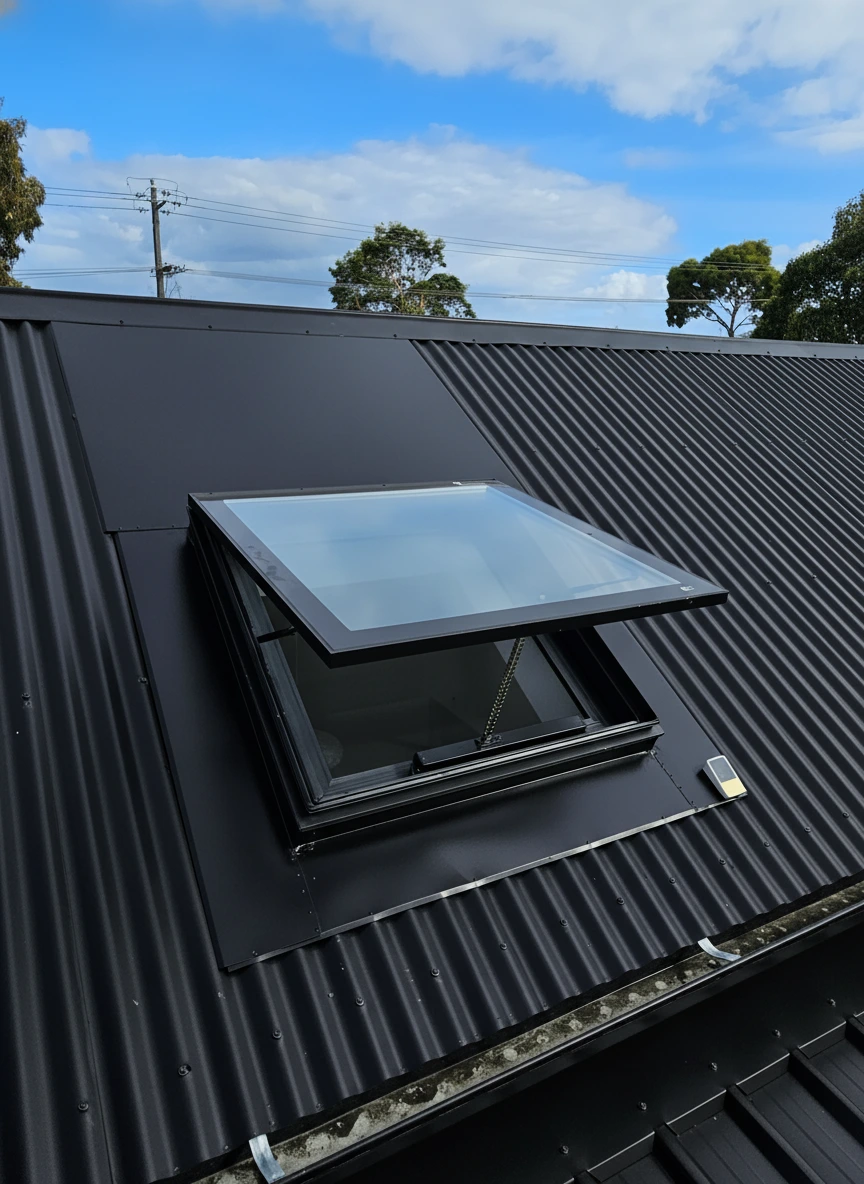
At its core, an electric skylight is a smart window for your roof. It brings natural light and fresh air into your home with the simple touch of a button. Unlike traditional fixed models that just sit there, an electric one has a motor to open and close it, which you can control with a remote or even a smartphone app. It’s a seriously practical tool for managing your home’s climate.
Why an Electric Skylight Is a Smart Upgrade
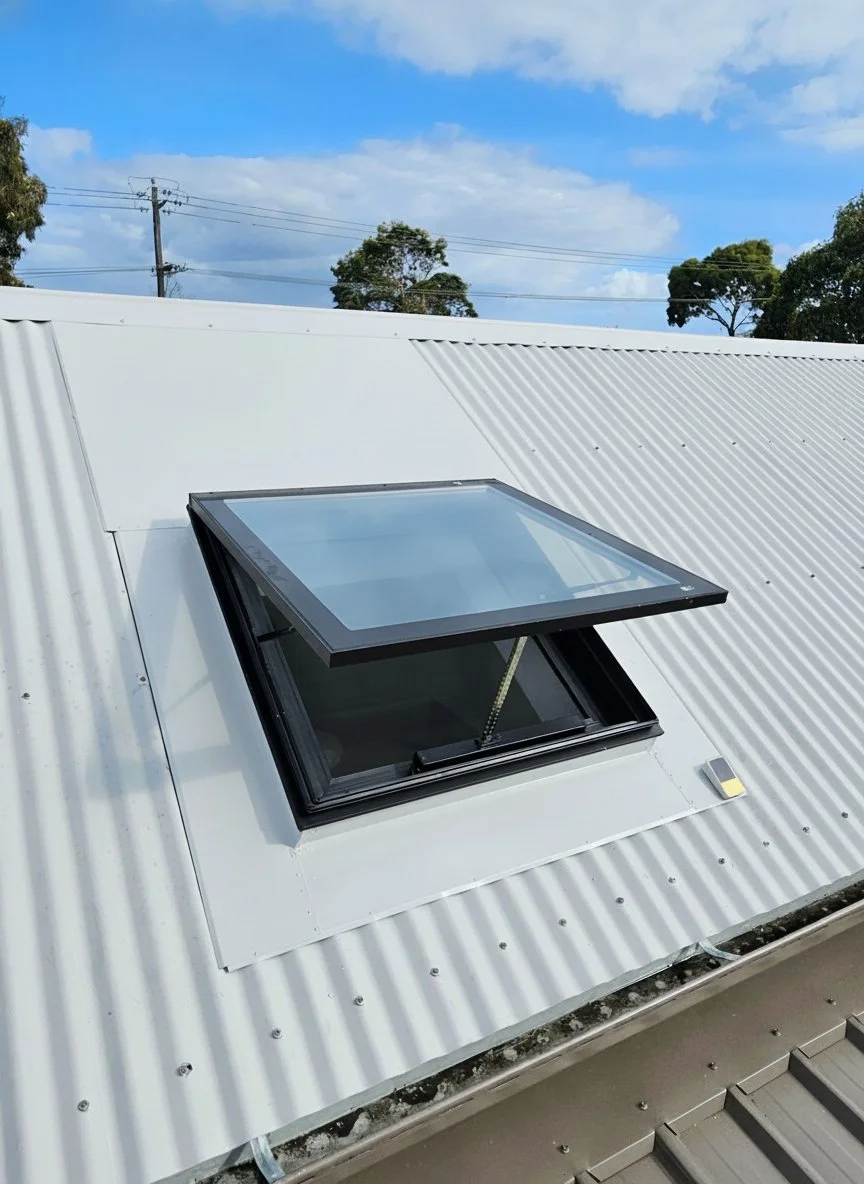
Think of a standard fixed skylight like a beautiful painting on the wall. It lets in light and looks great, but it’s static. An electric skylight, however, is more like an interactive screen that actively responds to you and the world outside. It turns a passive part of your home into a dynamic piece of your ventilation and lighting system.
This upgrade is much more than just a neat gadget. It’s a genuinely practical solution for modern living, especially with Australia’s famously unpredictable weather. Imagine being able to flush out hot, stale air from the kitchen after dinner or let in a cool evening breeze without hunting for a long pole or a clunky crank. That’s the real magic: effortless control.
The Power of Automation
The real smarts of an electric skylight are in its automated features. Many models, including ours at Vivid Skylights, come standard with rain sensors. This simple but brilliant bit of tech gives you total peace of mind by automatically closing the skylight at the first hint of rain. You can leave the house with the skylight open for ventilation, knowing it’ll shut itself if the weather turns.
This “set-and-forget” ability elevates the skylight from just a window to a proper smart home device. It lets you use natural ventilation without having to constantly keep an eye on the sky.
By integrating automation like rain sensors, an electric skylight becomes a reliable partner in managing your home’s climate, ensuring comfort and protection without you needing to lift a finger.
More Than Just a Window
Beyond the cool tech, an electric opening skylight fundamentally changes how you use your living space. It’s an investment in comfort, air quality, and sheer convenience. The ability to easily manage airflow has some serious benefits:
- Improved Air Quality: It’s perfect for getting rid of cooking smells, humidity from bathrooms, and general stuffiness, creating a much healthier indoor environment.
- Passive Cooling: In the warmer months, you can open the skylight to let trapped heat escape from near the ceiling. This process, known as the “stack effect,” naturally draws cooler air in from lower down, taking some of the pressure off your air con.
- Ultimate Convenience: For high or vaulted ceilings where a manual skylight is basically impossible to reach, an electric model is the only logical choice. It turns those inaccessible spots into fantastic sources of fresh air and light.
For Australian homeowners looking to blend modern tech with practical home improvements, an electric skylight just makes sense. It offers control, comfort, and a touch of class that older, fixed models simply can’t compete with.
The Real Benefits of Installing an Electric Skylight
Sure, the remote control is handy, but the real magic of an electric skylight is how it genuinely improves your day-to-day life. It’s not just about looks; we’re talking tangible benefits like lower energy bills, cleaner indoor air, and a real boost to your sense of well-being. Think of it as an investment that pays you back in both comfort and cost savings.
One of the first things you’ll notice is how little you need to flip a light switch. An electric skylight floods a room with natural daylight from above, reaching spots that windows simply can’t. It’s a simple change, but it makes a direct impact on your power bills.
Slashing Energy Bills with Light and Air
With Australian household electricity prices climbing, every kilowatt you save counts. An electric skylight is a seriously effective tool for energy conservation, hitting your power consumption from two different angles: lighting and cooling.
First up, lighting. By placing a skylight strategically, you’re tapping into the sun’s free and endless energy to light up your home. This isn’t just a small adjustment; it’s a complete shift in how you illuminate your living spaces. The financial knock-on effect can be huge, especially in those darker rooms where you’d normally have lights on all day.
Then there’s ventilation. The ability to open up an electric skylight introduces the brilliant concept of passive cooling. We all know hot air rises and gets trapped near the ceiling. With the press of a button, you give that stale, warm air an escape route—a process known as the “stack effect.” This natural airflow can noticeably cool your home down, taking the pressure off your air conditioning during those scorching summer months.
An electric skylight acts as both a natural light source and a thermal chimney. This dual function allows it to cut down on electricity usage for both lighting and cooling, offering a powerful, two-pronged approach to energy efficiency in your home.
This isn’t just theory, either. Recent Australian building research backs it up, showing that well-placed electric skylights can cut the need for artificial lighting by 20–40% during the day. What’s more, using motorised venting effectively can reduce cooling needs in sun-drenched areas by up to 10–15% in summer. Given how much our power bills have jumped in the last decade, those are savings you really feel. You can learn more about how skylights contribute to energy efficiency and home value.
Enhancing Wellbeing and Home Aesthetics
The perks of an electric skylight go well beyond your electricity meter. The quality of light and air inside our homes directly affects our health and happiness, and this is where these installations truly shine.
It’s proven that natural daylight can lift your mood, improve focus, and help regulate your body clock for better sleep. An abundance of sunlight completely changes a room’s vibe, making it feel bigger, cleaner, and more welcoming. That connection to the outside, even when you’re indoors, creates a calmer, more pleasant place to live.
Here’s a quick rundown of how an electric skylight elevates your home experience:
- Improved Air Quality: Easily vent out cooking smells, bathroom steam, or general stuffiness to keep the air fresh and clean.
- Aesthetic Centrepiece: A skylight becomes a dynamic architectural feature, offering a constantly changing view of the sky, clouds, and stars.
- Greater Connection to Nature: There’s something special about hearing the gentle pitter-patter of rain or watching the stars at night through your skylight. It fosters a real connection to the natural world.
Ultimately, installing an electric skylight is about creating a home that’s healthier, more comfortable, and more energy-efficient. It’s a practical upgrade that enhances your living space in ways you’ll appreciate every single day, blending smart tech with the simple, powerful benefits of natural light and fresh air.
Decoding Key Features and Customisation Options
When you start looking at electric skylights, it’s easy to focus just on the size. But the real game-changer isn’t the dimensions—it’s the smart features and clever add-ons that turn a simple roof window into a central part of your home’s comfort system. Getting your head around these components is the key to choosing a skylight that actually makes your life easier and more comfortable.
Think of it like buying a car. The basic frame is important, sure, but it’s the engine performance, safety tech, and interior comforts that really shape your experience on the road. It’s the same with skylights. Things like high-performance glazing, smart sensors, and custom blinds are what determine how well it works for you every single day. Let’s break down the most important options you’ll come across.
High-Performance Double Glazing: The Non-Negotiable Core
Before we even touch on the electronics, let’s talk glass. In Australia’s climate of extremes, putting a single pane of glass in your roof is just asking for trouble. It’s basically an open invitation for heat to pour in during summer and escape in winter, completely wrecking your home’s insulation.
This is exactly why high-performance double glazing isn’t just a feature—it’s the absolute standard for any decent electric skylight. The magic is in the gap between the two panes of glass, which is filled with an inert gas like argon. This gas is a terrible conductor of heat, creating a thermal barrier that helps keep your indoor temperature stable all year round.
A double-glazed electric skylight isn’t a luxury; it’s the foundation of energy efficiency. It dramatically cuts down on thermal transfer, which means your heating and cooling systems don’t have to fight so hard. The result? Lower energy bills.
On top of that, modern glazing often includes a Low-E (low-emissivity) coating. This is a microscopically thin metallic layer that reflects heat and UV rays, which helps stop your furniture and floors from fading while boosting thermal performance even further—all without sacrificing that beautiful natural light.
Smart Automation: Rain-Sensing Openers
This is where the “electric” part really starts to earn its keep. If there’s one automated feature that provides total peace of mind, it’s the rain sensor. This little device is mounted on the outside of the skylight frame, and it’s brilliant.
The second it detects a drop of rain, it signals the motor to close the skylight. Simple as that. This set-and-forget functionality means you can head out for the day with your skylights wide open to air out the house, completely confident they’ll shut themselves if one of those classic Melbourne showers decides to show up. It takes all the guesswork out of ventilating your home, making it a must-have. You can dive deeper into the benefits of an automatic skylight opener to see how this tech delivers such effortless climate control.
Tailoring Your Skylight: Practical Customisations
Beyond the core tech, custom options let you dial in your skylight to perfectly suit your room and lifestyle. These add-ons give you much greater control over light, airflow, and privacy.
The two most popular and genuinely useful extras are integrated blinds and flyscreens. They solve real-world problems and make your skylight infinitely more practical.
- Integrated Blinds: For a bedroom or a media room, a block-out blind is an absolute game-changer. These blinds are built right into the skylight frame for a clean, seamless look and are operated by the same remote. You can go from bright, sunny daylight to pitch-black in a matter of seconds.
- Flyscreens: If you want to enjoy a fresh breeze without letting every fly and mosquito in the neighbourhood inside, a flyscreen is non-negotiable. They are designed to fit perfectly within the skylight’s internal frame, letting you ventilate your home without any unwelcome guests. This is especially handy in kitchens and bathrooms where getting rid of steam and cooking smells is a priority.
By choosing the right mix of these features, you ensure your electric skylight is more than just a window in the roof—it becomes a versatile tool for creating a more comfortable and efficient home.
Choosing the Right Size and Placement for Maximum Impact
An electric skylight is so much more than just a window you pop in the ceiling; it’s a dynamic architectural feature. To get the most out of it, you need to think a little like a designer. The right size and placement can take a room from simply being lit to being beautifully illuminated. Get it wrong, and you could end up with unbalanced light or unwanted heat.
It’s all about striking that perfect balance between flooding your space with gorgeous daylight and keeping things comfortable. Nailing these technical details from the get-go is the difference between a good installation and a truly great one, ensuring your skylight delivers the biggest impact.
Matching Skylight Size to Your Room
One of the most common mistakes we see is people thinking bigger is always better. In reality, the ideal skylight size is directly tied to the room’s floor area. Go too big, and you’ll create intense hot spots and glare. Go too small, and the space will feel dim and underwhelming.
The goal here is soft, even daylight that fills the room without overpowering it. There’s a well-established guideline that helps get this right, ensuring a comfortable, naturally lit environment.
Rule of Thumb: The glass area of your skylight should be roughly 3-5% of the room’s total floor area. This simple ratio brings in plenty of daylight for most living spaces without contributing to excessive heat gain during our Aussie summers.
For instance, if you have a 30-square-metre living room, you’d be looking for a skylight with a glass area of around 0.9 to 1.5 square metres. This helps you zero in on a standard size, like one of Vivid Skylights’ mid-range models, that perfectly matches the scale of your space.
To make this even easier, here’s a quick guide to help you choose the right skylight for your room.
Recommended Skylight Size Based on Room Area
| Room Floor Area (sq m) | Recommended Skylight Glass Area (sq m) | Example Vivid Skylights Model |
|---|---|---|
| 10 – 20 sq m | 0.3 – 1.0 sq m | 650 x 900mm Electric Opening Skylight |
| 20 – 30 sq m | 0.6 – 1.5 sq m | 950 x 1200mm Electric Opening Skylight |
| 30 – 40 sq m | 0.9 – 2.0 sq m | 750 x 1900mm Electric Opening Skylight |
| 40+ sq m | 1.2+ sq m | Multiple units or custom sizing. Contact our team for a consultation. |
This table gives you a solid starting point for finding a model that will light up your room beautifully without any of the drawbacks of incorrect sizing.
Getting the Angle Right: Roof Pitch Explained
The angle of your roof, known as its pitch, is absolutely critical to how a skylight performs—especially when it comes to waterproofing. Every skylight is engineered to work within a specific range of roof pitches to make sure rainwater sheds away efficiently and never pools on or around the unit.
Trying to install an electric skylight outside of its recommended pitch range is a massive risk. It can void your warranty and lead to persistent leaks that are a nightmare to fix.
- Minimum Pitch (3°): This is the shallowest angle you can go. Anything flatter and you’re asking for trouble with water pooling on the glass and around the flashing.
- Maximum Pitch (60°): While you can install skylights on steeper roofs, this is generally the upper limit for standard flashing kits to guarantee a secure, weatherproof seal.
All our Vivid Skylights units are designed for installation on roofs with a pitch between 3 and 60 degrees, which covers the vast majority of homes here in Australia. Always get your installer to confirm your roof pitch before you place an order.
Strategic Placement for Light and Heat Control
Finally, where you put the skylight—its orientation—has a huge effect on the quality of light and heat that enters your home. Here in the Southern Hemisphere, the sun’s path is unique, making this a crucial decision for your comfort.
A south-facing skylight is often the perfect choice for living areas in Australia. It delivers consistent, soft, indirect light all day long, without the harsh glare or intense heat you get from direct sun.
On the other hand, a north-facing skylight will cop direct sun for most of the day, particularly in winter. While this can be fantastic for passive heating in the colder months, it can also lead to a serious amount of heat gain in summer. If a north-facing spot is your only option, pairing your electric skylight with an integrated block-out blind becomes essential for managing both light and heat.
The Installation Process: DIY vs Professional
So you’ve decided an electric skylight is right for your home. That’s the exciting part. Now comes the big question: do you try to install it yourself, or is it a job for the professionals?
While the thought of saving some money on labour is always tempting, installing a skylight is a serious bit of work. It’s one of those projects where a small mistake can blossom into a massive, expensive headache down the track.
This is much more than just cutting a hole in your roof. A proper installation involves structural framing, meticulous waterproofing, and electrical wiring. If any one of those steps isn’t done perfectly, you could be looking at leaks, damage to your roof’s structure, or even dangerous electrical faults. Getting a clear picture of what’s involved is the key to making a smart decision.
The DIY Approach Unpacked
Taking on a skylight installation yourself means you’re signing up to be a roofer, a carpenter, and an electrician, all in one. It’s a job that demands precision and a serious level of comfort working at heights, because there’s very little room for error.
First, you’ll need to cut through your roofing materials and the structure underneath without hitting any critical trusses. Then, you have to build a perfectly level and square frame, or ‘curb’, to hold the skylight.
But the most make-or-break stage is the waterproofing. This is where you install the flashing kit – a set of custom-designed metal pieces that weave the skylight into your roof. If this isn’t flawless, water will find a way in, leading to rot, mould, and costly ceiling repairs. Lastly, you’ll need a licensed electrician to handle the wiring for the motor, as this is a legal requirement in Australia. For anyone still weighing it up, we’ve put together a detailed guide that digs into the realities of a DIY skylight installation.
Planning is everything, as this flowchart shows. Getting the size, pitch, and orientation right from the start is fundamental to a successful job.
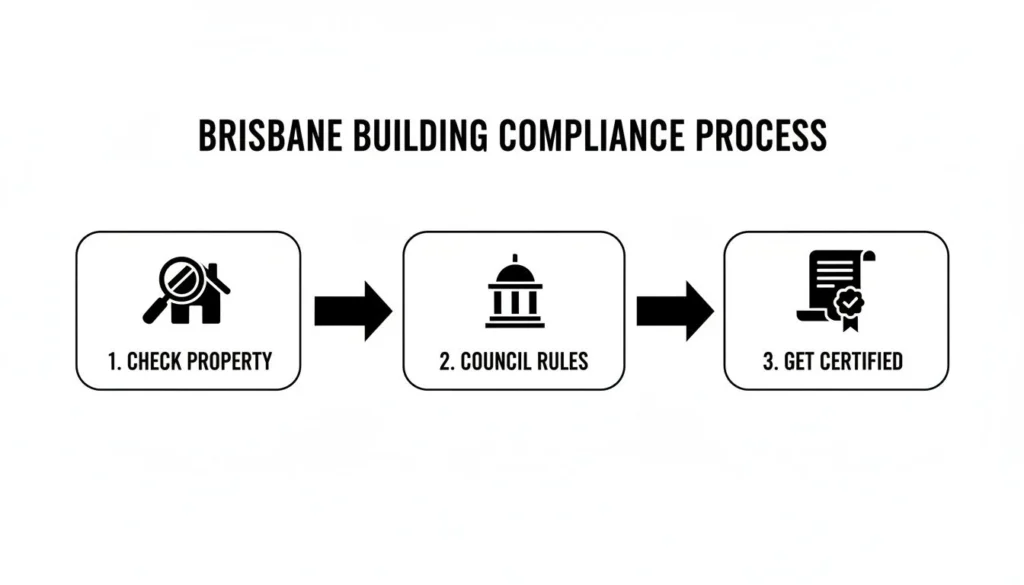
As you can see, every decision impacts the next, which is why getting it right from the beginning is so crucial.
The Advantages of Professional Installation
Choosing a professional installer immediately shifts the project from a high-stakes gamble to a sound investment in your home. These experts bring years of hands-on experience, the right tools for the job, and a deep understanding of Australian building codes.
The biggest thing you get with a professional installation is peace of mind. It’s the confidence that comes from knowing the job is guaranteed to be leak-free and backed by a full product warranty—something often voided by a DIY attempt.
A pro team handles every tricky step with practiced skill, from cutting the opening to making the final electrical connections. They know exactly how to integrate the skylight with your specific roof type, creating a completely weatherproof seal built to last for decades.
Here’s a quick rundown of what a professional installer brings to the table:
- Guaranteed Workmanship: Professionals stand behind their work. They’ll usually offer their own warranty on the installation itself, which sits alongside the manufacturer’s product warranty.
- Building Code Compliance: They ensure the entire installation is up to scratch with strict Australian building regulations, so you won’t have any compliance or insurance headaches later.
- Safety and Efficiency: They have all the right safety gear and know-how to get the job done quickly and without risk to you or your home.
If you’re hiring an expert for your skylight, it might be part of a bigger plan to refresh your home. Many people find it’s a good time to consider other upgrades, like professional home renovation services, to completely transform their space. While a skylight is a specialised job, it’s often one piece of a larger puzzle. Ultimately, professional expertise is the surest way to protect your investment and enjoy your new skylight without a worry in the world.
What to Expect: Costs, Care, and Future Value
Putting an electric skylight in your home is more than just a purchase; it’s a long-term upgrade. It’s important to see the whole picture—from the initial outlay and simple upkeep to the future potential. Think of it less as an expense and more as a lasting improvement that adds real value and keeps your home in step with modern living.
The total investment has a couple of key parts. First up is the skylight unit itself, with the price depending on the size and any extras like built-in blinds. Then you have the professional installation, which is non-negotiable for ensuring a perfect, leak-free fit. Our detailed guide on skylight installation costs gives you a clear rundown of what to expect in the Melbourne area.
Simple Upkeep for Years of Performance
Once your electric skylight is in, it asks for very little to stay in top shape. We build them with robust designs and quality materials made for Australia’s tough climate, but a bit of care really does go a long way.
A basic maintenance routine is super straightforward:
- Regular Cleaning: Keeping the glass clear is key to getting the most daylight. For most homes, a clean once or twice a year is plenty to wash away dust and grime.
- Check the Seals: While you’re cleaning, just give the seals around the frame a quick look to make sure they’re intact and clear of any debris.
- Test the Mechanics: Every now and then, open and close the skylight and any blinds a few times just to check everything is moving smoothly.
It’s one of those things where a little effort makes all the difference. If you’re wondering how often skylights should be cleaned for the best results, that resource offers some great practical advice.
Future-Proofing Your Home with Smart Tech
Choosing an electric skylight isn’t just a decision for today; it’s a smart move for the future. The technology is always getting better, with a big push towards sustainability and seamless smart home integration. This choice puts your home ahead of the curve, ready for future expectations around energy efficiency and connected living.
An electric skylight is more than a current upgrade; it’s a stepping stone toward a smarter, more sustainable home. Innovations like solar power and smart home connectivity are transforming these fixtures into active contributors to your home’s ecosystem.
The drive for decarbonisation here in Australia is fast-tracking the adoption of features like integrated solar panels, which can run the skylight’s motor and blinds completely off-grid. We’re already seeing powerful growth in related products; some reports project the Australian outdoor solar LED market will grow by 28.4% each year between 2025–2030. That trend points to a strong local appetite for solar-integrated building components, making a solar-powered electric skylight a savvy, future-focused investment.
Common Questions About Electric Skylights
Deciding to install an electric skylight is an exciting step, but it’s completely normal to have a few questions before you commit. We get asked these all the time by homeowners across Melbourne and Australia, so we’ve put together some clear, straightforward answers to help you feel confident in your choice.
What Happens If There Is a Power Outage?
This is a really practical question and one of the first things people ask. Since an electric skylight uses mains power for its motor, it will simply stay in its last position if the power goes out—either open or closed—until the electricity comes back on.
The good news is, our models come standard with a rain sensor, which acts as a fantastic safety net. The moment it detects rain, it automatically closes the skylight for you. This means your home stays dry and protected, even if you’re not there or the power is out, offering genuine peace of mind.
How Much Noise Do They Make?
Modern electric skylights are designed to be whisper-quiet. When opening or closing, the motor produces a soft, gentle hum that’s so subtle you’ll barely even notice it. It’s certainly not disruptive.
But the real acoustic benefit comes from the high-performance double glazing. This feature is brilliant at dampening outside noise like heavy rain or traffic. You’ll find it creates a much quieter and more peaceful indoor space compared to older, single-paned skylights.
Can I Install an Electric Skylight on a Flat Roof?
Yes, you absolutely can, but there’s a crucial step involved. To guarantee proper water drainage and prevent any chance of leaks, a skylight needs to be installed on a slight angle. For flat roofs, we achieve this by building a small, raised frame called an upstand or curb.
An upstand creates the necessary slope (a minimum of 3 degrees) for the skylight to sit on. This ensures rainwater flows away from the unit correctly, which is absolutely critical for a weatherproof and long-lasting installation.
Are Electric Skylights Secure?
Security is baked into the design from the very beginning. When an electric skylight is closed, its internal motor and locking mechanism create a tight, secure seal that is very difficult for anyone to tamper with from the outside.
On top of that, the robust frame construction and the laminated inner pane of the double glazing add another tough layer of security. All told, they are a safe and reliable choice for any home.
Ready to bring controlled daylight and fresh air into your home? The team at Vivid Skylights is here to help you choose the perfect electric skylight solution. Explore our full range of models and options today at https://vividskylights.com.au.