

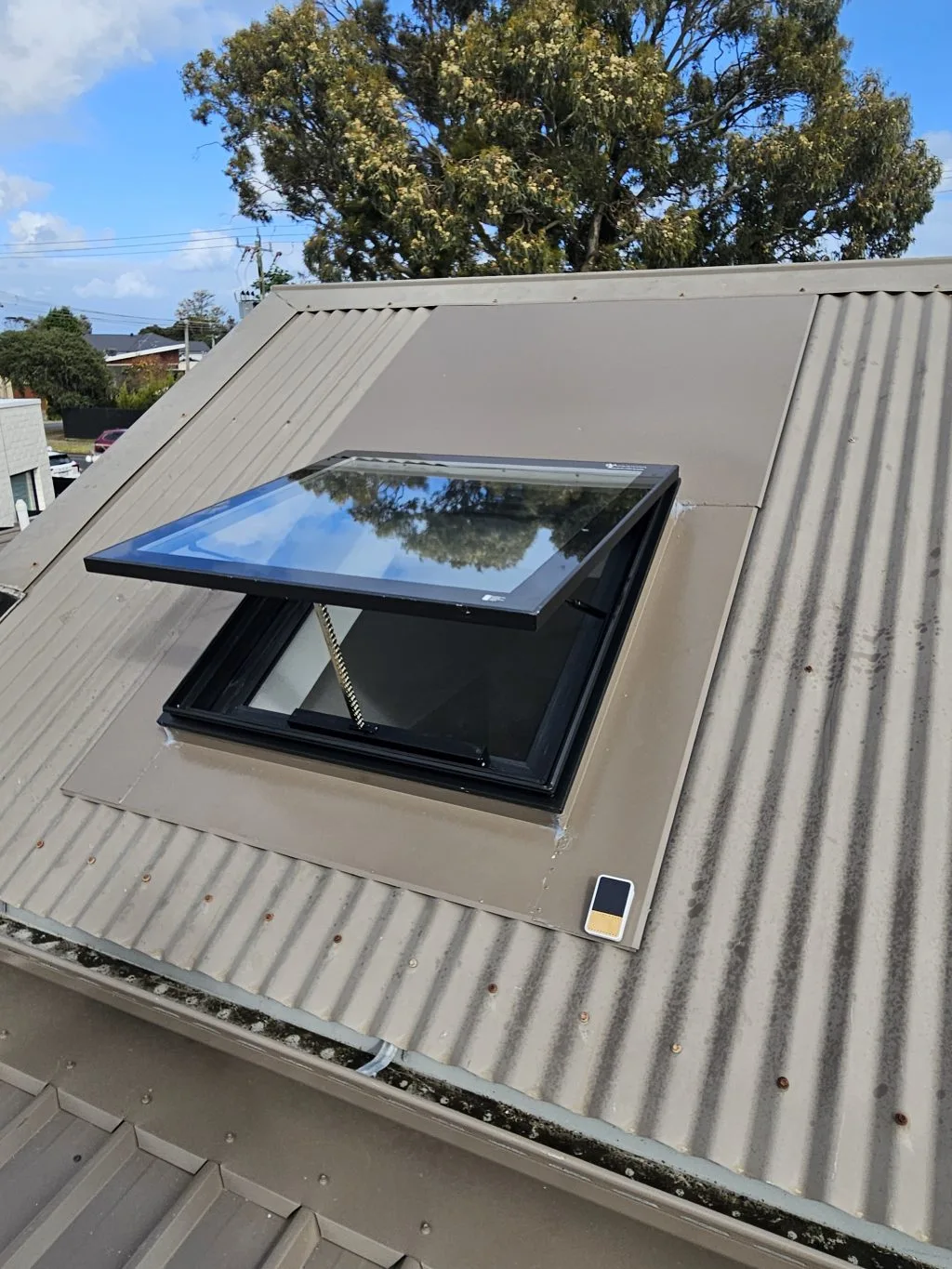
Thinking about adding a solar powered skylight from Bunnings? It’s a great starting point for bringing natural light into your home. But before you head to the checkout, it’s worth understanding the difference between what a big-box store offers and the expertise a specialist provides. Getting this right ensures you get the best performance, features, and long-term value from your investment.
Why Solar Skylights Are Brightening Australian Homes
Australia’s love affair with solar is moving from our rooftops right into the heart of our homes. Solar powered skylights are the next clever step in this evolution, using the sun’s power not just to light up dark spaces, but to actively make them better.
Think of it as a smart, self-sufficient window to the sky. It can transform a dim, windowless room into a bright, welcoming space—all without adding a single cent to your electricity bill.
This isn’t happening in a vacuum. It’s part of a massive national shift. Australia’s rooftop solar revolution has already hit a staggering 20 GW of total capacity, now powering over 11.2% of the country’s entire electricity supply. Solar skylights tap into that same abundant Aussie sunshine, flooding our homes with beautiful, free, natural light.
The Benefits Beyond Brightness
The magic of a solar skylight goes way beyond simply replacing a lightbulb. It completely changes the atmosphere of a room, making it feel bigger, calmer, and more connected to the outdoors. Homeowners are increasingly catching on for a few key reasons:
- Zero-Cost Operation: Because they run on their own little solar panel, features like motorised blinds or rain-sensing openers operate for free. They’re completely off-grid.
- Simple Installation: No need for an electrician to run complicated wiring through your walls and ceiling. This makes installation much more straightforward—a quicker job for a pro, or even a manageable project for a confident DIYer.
- Increased Property Value: Natural light is a huge selling point in real estate. A well-lit home is a more desirable home, and studies show that adding features like skylights can give your property value a healthy boost.
- Improved Wellbeing: It’s no secret that natural daylight is good for us. It’s linked to better moods, higher productivity, and even healthier sleep patterns. A skylight helps turn your home into a more restorative space.
For a deeper dive into these advantages, you can find a heap more information on the core benefits of skylights.
A Smart Step Toward Energy Efficiency
At the end of the day, installing a solar skylight is a fantastic move toward a more energy-efficient home. You’ll use your electric lights far less during the day, which directly lowers your power bills and shrinks your carbon footprint.
If you’re keen to build on that, it’s worth exploring other effective strategies to reduce energy consumption in your home. This guide will walk you through whether a trip to Bunnings or a chat with a specialist is the right path for your skylight project.
How a Solar Powered Skylight Actually Works
A solar-powered skylight might sound high-tech, but the way it works is beautifully straightforward. Don’t just think of it as a window for your roof; see it as a smart, self-sufficient system that’s completely off the grid. It’s its own mini power station, dedicated to one job: controlling light and air in your home.
At its core, the system relies on three key components working together seamlessly: a compact solar panel, a built-in battery, and the smart opening mechanism. This clever trio provides all the automated features you could want without ever needing to call an electrician—a massive advantage over old-school wired models.
The Journey From Sunshine to Function
The whole process is a simple flow of energy. It all starts with the small, high-efficiency solar panel, which is usually mounted right on the skylight’s external frame. This panel is built to capture sunlight all day long, even when the sky is overcast.
Sunlight is made of tiny energy packets called photons. When these photons hit the photovoltaic cells in the panel, they excite the electrons inside, creating a direct current (DC) of electricity. It’s the exact same science behind massive solar farms, just shrunk down for your home. If you’re curious about the science that makes these skylights possible, it’s worth understanding the broader concept of solar power.
From there, the electricity travels to a small, rechargeable battery hidden neatly within the skylight’s frame. This battery is the system’s energy bank, storing power so the skylight can open, close, or power its blinds anytime you need it—day or night, rain or shine.
This simple infographic shows just how dramatically a skylight can change a room’s entire feel.
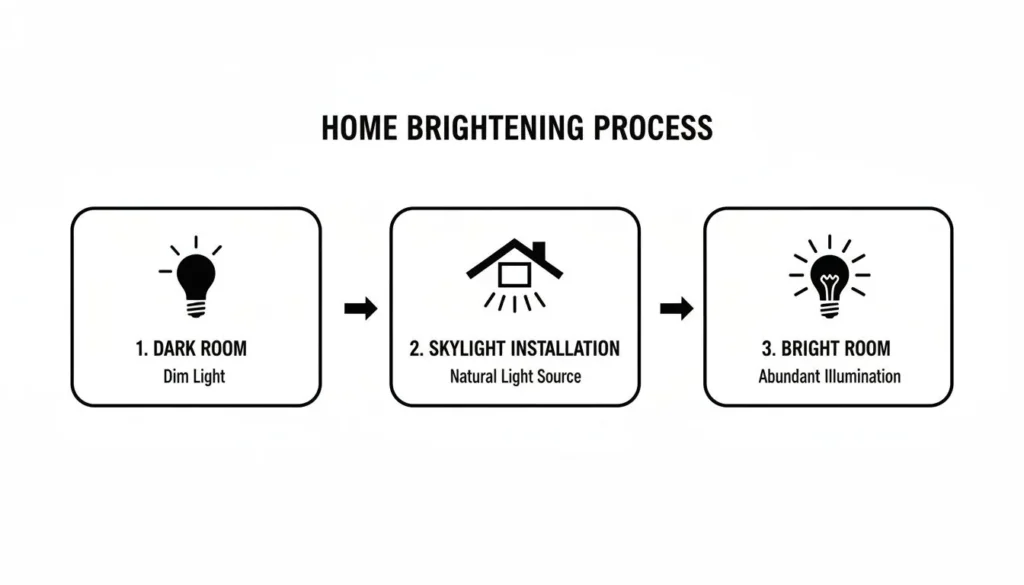
As you can see, introducing natural light does more than just brighten a space—it completely transforms it from a dim corner into a vibrant, inviting part of your home.
Putting Stored Energy into Action
This stored power is what truly sets a solar-powered skylight apart from a simple fixed one. The battery provides the juice for the motor that opens and closes the skylight sash, giving you fresh air at the touch of a button. No more fiddling with long poles or hand cranks.
It also powers the smart features that bring a whole new level of convenience and protection to your home.
The most brilliant feature has to be the rain sensor. This little sensor, mounted on the outside, detects the first drops of moisture and automatically tells the motor to close the skylight. It’s your built-in safeguard against unexpected downpours.
On top of that, this free, stored energy can power fantastic optional extras to complete your setup:
- Fly Screens: Let the fresh air in without inviting every insect in the neighbourhood. An absolute must for any Aussie home.
This combination of parts delivers an experience that just works. While you might see some options at a big-box store like Bunnings, it really pays to look into what specialist models offer.
The real beauty of this design is its total independence. A fully charged battery holds more than enough power to operate the skylight and its blinds for days on end, even without direct sun. This ensures rock-solid performance through those long stretches of cloudy weather. It’s this smart, off-grid operation that makes solar-powered skylights such a practical and efficient choice for today’s homes.
Choosing Your Skylight: Solar vs Electric vs Manual
When you start looking into bringing more natural light into your home, you’ll quickly discover that not all skylights are the same. Your choice really boils down to three main types: solar-powered, electric, and manual. Each has its own set of perks, and picking the right one depends on your budget, your home’s layout, and how you actually plan to use it.
Making the right call means looking past the initial price tag. You’ve got to think about the complexity of the installation, ongoing costs (or lack thereof), energy efficiency, and pure, simple daily convenience. Let’s put these three head-to-head on the factors that truly matter.
The Manual Skylight: A Simple and Basic Option
The manual skylight is the most traditional of the bunch. It’s operated by a physical mechanism—usually a hand crank or a long extension pole—that you use to open and close the window yourself.
Its main draw is its simplicity and lower upfront cost. There are no motors or electronics involved, which makes it a very straightforward piece of kit. However, that simplicity comes with some pretty big practical downsides.
- Accessibility is Everything: If the skylight is installed high up in a vaulted ceiling, reaching it with a pole can quickly become a daily chore. This makes them a poor choice for any out-of-reach spots.
- Zero Automation: You get no smart features. If it starts raining while you’re out, that skylight is staying open unless you’re home to close it.
This option really only makes sense for easily accessible, low-ceiling applications where the budget is the number one priority.
The Electric Skylight: Hardwired Power and Convenience
Electric skylights are a massive step up in convenience. They connect directly to your home’s main power supply, letting you open and close them with a remote control or a wall switch. This is a game-changer for high ceilings where manual operation just isn’t an option.
But this convenience has its price, both for the product itself and the installation. Because it has to be wired into your home’s electrical system, you must hire a licensed electrician for the job. This adds a significant cost and layer of complexity to the installation, turning what could be a simple job into a project requiring multiple trades.
To get a better feel for this option, our guide on the modern electric skylight covers everything you need to know.
The Solar-Powered Skylight: The Smart, Eco-Friendly Choice
This brings us to the solar-powered skylight, which for most modern homeowners, hits the perfect sweet spot. It gives you all the effortless convenience of an electric model but with an installation process that’s far simpler and more cost-effective.
Instead of tapping into your home’s grid, it runs on a small, dedicated solar panel that charges an integrated battery. This self-contained system powers the motor, the remote, and any built-in smart features.
The huge advantage here is that no electrician is required for installation. This immediately simplifies the process and slashes the overall project cost compared to a hardwired electric model. The installation is much more like a manual skylight, but the experience you get is fully automated.
It’s this independence from your home’s grid that makes it such a compelling choice. You get all the benefits of a remote-controlled, automated skylight without the cost and hassle of running new wiring through your walls and ceiling.
To make the differences crystal clear, here’s a quick comparison to help you weigh your options.
Skylight Type Comparison: Solar vs. Electric vs. Manual
| Feature | Solar-Powered Skylight | Electric Skylight | Manual Skylight |
|---|---|---|---|
| Installation | No electrician needed | Requires a licensed electrician | Simple mechanical fitting |
| Operation | Remote control | Remote or wall switch | Manual crank or pole |
| Smart Features | Rain sensor is standard | Rain sensor is standard | Not available |
| Running Cost | $0 (runs on solar) | Minimal electricity use | $0 |
| Best For | High ceilings, convenience, and eco-friendly homes | High ceilings where wiring is straightforward | Low, easily accessible ceilings on a budget |
At the end of the day, understanding these core differences helps you see why the solar model has become the go-to choice for most renovations and new builds. It delivers premium, automated features with the simplest possible installation, giving you the best of both worlds.
Your Pre-Purchase Checklist for Solar Skylights
Ready to make a choice? Whether you’re wandering the aisles at Bunnings or chatting with a specialist, this checklist will help you cut through the noise. Think of it as your guide to asking the right questions and spotting the critical features that separate a good solar skylight from a great one.
It’s tempting to just look at the price tag, but a skylight is a long-term addition to your home. Investing in quality materials and smart design from day one will pay you back in performance, durability, and peace of mind for years to come.
Glazing: The Heart of Performance
The glass is, without a doubt, the most important part of any skylight. It’s what dictates how much light streams in, how much heat stays out, and how well your home stays insulated. Don’t even consider single-pane glass; it’s an outdated choice that practically invites energy loss.
Double-glazing is the non-negotiable standard for modern skylights. It’s simple but effective: two panes of glass separated by a sealed gap filled with air or gas. This setup acts as a thermal barrier, dramatically cutting down on heat transfer. In summer, it helps keep that scorching heat outside, and in winter, it stops your precious warmth from escaping through the roof.
Another game-changer to look for is a self-cleaning coating. This clever treatment is applied to the outside glass and uses the sun’s UV rays to break down organic dirt. When it rains, the water sheets off evenly, taking the grime with it and leaving your skylight sparkling clean without you having to lift a finger.
Frame and Flashing: Built to Last
While the glass manages the light, the frame and flashing are your first line of defence against the elements. The material and finish are crucial for longevity, especially under the harsh Aussie sun. Look for a powder-coated aluminium frame, which offers far better resistance to corrosion, fading, and chipping than standard paint ever could.
The growing popularity of solar street lighting in Australia signals a broader shift towards durable, long-lasting solar tech. This same demand for resilience is showing up in our homes, where robust features like black powder-coated frames, rain-sensing openers, and solid warranties are must-haves for weathering the Australian climate. High-quality additions like these can even improve a home’s appeal and potentially lift its resale value by 7% in solar-savvy markets. You can find more insights on Australia’s solar trends and statistics on green.com.au.
Just as important is the flashing kit. This is absolutely not a one-size-fits-all component.
Your flashing kit must be specifically designed for your roof type—whether it’s corrugated iron, metal deck, or standard tiles. Using the wrong flashing is the number one cause of leaks, so make sure the kit you buy is a perfect match for your roof profile.
The Warranty: What to Really Look For
A warranty is more than just a piece of paper; it’s the manufacturer’s vote of confidence in their own product. A 10-year warranty is a good benchmark, but you need to read the fine print to see what’s really covered.
Here’s what a strong warranty should include:
- Leak-Free Guarantee: This is the big one. It’s a promise that the unit, when installed correctly with the right flashing, will not leak.
- Glass Integrity: This covers defects like seal failure between the double-glazing panes, which can lead to that annoying foggy look.
- Frame and Coatings: You want protection against structural failure or significant fading and peeling of the powder-coated finish.
- Electronic Components: The motor, solar panel, battery, and remote should also be covered, usually for about 3-5 years.
Smart Features and Add-Ons
Finally, think about the features that will make your skylight a joy to use every day. While a basic solar powered skylight from Bunnings might open and close, specialist models often include premium features as standard.
- Integrated Rain Sensor: This should be a default feature, not an expensive add-on. It gives you automatic protection from those unexpected downpours.
- Motorised Block-Out Blind: Absolutely essential for bedrooms, nurseries, or media rooms where you need total light control.
- Fly Screen: A must-have for enjoying fresh air without letting every bug in the neighbourhood inside.
By ticking off these points—double-glazing, a robust frame, the correct flashing, a comprehensive warranty, and smart features—you’ll be well-equipped to make a smart decision. You can confidently choose a skylight that delivers on its promises and adds lasting value to your home.
Navigating Installation: DIY or Call a Professional?
Once you’ve picked out the perfect solar-powered skylight, you’re faced with a big decision: how to get it from the box onto your roof. This isn’t just the last step in the process; it’s a crucial one that determines how well your new skylight will perform for years to come. You have two main paths to choose from—rolling up your sleeves for a DIY project or calling in a professional installer.
The good news is that solar skylights are much simpler to install than their electric cousins. Because they run entirely on their own solar power, there’s no need to mess with your home’s main electrical wiring. This means you can skip calling a licensed electrician, making a solar-powered skylight from Bunnings or a specialist like us a far more approachable project for a confident and skilled DIYer.
But let’s be clear: “approachable” doesn’t mean it’s a walk in the park. Installing a skylight still involves cutting a hole in your roof—the most important shield protecting your home from the elements. Before you decide, it’s vital to be honest with yourself about your skills, the tools you have on hand, and how comfortable you are working at heights.
The DIY Installation Route
If you’ve got solid experience in roofing, carpentry, and general home renovations, installing the skylight yourself can be a fantastic way to save on labour costs. The job follows a pretty logical sequence, but every single step demands precision.
A typical DIY job looks something like this:
- Marking and Cutting: You’ll need to measure and mark the exact spot for the skylight from inside your home, then transfer those measurements to the roof to cut the opening.
- Preparing the Opening: This involves removing roofing materials like tiles or shingles before cutting through the roof decking and your internal ceiling plasterboard.
- Fitting the Frame: The skylight frame needs to be set securely into the opening, making sure it’s perfectly level and aligned.
- Installing the Flashing: This is the most critical waterproofing step. The flashing kit has to be installed just right and integrated perfectly with your roofing material to create a watertight seal.
- Finishing Touches: Finally, you’ll secure the skylight, replace the surrounding roofing materials, and finish the interior light well.
Going down this path requires the right tools, a good understanding of your home’s structure, and a healthy respect for working safely on a roof.
Why Calling a Professional is Often the Smartest Move
While the DIY route is definitely possible, hiring an experienced professional brings several key advantages that offer real long-term peace of mind. For most homeowners, this is the path we’d recommend.
An expert installer brings a level of efficiency and a guarantee of quality that’s tough to achieve on your own. They’ve seen it all before and have the specialised tools to handle any curveballs your roof might throw at them, from tricky pitches to unexpected structural quirks.
The single biggest benefit of professional installation is the guarantee of a weatherproof, leak-free finish. An experienced fitter understands precisely how to integrate the flashing with your specific roof type, which is the key to preventing water damage down the line.
Here’s what you get by hiring a pro:
- Speed and Efficiency: A professional can often have the entire installation done in just a few hours—a fraction of the time it might take a DIYer.
- Guaranteed Workmanship: Reputable installers stand by their work, often providing a warranty on the installation itself. This perfectly complements the manufacturer’s product warranty.
- Safety First: Professionals are trained and equipped to work safely at heights, removing the personal risk you’d take on with a DIY roof project.
Ultimately, the choice comes down to a trade-off: saving money on labour versus investing in the certainty of a flawless, secure installation. A professional ensures your skylight isn’t just a source of beautiful light, but a durable, fully protected part of your home from day one.
Bunnings vs Specialist Retailers: Where to Buy Your Skylight
Deciding where to buy your solar-powered skylight is just as crucial as picking the right model. You’ve really got two main paths: the big-box convenience of a store like Bunnings or the focused expertise of a specialist retailer like Vivid Skylights. Each offers a completely different buying experience, and knowing the trade-offs will help you make the best investment for your home.
Bunnings is the go-to for countless Aussie DIY projects, and for good reason. The convenience is hard to beat—you can walk in, grab a product off the shelf, and have it home the same day. For straightforward projects where a standard solution fits the bill, this model works a treat.
But a skylight isn’t just another item on your hardware list; it’s a significant addition to your home’s roof and structure. It needs to be perfectly suited to your roof type, your local climate, and what you’re trying to achieve with your lighting. This is where the limits of a one-size-fits-all approach start to show.
The Specialist Advantage: Deeper Expertise and a Better Selection
A specialist retailer lives and breathes skylights. It’s not just one product among thousands on a shelf; it’s their entire world. This sharp focus translates into real, direct benefits for you, offering a level of detail you just won’t find wandering the aisles of a huge hardware store.
When you talk to a specialist, you get advice that’s grounded in deep product knowledge. They can walk you through the important decisions, like choosing between eleven different standard sizes to find the perfect fit for your room, instead of being stuck with just a few common options. This ensures your skylight feels like a custom architectural feature, not just a generic add-on.
On top of that, specialists often include premium features as standard.
- Integrated Solutions: Things like motorised block-out blinds, fly screens, and rain sensors are often built-in or seamlessly integrated, not sold as separate add-ons that might not even be compatible.
- Superior Materials: You’re far more likely to find tough, powder-coated aluminium frames and sleek frameless top glazing designed for long-term durability as part of the core product.
- Real Support: From the first chat to after-sales service, the support you get is focused, knowledgeable, and genuinely helpful.
Making the Right Choice for Your Project
So, when does a solar powered skylight from Bunnings make sense? If you’re a seasoned DIYer tackling a simple installation on a standard roof, and your needs just happen to align perfectly with the off-the-shelf model available, then the convenience is a powerful draw.
For most homeowners, though, a skylight is a big enough investment to warrant getting some expert advice. The peace of mind that comes from knowing you’re getting the right size, the correct flashing kit for your specific roof, and a product built to last is invaluable.
In the end, it’s a classic trade-off between convenience and customisation. Big-box stores give you immediacy. Specialists like Vivid Skylights offer a guided, expert-led process that makes sure your new skylight is a perfect, lasting addition to your home. It’s really about choosing the right partner for a project that will be brightening your home for decades to come.
Common Questions About Solar Powered Skylights
Even after you’ve weighed up the options, it’s completely normal to have a few last-minute questions before you commit. We get it. To help you feel confident in your decision, here are some straightforward answers to the questions we hear most often from homeowners.
What Happens on Cloudy Days?
This is probably the biggest concern we hear: will my skylight still work when the sun isn’t shining? The short answer is yes, absolutely. Quality solar powered skylights are designed for exactly this scenario. They come with a built-in, high-capacity battery that stores up any excess power generated on those bright, sunny days.
A fully charged battery typically holds enough juice to operate the skylight and its motorised blind for several days of overcast weather. This means you get consistent, reliable performance whenever you need it, regardless of what the weather is doing outside.
Do They Work on South-Facing Roofs?
They sure do. While a north-facing roof here in Australia is the sweet spot for direct sun exposure, modern solar panels are incredibly efficient. They’re sensitive enough to generate a charge from ambient and indirect daylight alone.
So, even if your roof faces south, the solar panel will still be able to trickle-charge the battery effectively. The only exception might be for roofs with heavy, constant shade from large trees or a neighbouring building. In that case, it’s always a good idea to chat with a specialist to make sure the placement will get enough light.
The key takeaway here is that solar skylights are built for real-world conditions, not just perfect postcard weather. Their design ensures they work across different roof orientations and weather patterns, making them a seriously practical choice for most Aussie homes.
How Much Maintenance Do They Need?
Here’s some good news: solar skylights are engineered to be incredibly low-maintenance. Many top-tier models, like ours, feature self-cleaning glass. This is a special coating that uses rainwater to wash away dirt and grime, keeping your view crystal clear without you having to lift a finger.
Beyond that clever feature, the only thing you might need to do is an occasional check to make sure the area around the skylight is clear of leaves or debris that could block the solar panel. For most homeowners, this makes them a genuine “set and forget” addition to their home.
Ready to bring beautiful, natural light into your home with a solution that’s both smart and simple? Explore the premium range of solar powered skylights at Vivid Skylights and find the perfect fit for your space. Discover our skylight options today.