


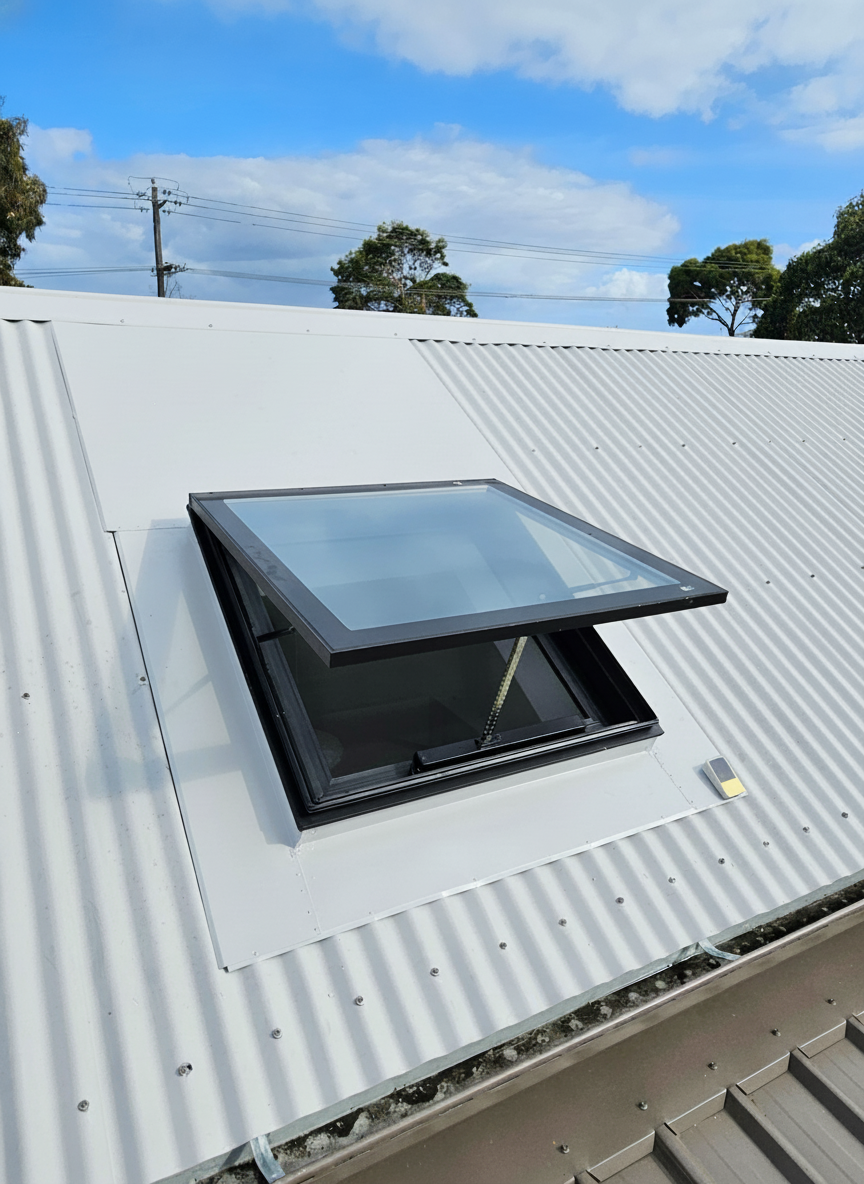
 Ever thought you could flood your home’s darkest corners with natural sunlight, controlled by a remote, without adding a single cent to your power bill? That’s the simple promise of a solar-powered skylight, a clever solution that’s becoming a favourite for Australian homeowners. It takes the timeless appeal of a traditional skylight and pairs it with modern, wire-free convenience.
Your Guide To Going Solar On The Roof
A solar-powered skylight is much more than just a window on your roof; it’s a completely self-sufficient system designed for the way we live today. Forget the technical jargon—what it really delivers are practical benefits, using free solar energy to power features like an automated opener and a smart rain sensor. This completely eliminates the need for complex and costly electrical work, making it a perfect choice for renovations.
This guide will walk you through how this technology works, its real-world benefits for Melbourne households, and why it’s fast becoming the go-to choice for smart, sustainable home upgrades. We’ll give you a complete look at how the system operates, the financial perks, and why products from specialists like Vivid Skylights are changing how we think about natural light.
The Rise of Solar Technology in Australia
Australia’s love affair with solar energy sets the perfect stage for adopting solar-powered skylights. Most of us are already comfortable with the idea of solar panels on our roofs, so this feels like a natural next step. The country’s massive uptake of rooftop solar shows there’s a real appetite for energy-efficient home improvements that cut down electricity costs.
With millions of solar installations already in place, the technology has well and truly proven its reliability and financial benefits. This widespread acceptance helps homeowners see a solar-powered skylight not just as a design feature, but as a logical part of a smarter, more energy-independent home. As of 2024, rooftop solar supplied roughly 12.4% of the nation’s total electricity, showing just how integrated this technology has become in Australian life. You can explore more data on Australia’s solar boom on Green.com.au.
A solar-powered skylight offers the best of both worlds: the timeless appeal of natural daylight and the smart, cost-free operation of modern solar technology. It’s an investment in your home’s comfort, value, and sustainability.
How Does a Solar Powered Skylight Actually Work?
It might seem like a bit of magic, but the tech behind a solar powered skylight is surprisingly straightforward and clever. Think of it as a self-sufficient smart device for your roof. It combines a few key components that work in harmony to bring daylight and fresh air into your home, all without touching your household electricity bill.
It all starts with a small, high-efficiency solar panel built right into the skylight’s external frame. This panel’s only job is to soak up sunlight all day long, quietly converting the sun’s rays into usable electrical energy.
This simple diagram shows the core process of how sunlight becomes effortless control for your skylight.
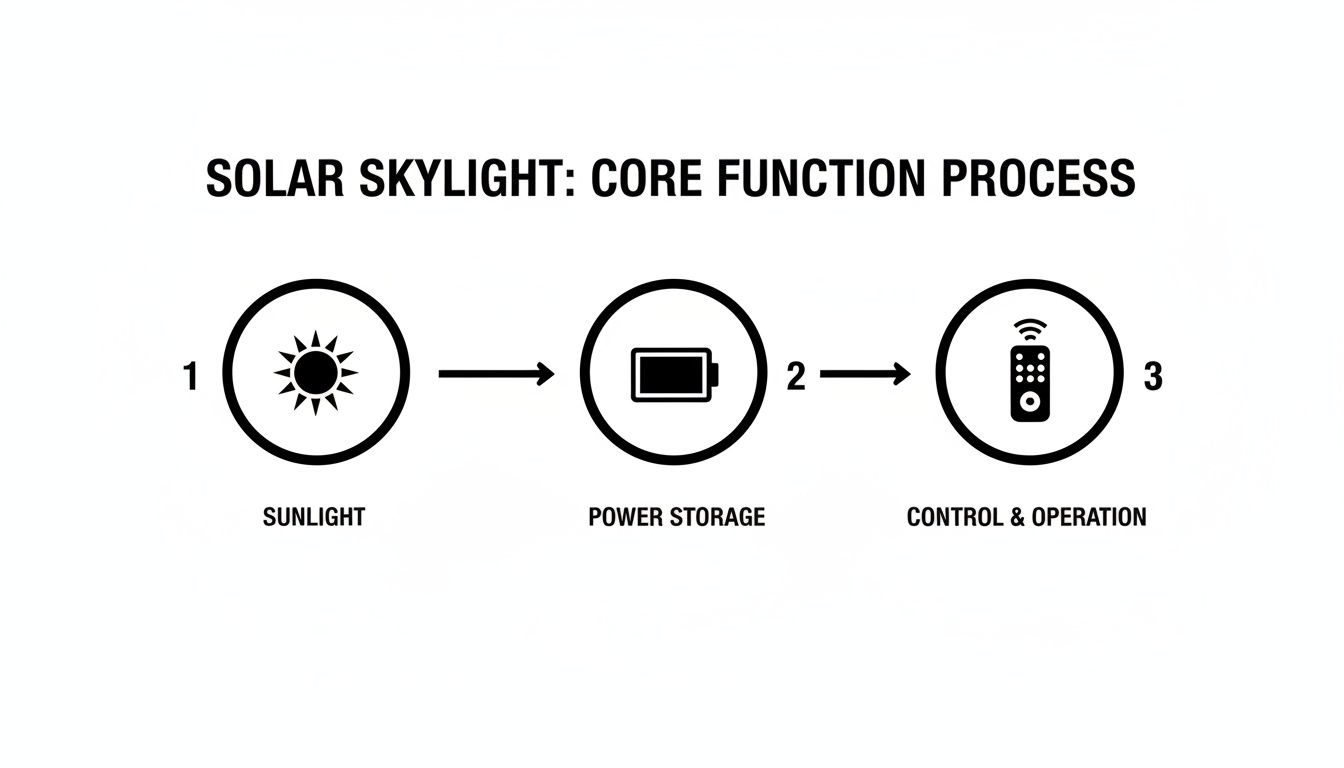
As you can see, it’s a completely self-contained system that runs entirely on free, clean energy from the sun.
The Powerhouse: An Integrated Battery
The energy captured by the solar panel isn’t used straight away. Instead, it gets channelled into a compact, rechargeable battery tucked away inside the skylight. This battery is like a power bank, storing up solar energy for whenever you need it.
This stored power is what makes the whole system so reliable. It ensures your solar powered skylight works perfectly, no matter the weather or time of day. You can open or close it on an overcast Melbourne afternoon, in the middle of the night, or even if the power goes out. It’s genuine energy independence, 24/7.
The Motor and Smart Controls
When you hit the ‘open’ button on the remote, it sends a signal to the skylight’s control unit. This unit then draws a small amount of power from that battery to activate a quiet, low-voltage motor. This motor is the real workhorse, smoothly opening the skylight to let in a breeze or closing it securely to seal out the weather.
Tying it all together are the smart controls, which make the whole experience effortless. The main parts are:
- Handheld Remote Control: This gives you direct command over the skylight. Open it, close it, or stop it in any position with the simple press of a button.
- Integrated Rain Sensor: An absolute must-have for peace of mind. This clever little sensor automatically closes the skylight the second it detects rain.
The rain sensor is a true ‘set-and-forget’ feature. It reacts to the first few drops of rain, triggering the motor to secure the skylight immediately. It protects your home without you having to lift a finger.
The Brains of the Operation: The Rain Sensor
The automatic rain sensor is really the standout feature of any quality solar skylight. Models like those from Vivid Skylights use advanced piezoelectric sensors that are incredibly responsive.
Instead of waiting to get wet, this sensor actually detects the specific acoustic vibrations caused by raindrops hitting its surface. These vibrations generate a tiny electrical signal that tells the control unit to close the skylight—instantly. This means your home stays dry even during those sudden Melbourne downpours, giving you the confidence to leave it open for ventilation.
While these systems are brilliant for natural light and airflow, for those tricky spots without direct roof access, you might also want to look into something like a solar LED skylight alternative.
Ultimately, these components—the solar panel, battery, motor, and smart controls—create a sophisticated yet beautifully simple system. They work in perfect harmony to give you complete, wire-free control over your home’s light and ventilation, all powered by the sun.
Comparing Fixed, Electric And Solar Skylights
Choosing the right skylight for your home means weighing up a few key factors. To make sense of it all, it helps to put the three main options side-by-side: the simple fixed skylight, the traditional electric model, and the modern solar powered skylight. The best choice really comes down to what you need in terms of day-to-day use, how complex you want the installation to be, and your budget for both the install and long-term costs.
A fixed skylight is the most basic of the trio. Think of it as a sealed window for your roof, designed purely to let in beautiful natural light. It can’t be opened for ventilation, which makes it a great choice for areas like hallways or stairwells where extra light is the only goal.
An electric skylight takes things up a notch, giving you the ability to open and close it with a switch. This is fantastic for ventilation, but it comes with one big string attached: it has to be hardwired into your home’s electrical system. That single requirement adds a fair bit of complexity and cost to the installation.
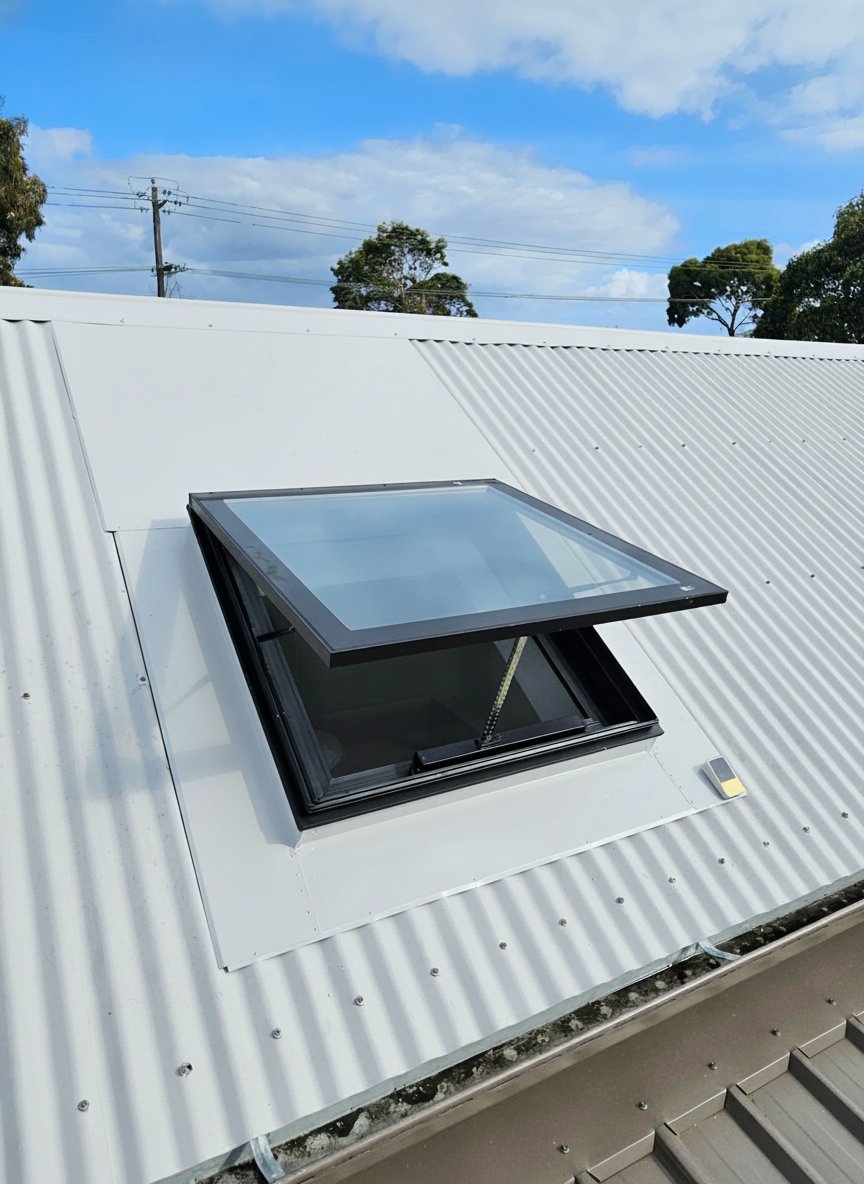
Installation Complexity And Cost
This is where you’ll find the biggest difference between the models. A solar powered skylight is a true game-changer because it operates entirely on its own, completely separate from your home’s power grid.
- Fixed Skylights: These are the most straightforward to pop in. A roofer or builder can fit one without needing to call an electrician, which keeps the installation costs down.
- Electric Skylights: The installation here is a whole different story. It requires a qualified electrician to run wiring from your mains power, chase it through walls and ceilings, and connect it to the skylight unit. This almost always means you’ll need a plasterer and painter to patch things up afterwards, adding extra time and expense to the job.
- Solar Powered Skylights: Installation is as simple as a fixed model. Because it’s a self-contained unit powered by its own little solar panel, no internal wiring is needed. This completely cuts out the cost and headache of hiring an electrician and dealing with wall repairs, making the whole process much faster and more affordable.
The fact that there’s no internal wiring is the single biggest advantage of a solar powered skylight. It dramatically simplifies the installation, saving homeowners hundreds, and sometimes thousands, of dollars in trade costs for electricians and plasterers.
Functionality And Everyday Use
Beyond the installation, it’s worth thinking about how you’ll use your skylight day-to-day. A fixed skylight offers a ‘set-and-forget’ approach to daylight, but its functionality pretty much ends there.
Both electric and solar models deliver the massive benefit of ventilation, letting you flush out stale, hot air and welcome in a fresh breeze. This can make a huge difference to your reliance on air conditioning during those warm Melbourne months. The real difference is their power source. While an electric model will add to your energy bill, a solar powered skylight operates at zero running cost—it’s all powered by free energy from the sun.
For a deeper look into wired models, you can learn more about the specifics of an electric skylight here. Solar models also come standard with a rain sensor, which automatically closes the skylight at the first hint of rain. It’s a brilliant feature that gives you total peace of mind.
Skylight Comparison: Fixed vs Electric vs Solar Powered
To make the choice crystal clear, we’ve put together a simple table that breaks down how the three skylight types stack up against each other. This gives you a quick snapshot of what to expect from each option.
| Feature | Fixed Skylight | Electric (Wired) Skylight | Solar Powered Skylight |
|---|---|---|---|
| Daylighting | Excellent | Excellent | Excellent |
| Ventilation | None | Yes, remote/switch operated | Yes, remote operated |
| Installation | Simple (no electrician) | Complex (requires electrician & plasterer) | Simple (no electrician) |
| Running Costs | None | Adds to electricity bill | Zero running costs |
| Rain Sensor | Not applicable | Often included | Standard feature |
| Power Outages | Unaffected | Will not operate | Fully functional |
When you look at the whole picture, the solar powered skylight clearly comes out on top as the most versatile and cost-effective choice for most modern homes. It gives you all the amazing benefits of a high-end electric model but gets rid of the complicated, pricey installation and any ongoing energy bills. It’s the perfect blend of natural light, fresh air, and smart, sustainable tech.
The Real Benefits Of A Solar Skylight
So, beyond the nuts and bolts, what does a solar powered skylight actually do for your home and your daily life? It’s about more than just putting a window in your roof. This is a genuine upgrade to your living environment, your budget, and even your home’s future appeal. Let’s get into the real-world perks that homeowners tell us about all the time.
Effortless Home Ventilation
One of the first things you’ll notice is how easy it is to manage your home’s airflow. With a simple remote, you can open the skylight to create natural circulation, flushing out stuffy, stale air and letting in a fresh breeze.
This creates what’s often called a “thermal chimney effect,” letting hot air—which naturally rises—escape right out the roof. It’s a simple trick that can seriously cut down your reliance on the air conditioner during those warm Melbourne months, making your home more comfortable while lowering your energy bills. It’s also brilliant for getting rid of cooking smells, moisture, and other airborne nasties.
The ability to instantly ventilate a room transforms its comfort level. It’s not just about cooling; it’s about creating a healthier, fresher space to live in, all with the simple touch of a button.
True Energy Independence
A huge win for a solar powered skylight is the money it saves, both right away and down the track. The biggest saving is upfront, during installation. Because the unit doesn’t need any internal wiring, you completely sidestep the cost of hiring an electrician—often a hefty chunk of the budget for a traditional electric skylight.
This wire-free design also means no need for plasterers or painters to patch up walls and ceilings afterwards. The savings just keep rolling in from there, since the skylight runs entirely on free, clean energy from the sun. It draws zero power from your home’s grid, which means it will never add a single cent to your electricity bill. This is one of the most practical benefits, tying in perfectly with broader home energy efficiency tips.
Boosting Home Appeal And Value
Natural light is a massive selling point for homebuyers. A home that feels bright, airy, and open is always going to feel more appealing than one that’s dark and cramped. By flooding a room with daylight, a skylight can make a space feel larger and more welcoming, completely changing the vibe of a once-dim area.
This isn’t just about looks; it adds real, tangible value to your property. Smart, modern features like remote controls and automatic rain sensors are seen as premium upgrades that catch the eye of savvy buyers. They show that a home has been thoughtfully updated with convenient and sustainable tech.
- Architectural Enhancement: A skylight adds a touch of architectural class, creating a beautiful focal point that highlights a room’s best features.
- Increased Marketability: In a competitive real estate market, a home filled with natural light and smart, energy-saving features really stands out.
- Perceived Value: Potential buyers often link natural light and modern comforts with a better quality of life, which translates directly to a higher perceived value for the property.
At the end of the day, installing a solar powered skylight is an investment that pays you back in so many ways. It improves your comfort, cuts your energy costs, and makes your home a more valuable and desirable asset for the future.
Is A Solar Skylight Right For Your Home?
It’s one of the first questions homeowners ask: “Will a solar skylight actually work on my roof?” The great news is that modern designs, like the ones we’ve developed at Vivid Skylights, are engineered for incredible versatility. This makes them a practical and effective upgrade for the vast majority of Australian homes.
Whether your Melbourne home has a classic tiled roof or a contemporary metal one, a solar-powered skylight can be installed securely and seamlessly. They are designed to work across a huge range of roof pitches—from nearly flat, low-pitch roofs right up to steeper angles—ensuring a perfect fit for almost any architectural style.
Compatibility With Australian Roofs
Figuring out if your roof is suitable is the first step, and thankfully, it’s pretty straightforward. Any quality solar skylight system will come with a custom-designed flashing kit, which is the secret ingredient to a professional, leak-free installation.
- Tiled Roofs: For tiled roofs, the flashing kits are specially shaped to fit snugly around the contours of your tiles. This creates a completely weatherproof barrier that channels rainwater away from the skylight.
- Metal Roofs: If you have a metal or corrugated iron roof, the flashing is designed to integrate perfectly with the ribs and pans of the sheeting, guaranteeing a secure seal against the elements.
This adaptability means a solar skylight isn’t just for a specific type of house; it’s a flexible solution that can bring natural light and ventilation into almost any property.
Key Features For The Melbourne Climate
Living in a city famous for its “four seasons in one day” means your home needs to be able to handle anything the weather throws at it. A modern solar-powered skylight is built with exactly this in mind, incorporating two critical features for year-round comfort and total peace of mind.
The first is high-performance double glazing. This isn’t just standard glass. It’s a sealed unit with two panes separated by a layer of inert gas, which acts as a powerful thermal barrier. It helps keep your home warmer in winter and cooler in summer—an absolute must for Melbourne’s notoriously variable climate.
The second crucial feature is the built-in rain sensor. This smart little component provides true ‘set-and-forget’ functionality. The moment it detects the first drops of rain, it automatically closes the skylight, protecting your home from sudden downpours without you ever having to lift a finger.
A Look At The Broader Solar Trend
The shift towards solar-powered solutions in our homes isn’t happening in isolation. It’s part of a much larger national trend where businesses and councils are investing heavily in solar infrastructure to combat rising electricity costs. In 2024 alone, Australia added an impressive 4.7 GW of new solar capacity, pushing the national total beyond 40.7 GW.
This massive growth shows a clear and accelerating shift towards smart, energy-saving technologies. It’s a trend that makes a solar-powered skylight a logical and forward-thinking addition to any home. You can find more insights on the national solar market in the 2025 SunWiz PV Market Report.
Ultimately, a solar-powered skylight is designed to be a highly practical and effective solution for almost any homeowner. Its compatibility with different roof types, combined with features tailored for unpredictable weather, gives you the confidence that you’re making a smart, durable, and valuable upgrade to your property.
Understanding The Cost And Long-Term Value
When you’re thinking about a home upgrade, the conversation always comes around to cost versus value. A solar powered skylight isn’t just another expense; it’s a smart investment in your home. Once you understand the financial breakdown, its true worth really shines through.
The initial price isn’t just for a pane of glass. It’s for a complete, self-sufficient package. You’re getting the double-glazed skylight unit itself, a custom flashing kit to create a weatherproof seal, a handy remote control, and a clever integrated rain sensor for total peace of mind. Everything you need for a clean installation is right there in the box.
The Hidden Costs Of Wired Skylights
To really appreciate the value of a solar skylight, you have to compare it to its wired cousin. A traditional electric skylight might look similar on paper, but the total installation cost can be a whole different story. Why? Because it needs a licensed electrician to run wiring from your home’s main power supply, often snaking it through walls and ceilings.
Suddenly, you’re looking at a bunch of extra costs that add up fast:
- Electrician Fees: You’ll need a qualified sparky to safely hook the unit up to your home’s grid.
- Plastering and Patching: Running wires usually means cutting into your ceiling, which then needs to be professionally plastered and repaired.
- Painting: Once the plaster is dry, that repaired patch needs to be repainted to blend in with the rest of the ceiling.
These extra trade costs can easily add hundreds, sometimes even thousands, of dollars to the final bill. What started as a comparable project can quickly become a much bigger financial commitment. For a deep dive into these numbers, you can check out this guide on skylight installation costs.
Calculating Your Return On Investment
The return you get from a solar powered skylight goes way beyond just saving a few dollars on your power bill. While you’ll definitely spend less on artificial lighting and maybe even air conditioning, the real value comes from the immediate savings on installation and the long-term boost to your property’s appeal.
Because it runs entirely on free energy from the sun, there are zero ongoing running costs. Absolutely none. Combine that with the significant installation savings, and the total cost of ownership becomes incredibly attractive. Plus, the modern convenience and stylish look of a skylight can genuinely increase your home’s market value, making it a powerful asset if you ever decide to sell.
Think of a solar powered skylight not as a one-off purchase, but as a durable, long-term asset. Its ‘set-and-forget’ nature means it adds value from day one with minimal ongoing attention required.
Modern skylights are built to last with very little fuss. Features like self-cleaning glass, which uses sunlight and rain to break down dirt, and tough powder-coated aluminium frames mean they require next to no maintenance. This durability ensures your investment keeps paying you back in comfort, style, and property value for many years to come, cementing its place as a truly smart and cost-effective home improvement.
Got Questions? We’ve Got Answers
Even after digging into the details, it’s natural to have a few practical questions about how a solar powered skylight will fit into your daily life. We hear these queries all the time from Melbourne homeowners, so we’ve put together some straightforward answers to help you feel confident about your choice.
Will My Solar Powered Skylight Work on Cloudy Days?
Yes, it absolutely will. The best way to think about it is like a power bank for your phone. The small, integrated solar panel quietly charges a built-in battery all day long, storing up energy for when you need it.
This means you have a reliable reserve of power to open or close the skylight on those classic overcast Melbourne days, at night, or even if the power goes out. You get 24/7 control, completely independent of the weather or your home’s main electrical grid.
What Happens If It Rains When My Skylight Is Open?
You don’t have to do a thing. Every quality solar skylight, including our Vivid Skylights models, comes standard with a built-in rain sensor. It’s a clever little feature that acts as a failsafe against Melbourne’s famously unpredictable weather.
The second the sensor detects moisture, it automatically triggers the motor to close the skylight, sealing it tight. It’s a true ‘set-and-forget’ function that gives you total peace of mind. You can leave the skylight open for a bit of fresh air and know it will shut itself if the weather turns.
Is a Solar Skylight Difficult to Install?
Not at all—in fact, the simple installation is one of its strongest selling points. A solar powered skylight is far easier and cheaper to install than a traditional electric one for one key reason: no internal wiring.
This detail is a huge win for your renovation budget. Because there’s no need to hire an electrician to run cables through your ceiling and walls, you skip a significant cost. You also avoid the mess and expense of having to patch up plasterboard and repaint afterwards. Any qualified roofer or builder can handle the installation from start to finish.
Ready to bring effortless natural light and ventilation into your home? Explore the full range of options at Vivid Skylights and find the perfect fit for your space. Discover our solar powered skylights today.