

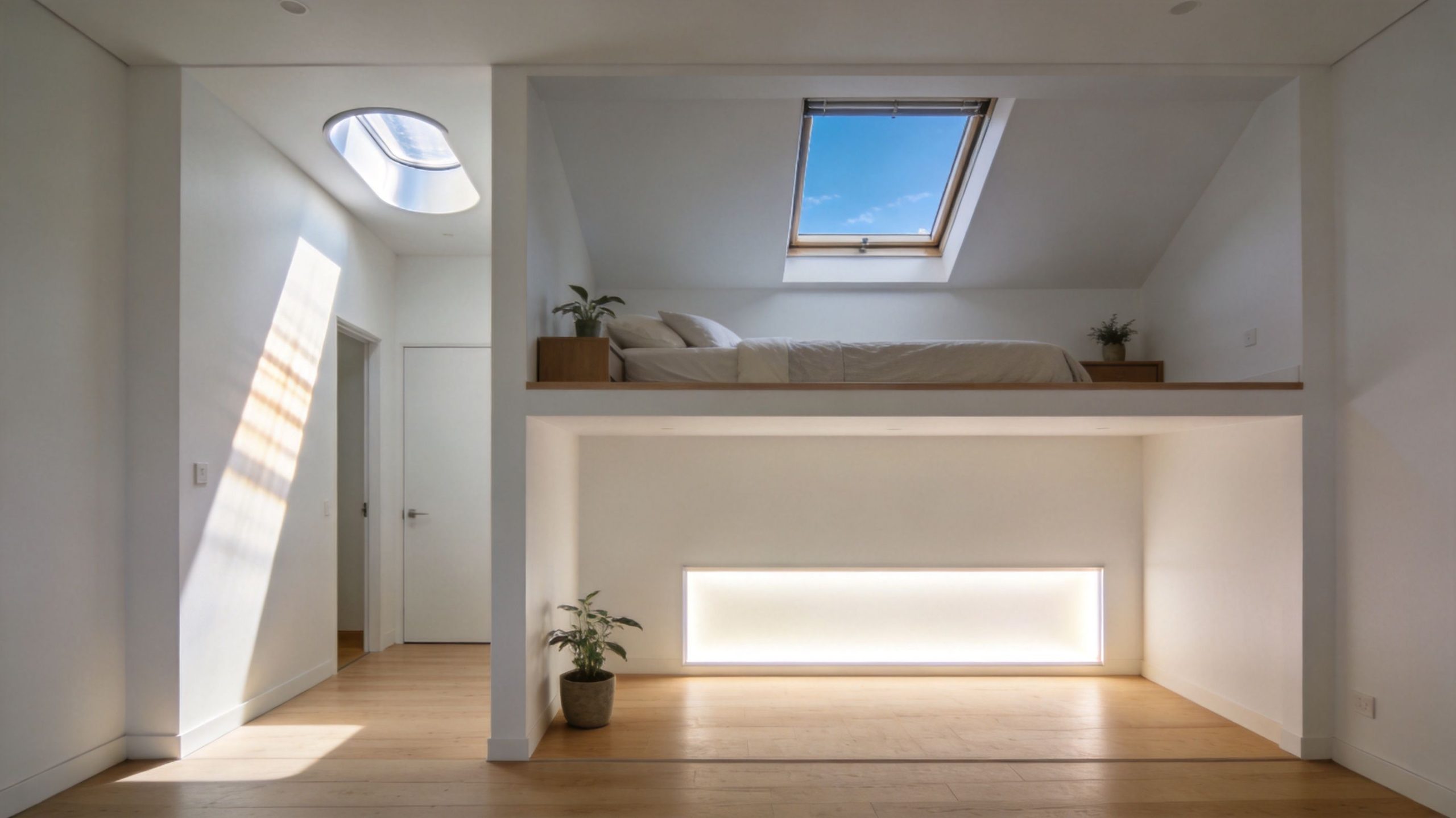
Many homeowners begin their journey in the same spot. Often, one specific room never feels quite right. It could be a hallway that requires artificial lighting by midday, an internal bathroom that feels dull despite a renovation, or a ground-floor room beneath a second storey where a traditional skylight isn't possible. You desire the atmosphere of natural light, rather than just increased brightness.
That's where choosing the right alternative to skylight matters. Some options bring real daylight from the roof. Others improve ventilation. Certain choices solve layout problems that a conventional skylight can't. And some only look good on paper until you consider roof framing, ceiling access, glare, or how the light will feel at 4 pm in winter.
The practical answer depends on your home, not the trend. Roof pitch, ceiling cavity, storeys above, budget, and whether you want sky view, airflow, or a brighter room all change the recommendation. I've found that homeowners make better decisions when they compare options against the benchmark first, then work backwards from the constraint.
Table of Contents
How to Choose Your Skylight Alternative A Decision Checklist
Bringing Light to Impossible Spaces
Most homes have at least one dead zone for daylight. In older layouts, it's often a central corridor or internal bathroom. In newer homes, it's just as often a walk-in robe, pantry passage, or ground-floor room boxed in by a second level above.
That frustration is real because ceiling lights don't solve the whole problem. They brighten a space, but they don't change how the room feels. Daylight gives depth, shadow, softness, and a sense of connection to time of day that standard fittings usually miss.

Where the usual skylight plan breaks down
The biggest obstacles are usually practical, not aesthetic:
Blocked roof access: An upper floor, service cavity, or complex truss layout can make a direct roof opening unrealistic.
Room position: Internal rooms often sit too far from a clean roof path for a full shaft.
Budget pressure: Structural changes, plaster repair, and finishing can push a straightforward idea into a bigger project.
Roof form: Low-pitch sections, hips, valleys, and crowded roof planes can limit what fits neatly.
If you're weighing options for a renovation, it can help to look at adjacent design disciplines too. The way how Vancouver renovators handle home lighting is a useful reminder that good lighting decisions combine architecture, surface reflection, room use, and fixture choice rather than relying on one product alone.
Some rooms don't need “more lights”. They need a source of light that feels believable in the space.
For rooms that stay gloomy despite repainting and upgraded fittings, it helps to review proven natural light solutions for dark rooms before committing to a ceiling plan. The right answer might be a traditional skylight, a tubular unit, a roof window, or a non-roof alternative that still creates the visual effect of daylight.
The Gold Standard Why Traditional Skylights Reign Supreme
A homeowner usually knows the difference the first morning after installation. The kitchen, living room, or stair void does not just look brighter. Light arrives from above, shadows soften, and the room feels more connected to the roofline. If the structure allows a proper roof opening, a traditional skylight is still the best result money can buy.
That matters because every alternative in this article is solving a constraint. A full skylight is the benchmark. It delivers the most convincing natural light, the strongest architectural effect, and, in venting models, real help with heat and stale air in rooms that tend to trap both.
Why the full skylight still wins
A well-specified skylight improves a room in three ways at once:
Daylight quality: It brings in direct overhead daylight with depth and variation through the day. That is hard to replicate with diffused systems.
Ventilation potential: Operable units can release built-up warm air from kitchens, bathrooms, raked ceilings, and upper-storey spaces.
Design value: It reshapes how the ceiling reads, which is why a good skylight often feels like part of the architecture rather than an added fitting.
In practice, the best-performing units use insulated glazing, dependable flashing kits, and frame details that suit the roof pitch and roofing material. Older assumptions about skylights often come from cheap acrylic domes or poor installs. A quality modern unit is a different product category.
I also tell homeowners to judge the whole assembly, not just the glass. Shaft depth, orientation, summer sun exposure, ceiling height, and installer skill all affect the result. A premium skylight fitted badly will disappoint. A well-chosen skylight fitted properly usually sets the standard that every substitute gets compared against.
What works in practice
Double glazing is the starting point for most homes now. In bushfire-prone, coastal, or high-heat locations, glass specification and flashing quality matter even more. Electric or solar operation is worth the extra spend in high ceilings or wet areas because a venting skylight only helps if people can use it.
For homes where a full unit may still be possible but space is tight, it helps to compare the light quality and installation path against modern tubular skylight options. That comparison usually makes the trade-off clear. Tubular systems solve access problems well, but they do not replace the visual effect of a proper skylight in a main living area.
Practical rule: If the room has a clear roof path and your budget can support proper flashing, plaster repair, and finishing, test a traditional skylight first. It remains the gold standard for believable natural light.
For homeowners assessing the wider roof build-up, this Colorado Springs sustainable roof installation guide is a useful companion read because it looks at skylights as one part of roof performance. That is the right lens. Waterproofing, insulation continuity, glazing choice, and installation quality decide whether a skylight feels premium for years or becomes a callback problem.
Alternative 1 Tubular Skylights for Tricky Paths
A tubular skylight is often the best alternative to skylight when the ceiling space is tight and the room itself is small. These units collect daylight at roof level, send it down a reflective tube, and soften it through a ceiling diffuser. They don't create the same architectural statement as a full skylight, but in the right room they solve a very specific problem well.
They're especially useful in hallways, laundries, compact bathrooms, and robes where a larger shaft would be difficult or excessive.

Where tubular units make sense
Tubular systems work because the tube can often maneuver around obstacles that would complicate a full skylight shaft. That flexibility matters in real roofs where trusses, ducting, and plumbing don't leave a neat straight run.
A few strengths stand out:
They suit narrow spaces where a standard skylight opening would dominate the ceiling.
They're less visually demanding in service areas and transitional spaces.
They can be easier to fit when roof framing is awkward.
The trade-off is light character. Tubular skylights usually give a softer, more diffused result. That can be excellent in a hallway or ensuite. It's less convincing in a living area where people want sky presence, broader spread, and a stronger sense of openness.
What they don't do as well
If you want ventilation, a tube won't replace an operable skylight. If you want a visible connection to the sky, it won't provide that either. And if the room is large, the ceiling diffuser can look undersized relative to the amount of light you hope to gain.
A good way to think about it is this:
| Room type | Tubular skylight fit |
|---|---|
| Hallway | Strong fit |
| Small bathroom | Strong fit |
| Walk-in robe | Strong fit |
| Kitchen | Sometimes suitable |
| Open-plan living | Usually a compromise |
For homeowners considering this path, the main question isn’t whether tubular skylights work. They do. The essential question is whether diffused daylight is enough for the room you’re trying to improve. If yes, they can be a very smart solution. If not, they often become a stepping stone rather than the final answer.
This product category is worth reviewing in more detail through tubular skylight options for Australian homes, especially if your priority is getting roof light into a space with minimal disruption.
A quick visual explainer helps show how these systems route light through constrained cavities:
Alternative 2 Roof Windows for Usable Attic Spaces
You feel the difference straight away in an attic room. The ceiling is within reach, the roofline shapes the space, and a fixed skylight can feel like only half the answer. In that situation, a roof window often suits the room better because it gives you daylight, airflow, and an actual outward view.
That does not make it a better product than a high-quality traditional skylight in general. Traditional skylights are still the gold standard when the goal is to draw strong natural light deep into the home. Roof windows earn their place when the room itself sits under the roof and people will use the opening like a window.
Roof window versus skylight
The choice usually comes down to how the room is built and how you plan to live in it.
A traditional skylight is usually the stronger option for bringing overhead daylight into rooms below the roof.
A roof window suits spaces with a raked ceiling where the unit sits within reach.
A roof window makes more sense if you want regular ventilation, a line of sight outside, or an opening that becomes part of the room’s everyday use.
That distinction matters in loft conversions, finished attic bedrooms, and top-floor studios. In those spaces, the roof is not just a surface above the room. It is part of the room.
The practical trade-offs
Roof windows are useful, but they are less forgiving than skylights. Placement has to work with furniture, head height, and how people move through the space. A window installed too low can affect usable wall area. Too high, and it becomes harder to operate and clean.
Weatherproofing also needs careful attention. Because the unit opens, flashing, pitch suitability, and installation quality matter even more than they do with a fixed skylight. I have seen good products underperform because the roof pitch or flashing detail was wrong for the roof covering.
Ventilation is the clear advantage. On hot upper levels, being able to release trapped heat can make the room far more comfortable. That benefit is real, especially in converted attics that would otherwise feel stuffy through summer.
The trade-off is light quality. A roof window can brighten a usable attic space well, but it does not replace what a premium skylight does best in a main living area. If your priority is maximum overhead daylight and a stronger sense of openness, a traditional skylight still leads. If your priority is a usable opening in a habitable roof space, a roof window is often the right call.
For planning details, this guide on how to fit a roof window will help you sort out framing, pitch, and installation constraints before finishes are locked in.
Alternative 3 The High-Tech Solution Vivid’s AuraGlow LED
Some rooms have no viable roof path at all. That’s common in Brisbane homes with internal ground-floor rooms under an upper level, enclosed hallways in townhouse layouts, and renovation zones where opening the roof would trigger far more work than the project allows. In those situations, the honest answer is that no traditional skylight product can do the job because the roof isn’t available to that room.
That’s where an LED skylight alternative becomes a serious design tool rather than a gimmick.
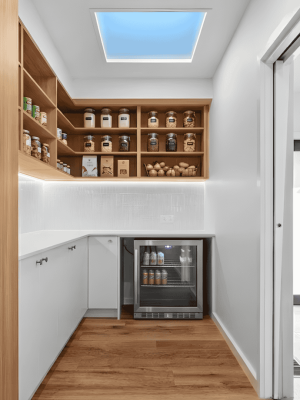
When a real skylight isn’t possible
An LED skylight works best when the constraint is absolute:
A second storey sits above the room
The ceiling cavity is packed with services
The room is in the centre of the floorplan
You want the visual comfort of a skylight effect without roof works
The important distinction is quality. A basic panel light won’t create the same experience. It may brighten the room, but it often reads like office lighting. A purpose-designed LED skylight aims for something different. It creates a framed ceiling light source that feels more architectural and more believable in a residential setting.
Why AuraGlow stands out in Brisbane homes
The AuraGlow LED skylight is a particularly strong option when you want the feel of a skylight in a space that can’t physically receive one. It projects light in a way that resembles a ceiling opening rather than a standard fitting, and it shifts colour tone through the day to mimic the changing sky. That makes it much more convincing than a flat white panel.
For Brisbane homes, this matters. People spend a lot of time indoors during hot, humid periods, and dark internal spaces can feel heavy fast. In that setting, AuraGlow works well in hallways, internal bathrooms, dressing rooms, downstairs retreats, and commercial interiors where roof penetration isn’t practical or desirable. It gives the room a bright, open focal point without introducing direct solar heat through the roof.
The best use of an LED skylight is not to “replace daylight” literally. It’s to remove the visual flatness that makes enclosed rooms feel shut in.
There’s also a design advantage. Because the unit doesn’t rely on roof access, you can position it according to the room’s balance rather than the roof framing above. That freedom is valuable in renovations where the ceiling plan needs to work around joinery, circulation, and symmetry.
If you’re exploring this category, the best starting point is the AuraGlow LED skylight range. It’s a practical answer for the rooms most homeowners assume are beyond saving.
How to Choose Your Skylight Alternative A Decision Checklist
The right alternative to skylight usually becomes obvious when you stop asking “What’s best?” and start asking “What fits this room specifically?” That shift saves people from buying a product that solves the wrong problem.
Some homeowners want maximum daylight. Others mainly want to remove gloom from a specific spot. Some need airflow. Some need a product that works even though there’s another floor above. Those are different briefs, and they lead to different answers.

Start with the room, not the product
Use this shortlist before comparing models:
Check the ceiling location
Is there a direct path to the roof, or is the room trapped under another level?Define the result you want
Do you want real daylight, a brighter ceiling plane, ventilation, or a view out?Look at room size
Small service spaces can suit a tubular solution. Larger living areas usually need more presence.Be honest about installation appetite
Some homeowners are comfortable with a simpler fit-out. Others want a cleaner architectural result and are prepared for more involved work.
Site-first advice: A beautiful product chosen for the wrong ceiling condition will underperform, no matter how good the brochure looks.
Skylight Alternative Comparison
| Feature | Traditional Skylight (Vivid) | Tubular Skylight | Roof Window | LED Skylight (AuraGlow) |
|---|---|---|---|---|
| Best for | Main living areas, kitchens, large bathrooms | Hallways, robes, compact bathrooms | Attics, lofts, raked ceilings | Internal rooms with no roof access |
| Light type | Direct overhead daylight | Diffused daylight | Daylight plus outward view | Simulated skylight-style illumination |
| Ventilation option | Yes, in operable models | No | Yes | No |
| View to sky | Yes | No | Yes | No |
| Roof access required | Yes | Yes | Yes | No direct roof path needed |
| Visual impact | Strong architectural feature | Subtle ceiling diffuser | Strong in loft-style rooms | Clean modern feature for enclosed rooms |
| Best constraint solved | Maximum natural light | Tight roof paths | In-reach roof openings | Impossible roof conditions |
A simple decision path
If the room has a clear roof path and you want the best possible outcome, a traditional skylight remains the first option to assess.
If the room is small and the path is obstructed but still manageable, a tubular skylight is often the neatest compromise.
If the ceiling follows the roofline and the opening will be within reach, choose a roof window.
If the room sits under another storey or the roof route is effectively impossible, an LED skylight becomes the most sensible answer.
For homeowners who want a structured product-selection approach, this guide on how to choose a skylight is useful because it frames the decision around roof type, room purpose, and installation reality rather than just size and price.
Frequently Asked Questions
Is a skylight always better than an alternative?
No. It's better when the room can physically take one and when you want true daylight from above. If the ceiling condition fights that idea, forcing a full skylight can create more cost and complexity than the result justifies.
Are tubular skylights good enough for bathrooms and hallways?
Often, yes. They suit compact rooms where soft, diffused light is enough. They're less convincing in larger spaces where you want a broader wash of light and a stronger visual feature.
When should I choose a roof window instead?
Choose a roof window when the ceiling is pitched and the unit will be within reach. That's common in loft conversions, attic rooms, and upper-storey spaces where opening the unit regularly is part of how the room works.
Is an LED skylight just a fancy ceiling light?
Not if it's designed well. The better LED skylight products are intended to create the impression of a skylight opening, not just add brightness. That's why they suit enclosed rooms where atmosphere matters as much as output.
Is AuraGlow a good option for Brisbane homes?
Yes, especially for internal rooms where a standard skylight can't be installed. It's a strong fit for Brisbane homes with multi-storey layouts, dark corridors, internal bathrooms, and lower-level spaces that need a daylight feel without roof work.
Can skylight products be delivered outside Melbourne?
Yes. Vivid Skylights can deliver skylights nationwide across Australia, which is useful if you're building or renovating outside Melbourne but still want access to double glazed fixed, electric opening, or solar powered units.
Should I install one myself or hire a professional?
That depends on the product and your experience level. Simpler work may suit a capable DIY renovator, but roof penetrations, flashing, weatherproofing, and ceiling finishing need to be handled properly. If there's any doubt, get professional installation advice before ordering.
What about warranty and long-term confidence?
Premium skylight products commonly include a 10-year leak-free warranty, which matters because the main risk in skylights is rarely the idea of the product. It's poor detailing, poor fitment, or choosing the wrong unit for the roof condition.
If you're weighing up the best alternative to skylight for your home, Vivid Skylights is a strong place to start. They supply double glazed fixed and operable skylights, including electric and solar powered opening models, with Australia-wide delivery. And for rooms where a traditional skylight cannot be installed, their AuraGlow LED skylight range offers a smart, design-led solution that works especially well in dark internal spaces and Brisbane homes with challenging layouts.