

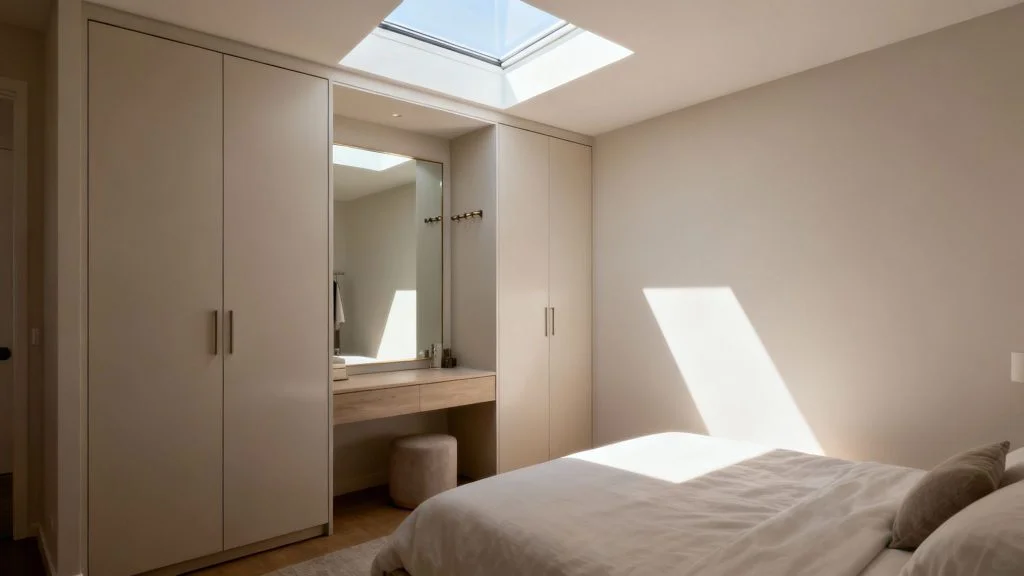
Got a dark, gloomy spot in your Melbourne home that just won’t brighten up? A flat roof skylight might just be the answer. It’s designed to bring daylight into those central parts of your house where traditional windows can’t reach. Think of it less like a standard window and more like a portal to the sky, turning dim, forgotten rooms into vibrant, welcoming spaces.
Bringing Natural Light into Melbourne Homes
From classic terraces in Fitzroy to modern builds in the outer suburbs, one thing every Melbourne homeowner craves is more natural light. It’s a common problem, especially with open-plan layouts and extensions, where the middle of the house ends up starved of sunlight. This is exactly where a flat roof skylight steps in, punching a channel straight through the ceiling for daylight to pour in.
This isn’t just about making a room brighter. It’s about completely changing the feel of a space—making it feel bigger, more open, and connected to the outdoors. The flow-on effects touch everything from your mood to your power bill.
Why Choose a Skylight for a Flat Roof?
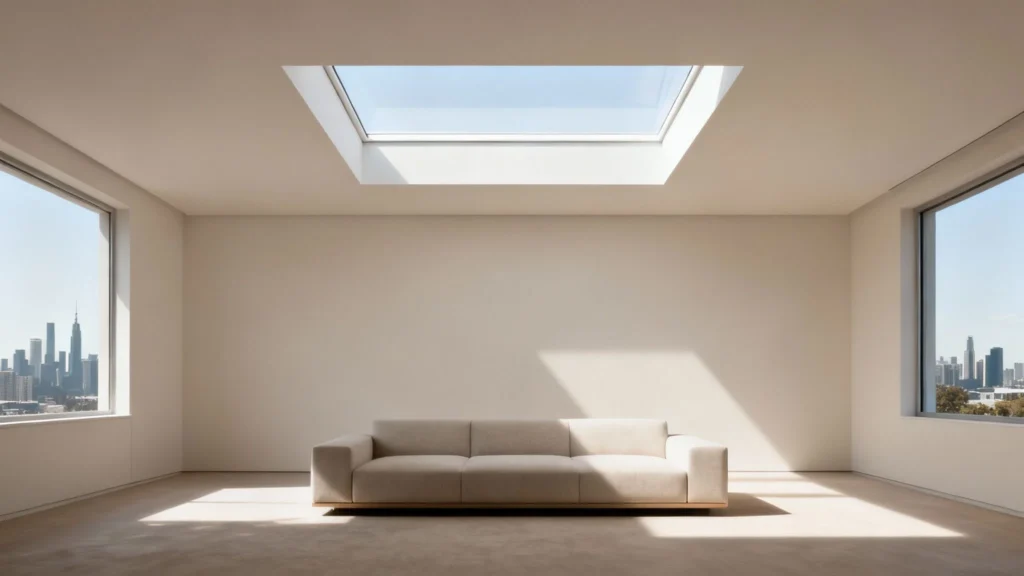
There’s a common myth that skylights are only for steeply angled roofs. Not true. Specially designed flat roof models come with unique features to handle the challenges of a horizontal surface, ensuring they perform beautifully for years to come in any Melbourne property.
Here’s why they’re such a game-changer:
- Feel Better, Live Better: More natural light is directly linked to a better mood, sharper focus, and even improved sleep. It’s a simple way to boost your wellbeing.
- Lower Your Energy Bills: Letting the sun do the work means you can flick the light switch off during the day. Over time, that adds up to real savings on your electricity costs.
- Add Instant Wow-Factor: A well-placed skylight is a striking architectural feature. It becomes a natural focal point, making any room feel more spacious and high-end.
It’s no surprise these installations are becoming more popular across Australia. The demand for energy-efficient homes is driving a steady growth in the market. Depending on the size, features, and how complex the installation is, you can expect the unit price to range from around AUD 720 to AUD 5,000.
Understanding the Core Differences
So, what makes a flat roof skylight different from the one you’d see on a typical pitched roof? While they both let in light, the way they’re built is worlds apart. They have to be, to deal with completely different structural and weather-related challenges.
To get a clearer picture, it helps to see them side-by-side.
Flat Roof vs Pitched Roof Skylights At a Glance
| Feature | Flat Roof Skylight | Pitched Roof Skylight |
|---|---|---|
| Design Shape | Typically a low-profile dome or flat glass unit built on a raised curb or upstand. | Designed to sit flush with the roof tiles or shingles. |
| Water Drainage | Engineered with a slight, built-in pitch or raised curb to prevent water pooling. | Relies on the roof’s natural slope to shed water effectively. |
| Installation | Requires meticulous waterproofing around a built-up curb to create a watertight seal. | Installed with a flashing kit that integrates directly with the roofing material. |
| Weather Resistance | Built to withstand direct rain, hail, and sun exposure without the benefit of a steep angle. | Angled position helps deflect debris and heavy rainfall. |
Essentially, a flat roof skylight isn’t just a window laid on its back; it’s a complete system engineered to manage water, provide top-notch insulation, and integrate flawlessly with a flat roof structure.
Getting your head around these differences is the first step. It ensures you choose a product for your Melbourne home that’s not only beautiful but also properly built to handle the job. If you want to explore the wider world of skylights, you can learn more in our comprehensive guide to skylights.
Choosing the Right Skylight for Your Melbourne Home
A skylight should do more than just punch a hole in the ceiling for light. It needs to work with your home, enhancing its comfort, functionality, and even its look. Choosing the right one means thinking past the simple idea of more daylight and considering how it will handle the real world—especially Melbourne’s famously four-seasons-in-one-day weather.
The first big question to ask yourself is about function: are you after pure, uninterrupted light, or do you want the added bonus of fresh air? Think of it like choosing between a beautiful picture window and one that opens. One is all about the view and the light, while the other brings ventilation into the mix. This single choice will completely change how you use and feel in the space below.
Fixed vs Ventilating Skylights: A Core Decision
A fixed flat roof skylight is the simplest and most popular option. It’s a sealed, stationary unit designed for one job: to let the maximum amount of sunlight pour into a room. For places like hallways, living rooms, or studies where the main goal is to brighten things up, a fixed model is a brilliant, low-maintenance solution.
An electric opening skylight, often called a ventilating skylight, gives you two benefits in one. It doesn’t just flood your space with light; it can also be opened to let fresh air circulate. This is an absolute game-changer for rooms that trap heat and moisture, like kitchens and bathrooms. During Melbourne’s warmer months, an opening skylight lets you release the hot air that naturally rises to the ceiling, making your home far more comfortable and cutting down your reliance on the air-con.
By letting hot air escape through the roof, a ventilating skylight becomes a powerful tool in your home’s passive cooling strategy. This natural convection helps keep your indoor atmosphere cooler and fresher without the running costs of mechanical systems.
When you’re making this decision, think hard about the room’s purpose. For a kitchen, being able to vent cooking smells and steam is priceless. In a bathroom, it’s your best weapon against moisture and mould. Many modern electric models even come with rain sensors that automatically shut the window at the first sign of a downpour—a feature that’s less of a luxury and more of a necessity here in Melbourne.
Key Features That Define a Modern Skylight
Today’s skylights aren’t just simple panes of glass; they’re packed with technology designed for performance, durability, and convenience. These aren’t just fancy add-ons; they are what make a modern skylight a smart, long-term investment for your home. Getting to know them is the key to making the right choice.
Here are the critical features you should be looking for:
- Double Glazing: Honestly, this is non-negotiable for any skylight in Australia. It features two panes of glass separated by a sealed air gap, which acts as a powerful insulator. This helps keep your home warmer in winter and cooler in summer, and it even does a great job of muffling the sound of heavy rain.
- Self-Cleaning Glass: This is a clever bit of tech. A special coating on the outside of the glass uses the sun’s UV rays to break down organic dirt. Then, when it rains, the water sheets off evenly instead of beading, taking all the loosened grime with it. It dramatically cuts down on cleaning and keeps your view of the sky crystal clear.
- Frameless Glazing: A sleek, frameless top pane of glass lets rainwater run right off without pooling. This simple design detail prevents those annoying watermarks and stops debris from building up. It not only works better but also delivers that clean, modern look that suits contemporary Melbourne homes perfectly.
- Integrated Flashing Kits: Flashing is the unsung hero of a leak-proof skylight. It’s a custom-fitted metal shield that creates a weatherproof seal between the skylight and your roof. A quality flat roof skylight will come with an integrated flashing kit made specifically for it, guaranteeing a perfect, watertight fit from day one.
These features all work together to create a high-performance window for your roof. They ensure your skylight is more than just a piece of glass; it’s an efficient, durable, and stylish part of your home. To see how these elements come together in different designs, you can explore the various types of skylights we offer. A well-informed choice now will pay off with years of hassle-free enjoyment.
Smart Placement for Maximum Light and Impact
Picking out the perfect flat roof skylight is only half the job. Deciding where to put it is just as crucial if you want that stunning, light-filled result you’re dreaming of.
Think of it like positioning a speaker in a room. Put it in the right spot, and you get clear, immersive sound. A poor location, however, can make everything sound muffled and distant. The same principle applies to light. Strategic placement ensures you get beautiful, balanced illumination, not just a harsh bright spot on the floor.
So, let’s move beyond guesswork and look at the design principles the pros use. This isn’t about random placement; it’s about understanding how light travels and interacts with your home. Factors like room size, ceiling height, and even the direction your house faces all play a huge part in creating a space that feels both bright and truly comfortable.
Finding the Sweet Spot for Your Skylight
So, how do you get it just right? One of the most effective guidelines for balanced natural light comes from Australian building recommendations.
For optimal results—without creating unwanted glare or too much heat—the sweet spot is a skylight area that’s 3–5% of the room’s total floor area. For larger rooms, you’ll want to space multiple skylights about 1.5 times the floor-to-ceiling height apart. This simple rule helps distribute the light evenly, preventing those harsh hotspots and leaving no dark corners behind. You can dig deeper into these passive design principles to really get the most out of the natural light in your home.
This diagram breaks down the key components that work together in any modern skylight.
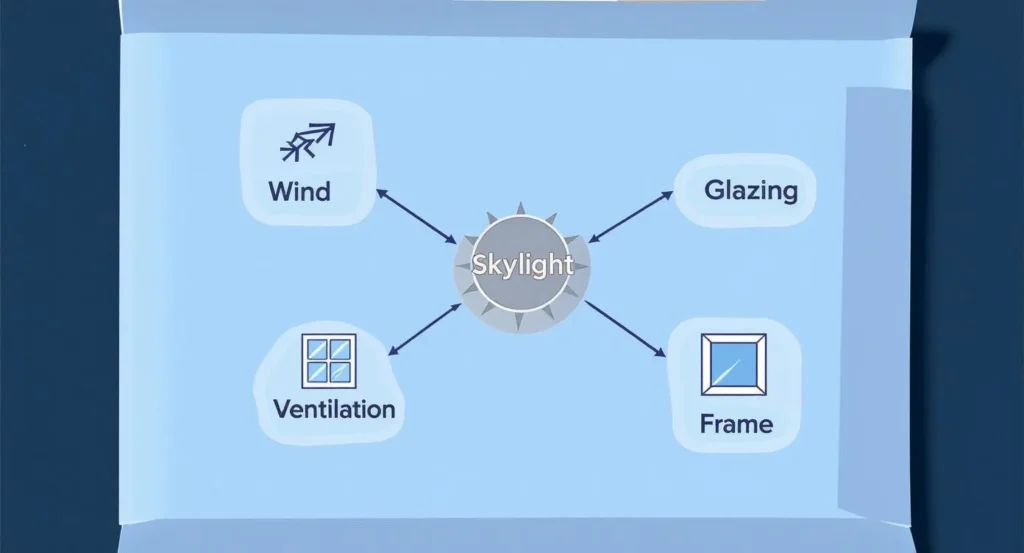
It shows how things like ventilation, glazing, and the frame design are all interconnected, contributing to the skylight’s overall performance and the impact it has on your space.
How Light Shafts Channel Sunlight
When you install a skylight, you’re not just cutting a hole in the roof. You’re actually creating a channel for sunlight to travel through. This channel, known as a light shaft, connects the skylight on your roof to the ceiling of the room below, and its design directly influences how the light enters and spreads.
Think of a light shaft like the lens of a camera, focusing and directing light.
- A straight shaft acts like a spotlight. It delivers a direct, concentrated beam of light, which is ideal for highlighting a specific feature like a kitchen island or a piece of art.
- A flared shaft, which is wider at the ceiling than it is at the roof, disperses the light over a much larger area. This creates a softer, more ambient glow that’s perfect for living rooms or open-plan areas.
Even the interior finish of the shaft matters. A bright white, reflective surface will bounce more light into the room and maximise brightness. A darker colour, on the other hand, will absorb some of that light for a more subdued effect.
By carefully considering the angle and finish of the light shaft, you can precisely control the character of the natural light entering your home—from a dramatic, focused highlight to a gentle, room-filling wash.
High-Impact Placement Ideas for Melbourne Homes
The right placement can turn a good feature into a breathtaking one. Certain areas in a home just benefit more from a direct overhead light source, transforming them from merely functional to truly special. A well-placed flat roof skylight is a fantastic way to solve common lighting problems in many Melbourne homes.
Here are a few high-impact ideas to get you started:
- Over the Kitchen Island: This is a classic for a reason. It floods your main workspace with clear, natural light, making food prep easier and turning the island into a bright, inviting hub for family and friends.
- In a Dark Hallway or Corridor: Long, windowless hallways can feel gloomy and cramped. A skylight, or even a series of smaller ones, can turn a dark passage into a bright, airy, gallery-like space.
- Centred in a Living Room: In a living area, a large skylight can act as a stunning centrepiece, creating a sense of height and openness. It naturally draws the eye upward and connects the room to the sky.
- In the Bathroom: Placing a skylight over a vanity or shower is a brilliant way to introduce natural light while maintaining privacy. Ventilating models are especially useful here for clearing out steam and helping prevent mould.
Navigating the Flat Roof Skylight Installation Process
Getting a flawless installation is the secret to a leak-proof skylight that you’ll enjoy for years to come. The thought of cutting a hole in your roof can feel a bit full-on, but understanding the process gives you the confidence to know what’s happening and have a proper chat with your installer. Think of it as a careful mix of precision carpentry, structural work, and expert weatherproofing.
The journey from a solid roof to a stunning, light-filled feature is more than just dropping a pane of glass in place. It all starts with a proper plan and assessment of your roof’s structure to make sure the spot you’ve picked can safely handle the new addition. From there, it’s all about creating the perfect opening and sealing it against Melbourne’s famously unpredictable weather.
Why Professional Installation Is Non-Negotiable
Look, while plenty of home improvements are great for a weekend DIY project, installing a flat roof skylight isn’t one of them. The risks of getting it wrong—we’re talking leaks, structural damage, and terrible energy performance—are just too high. A professional installer brings years of expertise in roofing, carpentry, and, most importantly, waterproofing.
Especially here in Melbourne, where we can get four seasons in one afternoon, that expertise is absolutely essential. Professionals know the local building codes and Australian Standards inside and out, ensuring your installation is safe, secure, and fully compliant. For bigger projects or new builds, bringing in luxury home builders from the start can make sure your skylight is integrated seamlessly from day one.
The Critical Role of Flashing and Waterproofing
The absolute key to a skylight that never leaks is the flashing. The best way to picture it is as a custom-fitted metal shield that creates an impenetrable barrier between the skylight frame and your roof. It’s carefully shaped and layered to guide every single drop of water away from the opening.
This is then backed up by high-performance waterproofing membranes that are applied around the skylight’s curb—that’s the raised timber frame it sits on. This double-defence system is what gives you long-term protection against water getting in, making it the most crucial part of the whole installation.
A correctly installed flashing and waterproofing system doesn’t just block water; it actively manages it. By creating dedicated channels for runoff, it ensures that even during the heaviest Melbourne storms, your ceiling remains perfectly dry.
Understanding the Structural Work Involved
Putting in a skylight means making a very precise cut in your roof structure, which usually involves cutting through at least one of your roof joists. This is a big deal structurally, so it has to be handled by an expert to keep your roof’s integrity intact.
Here’s a quick rundown of the structural steps:
- Marking and Cutting: First, the installer maps out the exact dimensions from inside the room. Then they carefully cut the opening through the ceiling and the roof deck.
- Reinforcing the Joists: The cut joist is then supported by fitting double-header beams at each end of the opening. This clever trick transfers the structural load to the neighbouring joists that weren’t cut, creating a strong, stable box for the skylight.
- Building the Curb: A timber curb, or upstand, is built around this opening. This raises the skylight up off the roof surface, giving it the height needed for the flashing to do its job and stop water from pooling against the glass.
Every one of these steps has to meet the National Construction Code (NCC) and other local rules. A professional installer guarantees that all the structural work is sound, safe, and built to last, giving you complete peace of mind.
Understanding Energy Efficiency and Building Codes
Modern skylights are so much more than just a window on your roof. They’re high-performance components that have a massive impact on your home’s overall energy efficiency. To make a smart choice, it helps to get your head around a few key terms that measure how well a skylight will perform in Melbourne’s unique climate.
These technical ratings aren’t just industry jargon; they are the language of thermal performance. Getting to grips with them means you can choose a flat roof skylight that keeps your home comfortable all year round—stopping heat from escaping in winter and preventing unwanted heat from sneaking in during summer.
Decoding Key Energy Ratings
When you start comparing skylights, you’ll run into two critical ratings that tell you everything you need to know about insulation and sunlight management: the U-value and the Solar Heat Gain Coefficient (SHGC).
Think of the U-value as a measure of heat loss. The lower the U-value, the better the skylight is at insulating your home and keeping that precious warmth inside on a chilly Melbourne day. A low U-value is a must-have for keeping your heating bills in check.
On the flip side, the Solar Heat Gain Coefficient (SHGC) measures how much of the sun’s heat gets through the glass. A low SHGC is your best friend in summer, as it blocks the intense solar heat from turning your living room into an oven. This takes a huge load off your air conditioning.
Finding the sweet spot between a low U-value for winter warmth and a low SHGC for summer cooling is the key to year-round comfort. High-performance double glazing is what makes this balance possible.
Here in Australia, these metrics are governed by strict standards. Skylights must meet the National Construction Code’s requirements for heat transfer (U-value) and solar heat gain (SHGC). The Window Energy Rating Scheme (WERS) is the official body that monitors these ratings, making sure every product is up to scratch.
Complying with Australian Building Codes
Following building codes isn’t just about ticking boxes; it’s about guaranteeing safety, durability, and performance. In Australia, all building products, including skylights, must meet the standards laid out in the National Construction Code (NCC). This ensures your installation is both structurally sound and energy-efficient.
A quality supplier will always provide products that meet or exceed these codes. This compliance is your assurance that the skylight has been properly tested and is fit for purpose in Australian conditions, giving you complete peace of mind. For a deeper dive into how our products are engineered for efficiency, check out our guide on skylight energy efficiency.
For many homeowners in Melbourne and surrounding areas, fire safety is another critical consideration. The ever-present risk of bushfires means building materials often need to meet very specific criteria for fire resistance.
Bushfire Attack Level (BAL) Ratings
If you live in a designated bushfire-prone area, your building materials have to comply with Australian Standard AS 3959. This standard outlines construction requirements for these zones, measured by a Bushfire Attack Level (BAL) rating. A BAL rating assesses a building’s potential exposure to radiant heat, ember attack, and direct flame contact.
Certain high-performance skylights can be manufactured to meet specific BAL ratings. This usually involves using toughened safety glass and robust framing materials that can withstand extreme conditions. When choosing a flat roof skylight for a property in a bushfire-prone part of Victoria, it’s absolutely essential to confirm its BAL rating with your supplier and installer. This ensures it complies with your local council’s specific requirements.
Budgeting Costs, Warranties, and Long-Term Care
A flat roof skylight is much more than just a purchase; it’s a long-term investment in your home’s comfort, value, and overall feel. Getting a clear picture of the costs, protections, and ongoing care right from the start means you can look forward to years of beautiful, hassle-free natural light. The first step is creating a clear budget.
The total cost is split into two parts: the skylight unit itself and the fee for professional installation. For homeowners here in Melbourne, installation costs can vary quite a bit depending on how complex the job is—think roof accessibility and whether any structural work is needed. It’s always smart to get a detailed quote that breaks down these expenses clearly.
Protecting Your Investment with a Solid Warranty
A strong warranty is your peace of mind that you’ve invested in a quality product built to stand the test of time. When you’re looking at a flat roof skylight, you should be on the lookout for two different guarantees: one from the manufacturer covering the skylight unit, and another from the installer covering their craftsmanship.
At Vivid Skylights, we provide a 10-year leak-free warranty on our units, giving you full confidence in their durability and weatherproofing. This covers the physical product against any defects. Your installer should also offer their own warranty on the installation itself, protecting you from any issues that might pop up from their work.
A comprehensive warranty is a sign of a manufacturer’s confidence in their product. It moves beyond a simple sales promise to a concrete guarantee of performance and longevity, protecting you against the unexpected.
Long-Term Care and Simple Maintenance
One of the best things about modern skylights is just how little maintenance they need, especially those with features like self-cleaning glass. That said, a few simple checks can keep your skylight performing at its best for decades to come.
A little bit of upkeep can make a big difference:
- Regular Cleaning: For skylights with self-cleaning glass, this is rarely an issue. If you ever need to clean the interior pane, a soft cloth and a gentle, non-abrasive cleaner are all it takes to keep the view crystal clear.
- Clearing Debris: After a big storm, it’s a good idea to check that leaves or twigs haven’t gathered around the base of the skylight. This just ensures water can drain away freely as it should.
- Checking for Condensation: While uncommon with high-quality double-glazed units, if you notice persistent condensation on the inside pane, it could point to high humidity in the room. Improving ventilation, particularly in bathrooms or kitchens, is usually the fix.
By understanding the costs, securing a robust warranty, and following these straightforward maintenance tips, you can ensure your flat roof skylight remains a brilliant feature of your Melbourne home for many years to come.
Of course, here is the rewritten section with a more human, natural, and expert tone, following the provided style guide.
Common Questions About Flat Roof Skylights
Even with all the details laid out, you might still have a few lingering questions. That’s perfectly normal. To help you feel completely confident about bringing natural light into your home, we’ve put together answers to the queries we hear most often from Melbourne homeowners.
How Long Does an Installation Usually Take?
Most of the time, we can have a standard skylight installed and sealed within a single day. If your project is a bit more involved—say, it requires some structural work or you’re installing multiple units—it might stretch into a second day. Your installer will always give you a clear, upfront timeline for your specific property before any work kicks off.
Is My Skylight Going to Be Noisy When It Rains?
This is a big one for many people, but you can rest easy. Modern, high-quality skylights are designed specifically to keep the noise down. The double-glazed glass we use is fantastic at dampening sound, turning what could be a loud drumming from a heavy downpour into more of a gentle, ambient hum. It keeps your space peaceful.
A well-insulated, double-glazed flat roof skylight is engineered for acoustic comfort. The air gap between the glass panes acts as a buffer, disrupting sound waves and ensuring Melbourne’s notorious downpours don’t disturb your peace and quiet.
Do Skylights Actually Add Value to a Home?
They absolutely do. A beautifully placed skylight is a feature that buyers love, and it can genuinely increase your property’s market value. It makes rooms feel brighter, bigger, and more inviting, which is a huge selling point. Plus, the less you rely on artificial lights, the more you save on energy bills—another attractive perk for any potential buyer.
Can I Install a Skylight on Any Flat Roof?
For the most part, yes. Most flat or low-pitch roofs are perfect candidates for a skylight. The crucial first step, however, is having a professional assess the roof. They’ll check its structural integrity, the condition of the roofing material, and look for any hidden surprises like pipes or wiring. This quick inspection makes sure the installation will be safe, secure, and last for years to come.
Ready to transform your home with beautiful, natural light? Vivid Skylights offers premium, double-glazed skylights designed for Melbourne homes. Explore our range and get a fast, accurate quote today at https://vividskylights.com.au.