

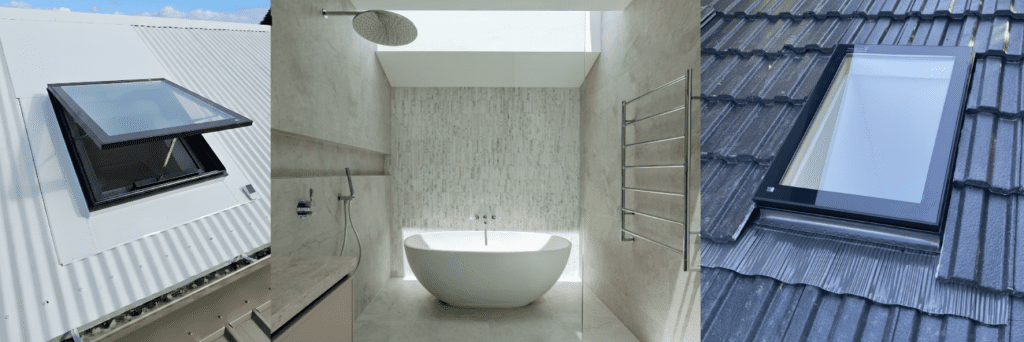
For most standard skylight installations in Brisbane, a formal council development application isn’t required because they’re usually treated as minor building work. The exceptions are where homeowners get caught out: character or heritage overlays, major roof structure changes, and sites with extra safety constraints.
That’s the usual moment people start second-guessing the whole idea. You’ve got a dark hallway, a gloomy kitchen, or a Queenslander that would come alive with daylight, then someone mentions council rules and suddenly the project sounds harder than it is.
In practice, brisbane city council skylight regulations are manageable when you separate the simple jobs from the ones that need more care. If your home sits in a suburb with character controls, or you’re planning a larger opening that affects the roof frame, the approval path changes. If not, it’s often far more straightforward than homeowners expect.
The essential strategy is knowing which bucket your project falls into before anyone cuts into the roof.
Table of Contents
Do I Need Council Approval for a Skylight in Brisbane
If you own a standard house in Brisbane and want to add a skylight over a kitchen, hallway or bathroom, the answer is often no. Many homeowners are relieved to learn that a skylight can be treated as minor building work rather than a full planning event.
That’s especially true where the installer can work within the existing roof framing and keep the external change modest. A typical retrofit on a non-heritage home is a very different proposition from cutting a dramatic opening into the front roof plane of a character house in Paddington or Ascot.
The question homeowners are really asking
Homeowners typically aren’t wondering if a skylight is legal. They are concerned with whether the project will escalate into a complicated council matter.
That’s a fair concern, because Brisbane has plenty of older homes, visible roof forms and neighbourhood character controls. A skylight on a rear roof slope of a modern home usually raises fewer issues than one on a prominent roof face of a Queenslander.
A skylight project is easiest when the planning rules, the roof structure, and the product size all line up from day one.
If you’re still at the early stage, it helps to start with an installer who understands the approval side as well as the waterproofing side. A practical overview of skylight installation in Brisbane is a good starting point before you commit to a size or location.
Where people go wrong
The common mistake is assuming every skylight is either fully exempt or automatically needs council approval. Neither is right.
A homeowner in a standard suburban house may have a simple path. A homeowner doing character home renovations Brisbane style on a traditional house may need to think carefully about visibility from the street, roof alterations and whether council pre-approval applies.
That difference matters more than almost anything else in this process.
The General Rule When Skylights Are Exempt
Most residential skylight retrofits in Brisbane follow the simpler pathway. In non-heritage zones, 85-90% of residential skylight retrofits qualify as minor building work, don’t require a formal DA, and can move from 20-40 business days to 5-10 days via a private certifier according to Vivid’s Brisbane skylight approval overview.
What minor building work means in real life
In plain English, the exemption usually works when the skylight can be installed without cutting into major roof trusses or altering primary structural elements. That’s the dividing line that matters most on ordinary homes.
If the roof framing stays largely intact, the approval path is lighter. If the job needs major structural intervention, the paperwork and certification step up quickly.
Here’s the practical version:
Simple retrofit: The skylight fits between existing framing, the roof opening is controlled, and the roof still performs as designed.
More complex job: The opening pushes into major structural members, the truss layout no longer works as-is, or the roof needs engineering input before anyone proceeds.
Best practice on sizing: The same Vivid source notes that choosing skylights under 950mm in width is a common way to fit standard truss spacing more easily in Brisbane homes.
That’s why size selection isn’t just about aesthetics or daylight. It’s often the difference between a clean install and a much more involved approval process.
Why size and placement matter early
Homeowners often choose a skylight by looking at the room below. Builders and certifiers start by looking at the roof above.
If the roof frame gives you a clean bay to work within, the project stays efficient. If the chosen unit forces structural changes, it can move from straightforward to expensive very quickly.
Practical rule: Choose the location from the roof first, then confirm it still delivers the light you want inside.
Checking approvals before ordering a custom size provides significant benefits. A quick review of building permit requirements for skylights helps frame that conversation properly.
A well-planned installation usually has three things going for it:
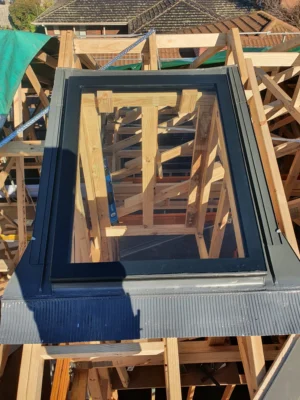
A roof opening that respects the existing structure
A skylight size that suits common truss spacing
An external appearance that doesn’t trigger planning concerns
When those three align, the process tends to stay calm.
Navigating Exceptions for Character Homes and Overlays
Residents of Paddington, Ascot, New Farm, or other historic suburbs must exercise significant caution. Properties in heritage-listed or neighbourhood character precincts require council pre-approval for external modifications, affecting roughly 5-10% of homes in older suburbs under City Plan 2014, as noted in this Brisbane skylight guide for heritage and character areas.
That single point changes the tone of the project. A skylight may still be possible, but the question becomes less about daylight and more about how the change presents to the street and the broader character of the building.
What council is protecting
On older Brisbane homes, council’s concern is usually the visible form of the house. Traditional roof lines, front elevations and streetscape consistency matter far more in these precincts than they do on a newer suburban home.
For a Queenslander, the roof isn’t just a weather barrier. It’s part of the character of the place. That’s why the location of a skylight matters so much.
A skylight tucked away on a rear roof plane is often easier to justify than one sitting on a front-facing roof surface that changes the home’s public presentation.
What tends to work and what usually doesn’t
What works is restraint. What causes trouble is a skylight that announces itself.
In practical terms, these choices usually help:
Rear placement: A skylight positioned away from the main street view is often easier to support.
Low-profile detailing: Units that sit neatly into the roof and avoid bulky presentation tend to be better received.
Careful finish selection: Non-reflective, visually quiet materials usually sit better on older homes.
Early overlay check: Before design decisions harden, confirm whether the property has heritage or character controls.
What usually doesn’t work is treating a character house like a blank canvas. A large unit on the front roof slope may technically bring in light, but it can also create a planning problem that was avoidable with better placement.
On character homes, the best skylight is often the one you barely notice from the street.
There’s another layer to watch in some locations: fire-related compliance. If you’re in an outer suburb with bushfire constraints, the product choice may need to satisfy specific requirements as well. That’s worth reviewing alongside BAL 29 skylight requirements before locking anything in.
For character home renovations Brisbane homeowners, the safest approach is simple. Check the overlay first, then design the skylight around the house, not the other way around.
When a Building Certifier or DA is Unavoidable
Some skylight jobs stop being a simple roofing alteration and become a formal approval exercise. When that happens, the key is knowing whether you need a private building certifier, a council development application, or both.

Private certifier versus council DA
A private certifier deals with building code compliance. That means structure, safety glazing, roof construction, waterproofing and whether the work satisfies the National Construction Code.
A council DA deals with planning compliance. That usually comes into play where overlays, streetscape impact, heritage concerns or other planning controls apply.
They’re different roles. Homeowners often blur them together, but they solve different problems.
If you’ve never dealt with building approvals before, a plain-language resource like the Northpoint Construction guide to occupancy permits helps explain how certification fits into the broader approval picture after building work is assessed and completed.
The approval triggers that change the job
Some triggers are common enough that I tell homeowners to check them before they even compare skylight models.
Structural impact
If the planned opening alters major roof members, you’re no longer in simple retrofit territory. Once the structure changes materially, expect certifier involvement and possibly engineering input.
Bushfire-prone location
Brisbane outer suburbs cover about 30% of residential zones that may be bushfire-prone and require skylights to meet BAL ratings, according to the cited regulatory summary on bushfire and skylight safety. That doesn’t mean every outer-suburban property has the same obligation, but it does mean the site classification matters before product selection.
High skylight position
The same source states that the NCC requires laminated glass for any skylight installed more than 3 metres above the floor. In homes with pitched roofs, that’s a common issue, not a niche one.
External light spill concerns
If adjacent lighting associated with the installation creates nuisance beyond the property boundary, compliance questions can arise under lighting controls. It may not be the first issue that comes to mind, but it does matter on some projects.
Body corporate or shared building control
In a townhouse or apartment context, private approvals can sit alongside body corporate rules. Even where the building work itself is viable, owner approvals can slow things down.
If the roof structure changes, or the planning context is sensitive, get the certifier and planning advice before you finalise the skylight, not after.
Your Practical Compliance Checklist
The smoothest projects don’t start with a catalogue. They start with a property check.
If you want a reliable path through brisbane city council skylight regulations, use the checklist below before you buy anything or book an installer. It will save you from the two mistakes I see most often: choosing the wrong location, and choosing the right skylight for the wrong roof.
Brisbane Skylight Pre-Installation Checklist
| Check | Action Required | Likely Outcome |
|---|---|---|
| Property overlays | Review council mapping or ask your designer/certifier whether the home is in a heritage or neighbourhood character area | You’ll know whether planning approval is likely to be part of the job |
| Roof structure | Confirm whether the skylight can fit without major truss alteration | Minor work may stay on the simpler approval pathway |
| Bushfire constraints | Check whether the property is in a bushfire-prone area and whether BAL-related product selection applies | Product specification can be set correctly from the start |
| Internal ceiling height and position | Confirm whether the skylight will sit high enough to trigger safety glazing requirements | Glass type can be specified correctly before ordering |
| Strata or shared ownership | Ask the body corporate or manager what approvals are needed | Delays are less likely late in the process |
| Product suitability | Match the skylight type to the roof type, room use and install conditions | The installation is more likely to perform well and remain compliant |
A useful outside perspective on product and planning considerations is this guide to skylight installation requirements and options. It’s worth reading because it brings the practical install questions back into focus.
A simple order of operations
Most homeowners do better when they treat the process in this order:
Check the property first
Don’t assume your neighbour’s approval path applies to your house. Character overlays and site constraints are property-specific.Check the roof second
The best room for light isn’t always the easiest part of the roof to use. Structure decides a lot.Choose the skylight third
By this point, you’ll know whether you need a low-profile unit, a BAL-suitable specification, a fixed model, or an operable one.Get installation and certification aligned
The installer, certifier and product details should all tell the same story.
If you’re comparing options, start with a practical review of the installation of a skylight so the sequencing makes sense before trades are booked.
A homeowner who follows that order usually avoids last-minute redesigns. A homeowner who skips straight to product selection often ends up reworking the plan.
Meeting NCC Safety and Performance Standards
Council approval is only one half of the story. The other half is whether the skylight meets the building rules that keep the roof safe, weather-tight and durable over time.
The standards that matter on site
From a compliance point of view, I look for four things.
Safe glazing: The glass has to be suitable for its location and height.
Weatherproofing: Flashings, seals and roof integration have to keep water out through real Brisbane rain, not just under showroom conditions.
 Structural adequacy: The roof opening must be framed properly so the surrounding roof still does its job.
Fit for roof type: A tiled roof, metal roof and low-pitch section don’t all behave the same way.
Good skylight compliance isn’t paperwork for its own sake. It’s what stops a bright room turning into a leak claim.
Why product quality matters for compliance
Inexpensive units often disappoint. A skylight might look acceptable in photos but still create problems if the frame, glazing, flashing design or opening mechanism isn’t suited to the roof.
For operable units, ventilation performance and weather response matter as much as daylight. For fixed units, the emphasis is usually on glass quality, frame durability and how cleanly the flashing integrates with the roof covering.
If you’re comparing skylights as part of a broader ventilation plan, it helps to understand roof ventilation requirements in Australia so the skylight is doing the job you expect it to do.
The right unit should satisfy the code, suit the roof, and keep performing after the novelty wears off. That’s the standard worth aiming for.
Brisbane Skylight Regulations FAQ
Do townhouses and apartments have extra approval steps
Yes. In unit complexes, body corporate approval often comes before the building side can move ahead. Even if the skylight itself is technically suitable, the roof is commonly treated as shared property, so owner approval processes matter.
What does a private certifier actually do
A private certifier checks whether the proposed work meets the building rules. That includes items like structure, safety glazing and code compliance. They are not the same as council planners dealing with overlays or heritage controls.
Can I install a skylight if my roof layout makes a traditional unit difficult
Sometimes yes, and sometimes a conventional roof penetration isn’t the best answer. Where roof framing, room position or building form makes a standard skylight impractical, an artificial daylight-style solution can be a smart alternative.
That’s where AuraGlow LED skylights can make sense. They’re useful for spaces where a traditional skylight can’t be installed, while still giving the visual effect of a skylight and a changing sky-like light quality through the day.
Are fixed or opening skylights better for Brisbane homes
It depends on the room. Fixed units suit spaces that mainly need daylight. Operable skylights are better where heat, airflow and moisture control matter, such as bathrooms, upper-storey voids and stuffy living areas.
If you want a skylight solution that’s built for compliance, performance and clean design, take a look at Vivid Skylights. They supply double glazed fixed and operable skylights, including electric and solar powered opening models, and deliver nationwide across Australia. For spaces where a traditional roof opening isn’t practical, their AuraGlow LED skylight range offers a stylish alternative that recreates the feel of natural skylight above.